
Why the SAFE Drugs Act Matters for Americans’ Health
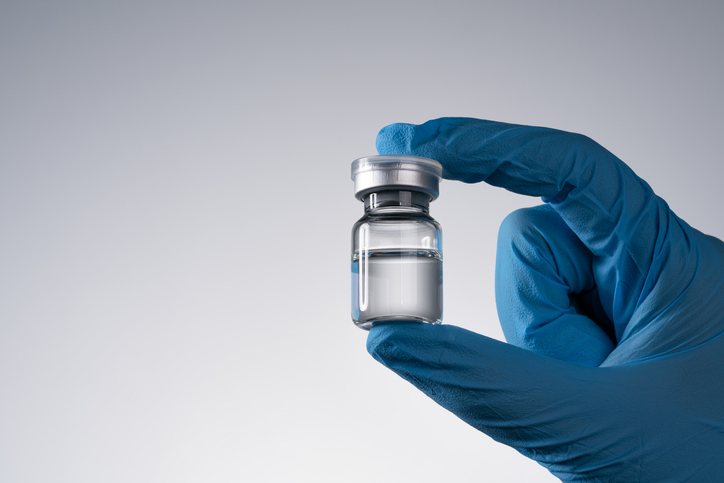
Even though compounded versions of semaglutide and tirzepatide are no longer permissible under law, now that a temporary shortage of the real medicines has ended, these dangerous and unregulated drugs remain widely available, according to a new investigation published in JAMA Health Forum.
What’s going on: For three months in 2026, researchers sent secret shoppers to weight-loss clinics and medical spas in Oklahoma and West Virginia that offered GLP-1 receptor agonist products.
- Out of 75 clinics and medical spas, well over half offered compounded products. The study identified 23 compounding facilities as suppliers, of which four were “not licensed to perform sterile compounding.”
- Since 2023, one of those 23 facilities received several warnings from the Food and Drug Administration, while another three “had been subject to state-level disciplinary action.”
The background: When demand for GLP-1s outstripped supply in the early 2020s, the FDA placed these medications on its drug shortage list. Starting in 2022, compounding pharmacies could temporarily produce compounded versions.
- However, that shortage was declared over in May 2025, and the prohibition against compounded copies went back into force.
The conclusion: This new study shows that the market for compounded drugs remains “remarkably robust, raising important questions about how these products are regulated and how patients can know whether they’re receiving medications that meet appropriate quality standards,” said lead researcher Michael DiStefano, of the University of Colorado Anschutz Skaggs School of Pharmacy and Pharmaceutical Sciences.
The policy fix: The NAM has championed legislation to rein in compounding pharmacies and protect Americans’ health: the SAFE Drugs Act, which advanced out of the Senate Health, Education, Labor and Pensions Committee last week.
- The bill “would crack down on compounding issues by giving the FDA more authority over … facilities [where compound drugs are made]. The bill would require compounding manufacturers to report activity to the FDA, mandate inspections and set a limit on how many ‘copies’ of a drug can be produced each month” (Bloomberg, subscription).
The last word: “Manufacturers were glad to see the HELP Committee advance the SAFE Drugs Act, a bill the NAM supported. This is an important step toward protecting patients from potentially unsafe, non-FDA-approved drugs produced by underregulated compounding pharmacies. Congress should move quickly,” said NAM Managing Vice President of Policy Charles Crain.
