Nucor CEO: Mental Health Belongs at the Center of Safety Culture
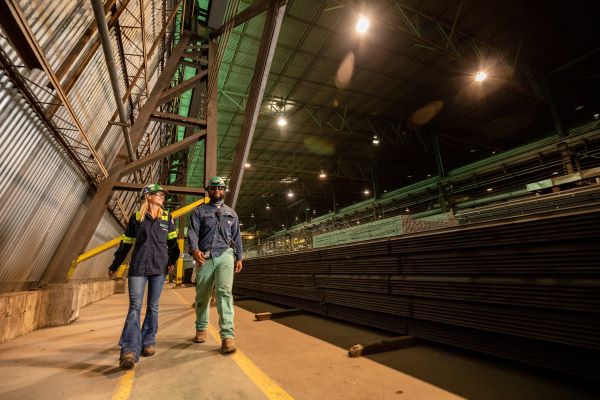
For Nucor, North America’s largest steel manufacturer, mental health awareness isn’t something that takes place occasionally. It’s an essential part of the company’s safety program.
What’s going on: “At Nucor, safety is our number one value. Mental health isn’t a separate program off to the side; it’s a core part of our safety program,” company Chair, President and CEO and NAM board member Leon Topalian said in a recent written interview with the NAM.
- “You can’t leave a worry about a sick child or a parent at the gate. If a teammate is distracted or carrying something heavy, that’s a safety risk, same as crossing a red line or not wearing the proper [personal protective equipment]. Keeping our team safe means having leaders who notice when a teammate is struggling and aren’t afraid to pull them off the floor for the day to protect them,” he explained.
- As part of that holistic approach to employee health, Nucor has implemented multiple initiatives, including mental health first-aid training, a safety leadership program, a 24/7 employee assistance program and peer support networks.
- And in 2026, for the first time in the company’s history, Nucor observed Mental Health Awareness Month in May, dedicating the month “to speaking openly to our teammates about emotional, physical and financial well-being,” Topalian said.
Why it’s important: Nucor has set the goal of becoming the world’s safest steel company—and teammate well-being is fundamental to achieving that goal.
- “Our challenge to become the world’s safest steel company doesn’t work if we’re only thinking about physical hazard,” Topalian told the NAM.
- “A teammate in good mental health is more engaged, communicates better, makes better decisions and is far more likely to catch a safety concern before it becomes an incident.”
How they’re doing it: In addition to its mental health programs, the North Carolina–based steel producer trains teammates in recognizing when someone might need support, Topalian continued.
- “We train leaders to watch for warning signs, like withdrawing from coworkers or activities they normally enjoyed; changes in mood, behavior or performance; increased irritability or stress; trouble concentrating or making decisions; and expressions of hopelessness or emotional distress.”
Complementary, not competing: Nucor views productivity and teammate well-being as two sides of the same coin—and that approach is paying off.
- “When we invest in mental health, here’s what we see: Safety performance improves, engagement goes up, teamwork and communication get stronger, absenteeism and burnout go down, our people stay connected, and they stay productive.”
The last word: “Keeping our teammates safe means seeing the whole person, not just the job in front of them,” concluded Topalian. “We’re building a culture where every teammate knows it’s okay to ask for help and where every one of our people goes home safe: physically, mentally and emotionally.”