Trump, Xi Extend Trade Truce
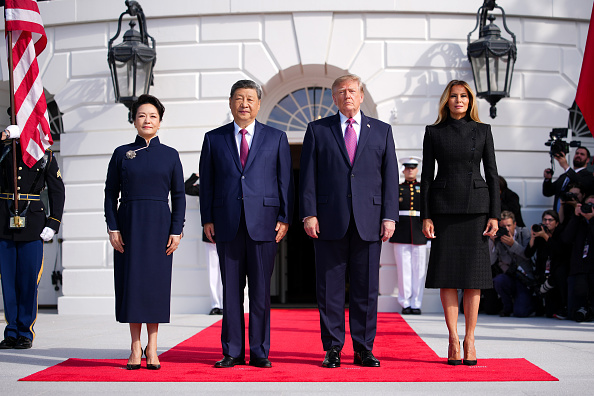
During Chinese President Xi Jingping’s state visit to Washington, the U.S. and China agreed to a two-month extension of their trade truce (The Wall Street Journal, subscription). The new expiration date is Jan. 10, giving the two countries more time to work toward a broader deal.
The background: Under the truce, the U.S. paused implementation of several measures, including port fees on Chinese-produced ships under Section 301 and the BIS affiliates rule, while China agreed to grant licenses for exports of Chinese rare earth elements.
NAM in action: The NAM urged the U.S. Trade Representative last year not to impose port fees and to focus instead on strengthening U.S. domestic shipping and shipbuilding.
- Due to the dearth of U.S.-built ships, “[USTR’s] approach would effectively impose the minimum fee on nearly 100% of cargo vessels making calls on U.S. ports, adding an estimated $600 to $800 for each 20-foot equivalent container unit,” the NAM said. “Shippers likely would pass the entirety of this cost through to their business customers, in many cases further raising the cost of manufacturing in the U.S.”
- The NAM also warned that ocean carriers would limit the number of ports they serve, particularly smaller ports, reducing manufacturers’ shipping options and increasing congestion at major ports.
- This week, the NAM and many of its industry and association partners reinforced that message, warning the USTR that port fees would not help rebuild the U.S. shipbuilding industry but instead add costs and logistical burdens to the transportation system (POLITICO’s Morning Trade, subscription).
Board of trade: Last weekend, USTR Jamieson Greer met with his Chinese counterparts in New York to work toward “operationalizing” the U.S.–China Board of Trade, discussing issues such as representation, the schedule of meetings and mechanisms to track progress.
- Greer told CNBC that the two countries have reached an agreement that would allow some tariff relief for certain nonsensitive goods, adding that more details about the board would be released on Monday, Sept. 28.
Related: Treasury Secretary Scott Bessent proposed a new AI safety agreement during talks with Chinese Vice Premier He Lifeng that would set up a notification system for AI-related national security threats (Reuters, subscription).