NAM, Partners Oppose Diesel Ban
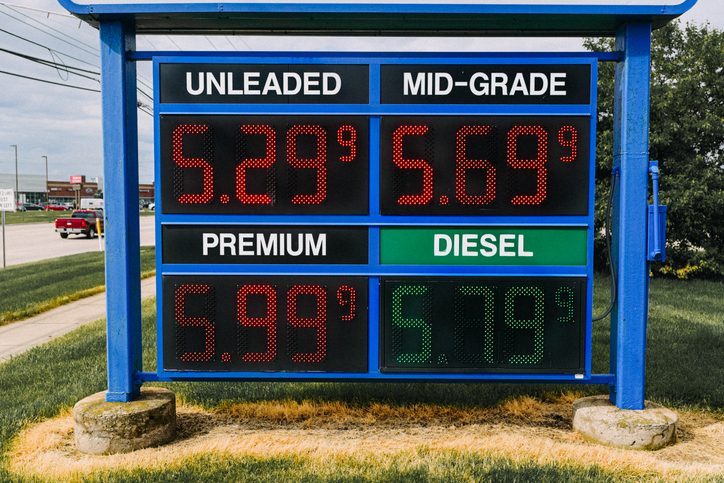
The NAM and more than 30 business, energy and manufacturing groups are urging President Trump to reject calls to ban or limit diesel exports after the president backed the idea earlier this week. Export restrictions would lead to reduced production, tighter supplies and higher costs for American families, truckers and farmers, the associations said.
The data: “With 10% of global refining capacity offline, U.S. refiners are running at full capacity to supply the U.S. and to help stabilize global fuel markets,” the associations continued.
- “The U.S. produces more diesel than it consumes, allowing us to meet domestic demand and to supply our allies in Latin America and Europe. U.S. crude oil exports have likewise helped keep refineries running in other parts of the world as disruptions occurred through the Strait of Hormuz.”
Risking higher costs: A ban would force U.S. refineries to reduce production and prompt retaliatory actions from other countries, ultimately driving up prices for Americans, the associations warned.
- “Exports allow U.S. refineries to balance their systems and maximize production,” the associations explained. If refineries cut back on utilization to meet only domestic demand, they will also produce less gasoline and jet fuel, potentially raising prices for those products as well.
- “This could not come at a worse time for consumers as home heating oil season is about to begin,” the associations emphasized.
Reducing U.S. dominance: If the U.S. reduces its energy production, it will reduce its global preeminence as well, the associations warned. U.S. influence relies in part on its role as a global energy supplier—and if it pulls back, its competitors and adversaries will fill the gap.
The bottom line: “The U.S. energy industry is the largest and most efficient in the world and an indispensable economic and national security asset. We urge you to help maintain this advantage and to reject calls to ban the export of our products,” the associations concluded.
NAM in the news: The associations’ message received widespread press coverage, including from CNBC, Axios, The Washington Sun (subscription), Washington Examiner, NBC and The Hill.