
Autonomous Trucks Get Federal, State Boost
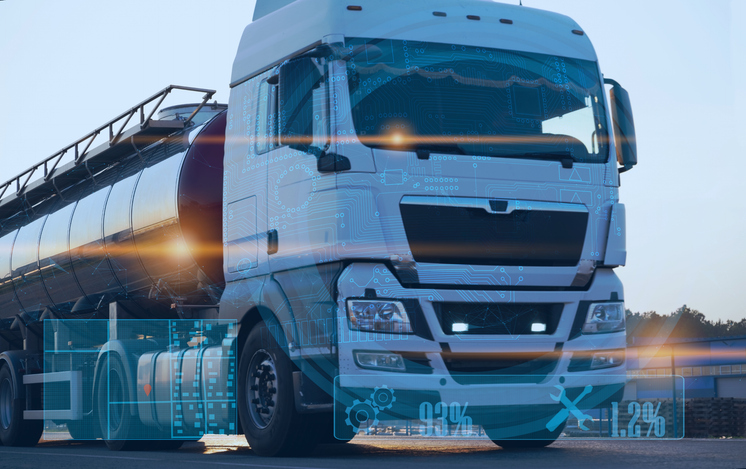
Autonomous trucks are getting renewed attention from federal and state policymakers, with promising implications for manufacturing supply chains.
Federal support: The BUILD America 250 Act—the surface transportation bill championed by the NAM—would spur the creation of the first-ever national regulatory framework for autonomous trucks (Trucking Dive). The guidelines, which are to be drawn up within six months to two years following the legislation’s passage, include:
- Safety standards for interstate commerce of AVs created by the Secretary of Transportation;
- Safety standards created by autonomous truck manufacturers that include their own safety cases, proving that their trucks are at least as safe as those driven by a human commercial driver;
- Cybersecurity policies for the technology;
- Crash reporting requirements; and
- Rules for how many autonomous trucks a single human dispatcher can monitor at the same time.
State deployment: Meanwhile, out West, the California Department of Motor Vehicles has cleared the way for testing of autonomous trucks on state roads (ABC). The state removed its previous ban on heavy-duty autonomous vehicles, mandating that manufacturers conduct tests before they can qualify for commercial transportation of freight.
- California follows several other states in the South, West and Midwest, including Texas, Arizona and Michigan, which already allow autonomous trucks to transport freight on their roads without a driver in the cab (Trucking Dive).
- “[California] manufacturers must complete 500,000 miles for heavy-duty trucks during two separate phases for a total of 1 million miles and prepare a structured safety case demonstrating the safety of vehicle hardware, software and operations, the state said in the announcement and in a report.”
The NAM says: “Manufacturers support a clear and consistent federal framework for autonomous commercial vehicles,” said NAM Director of Transportation and Infrastructure Policy Kirbie Ferrell. “Providing regulatory certainty for emerging technologies can encourage innovation, strengthen supply chains and improve the efficient movement of goods across the national freight network.”
