OECD: Critical Minerals Supply Chains Need More Transparency to Be Resilient
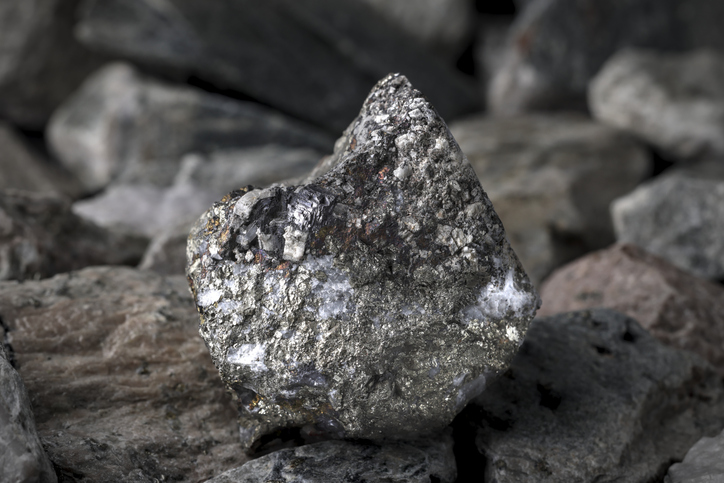
Improving the resilience of global critical minerals supply chains—which provide key inputs for everything from cars and batteries to medical devices—requires better information about who produces these minerals, how they are produced and how they move and evolve throughout the value chain.
According to a new report from the Organization for Economic Cooperation and Development, “traceability” must be a top priority for international policymakers, giving them the data needed to support “trusted and responsible producers,” reduce “operational and governance risks” and diversify sources.
The state of play: According to the report, “Current traceability systems remain fragmented,” divided among various state and industry initiatives, with the private sector often developing proprietary tools.
- “Uptake is strongest among traders, who report the highest implementation rates, and weakest among miners.” In a survey of 90 companies across mineral value chains, over 60% of respondents identify brand reputation or customer demand as primary drivers, with regulatory compliance a close second.
- Meanwhile, respondents cited high costs, the lack of interoperability, an absence of regulatory consistency, confidentiality concerns and data infrastructure limitations as barriers to traceability.
- However, industry adoption of traceability efforts is on the rise, with nearly 75% of respondents planning to increase investments in traceability.
What to do: The report contains recommendations for government policymakers in the near, middle and long term.
- Near term: Make better use of existing resources, including trade data, supplier mapping and existing audit programs, while embedding transparency and standards within bilateral mineral agreements and development financing.
- Medium term: Collect more data through deepened engagement with traders, exchanges and smelters, along with strengthened beneficial ownership transparency and independent mineral testing.
- Long term: Strengthen international cooperation, including by adopting interoperable data platforms and creating “digital product passports” for products such as batteries.
The NAM at work: The NAM has led the charge for improved critical minerals policies at both the domestic and international levels, releasing a critical minerals agenda for policymakers earlier this year that calls for greater cooperation with allies, the diversification of sources and the adherence to OECD guidelines for transparency and sustainability.
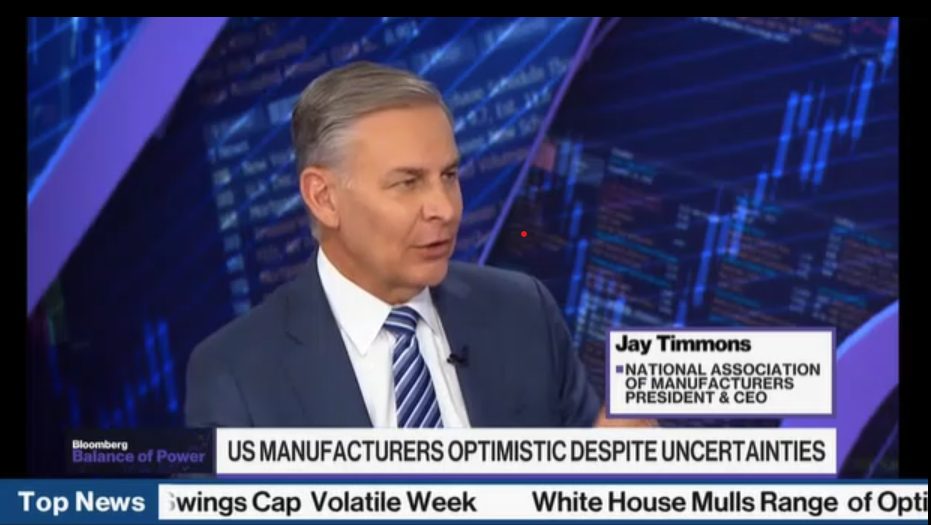
- NAM President and CEO Jay Timmons met with OECD Secretary General Mathias Cormann in September to discuss securing critical minerals supply chains, among other key manufacturing priorities.
- “We’re excited to continue working with the OECD to ensure manufacturers maintain strong relationships with our trading partners,” Timmons said after the event.