USTR Announces Proposed Tariff Reductions on U.S.–China Trade
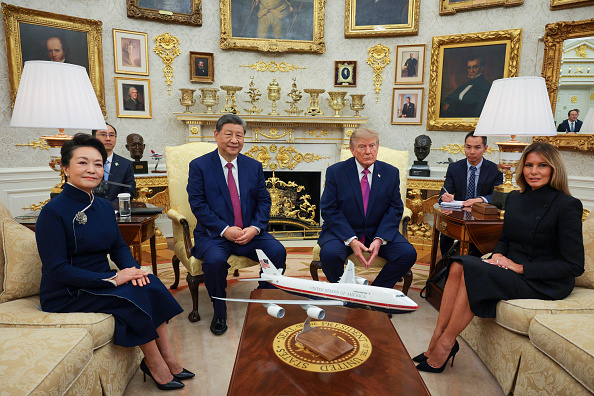
Following Chinese President Xi Jinping’s state visit to Washington, D.C., last week, the White House released a fact sheet outlining announced outcomes along with details of the Board of Trade.
“30-for-30” product lists: The U.S. and China have released product lists with HTS codes covering roughly $30 billion each (based on 2024 trade values) of U.S. and Chinese imports being considered for tariff reductions.
- U.S. list: The U.S. list consists of nearly 80 tariff lines mainly focused on consumer goods, including certain textiles, toys, decorations and sporting goods.
- China list: The China list encompasses some 1,600 tariff lines and includes livestock, agricultural and seafood products, wood products, select machinery and medical appliances.
No rates, no dates: Importantly, the lists were published without associated tariff rates and or target implementation dates. Reportedly, some 90% could revert to most-favored-nation rates while around 10% will initially retain a China Section 301 tariff.
Board of Trade: The White House also released “Terms of Reference” and “Working Procedures” to stand up the U.S.–China Board of Trade.
- Treasury Secretary Scott Bessent and U.S. Trade Representative Jamieson Greer will serve as the Board’s principals with Chinese Vice Premier He Lifeng as their counterpart.
- Deputies will meet at least quarterly to further develop the lists, monitor progress and propose recommendations for potential future tariff reductions on an annual basis.
- Working groups, including on agriculture, may be established to “optimize” bilateral trade.
Other outcomes: Beyond the tariff reduction lists, the official fact sheet also notes progress to address Chinese shipments of fentanyl precursors to North America, establishment of the Board of Investment (no details provided), commitments by China to purchase U.S. coal and continued work “on U.S. concerns regarding supply chain shortages to rare earths and other critical minerals.”