NAM, Allies Outline Principles for Responsible Risk Management
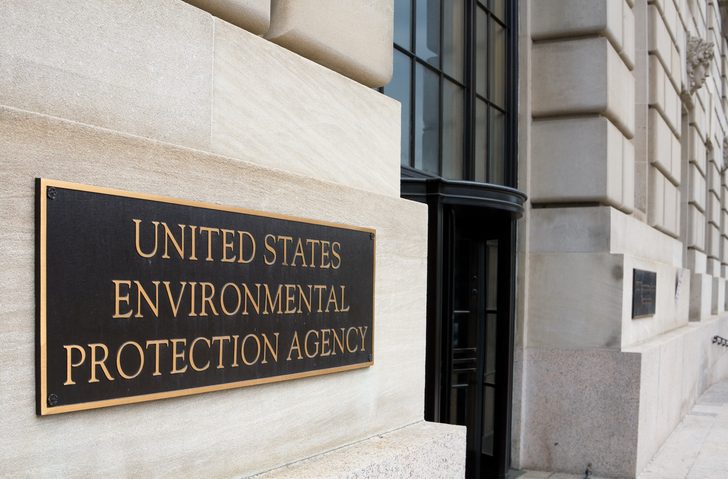
As the Environmental Protection Agency considers future regulations under the Toxic Substances Control Act, it must keep certain principles in mind to support advanced manufacturing, infrastructure, energy and many other sectors, the NAM and more than 100 partners told the agency.
Industry advice: Organized under the American Alliance for Innovation, the NAM and other associations laid out guidelines for considering risk management under TSCA to support approaches that are “transparent, predictable, science-based and appropriately tailored to identified unreasonable risks.”
The principles: The five principles outline a commonsense approach that will provide industries with certainty and remove duplicative regulatory requirements.
- Apply a transparent and consistent framework: This framework should have clear definitions and requirements, strong coordination with other federal agencies, include stakeholder input, formulate clear procedures and require transparent documentation of decision-making.
- Regulate only to the extent necessary: Requirements should apply only to conditions of use that pose unreasonable risks, prescribe responses proportionate to the risk and take a tiered approach to risk management.
- Base decisions on the weight of the evidence and best available science: Risk management decisions must rely on the best available science and weight of evidence, accounting for varying confidence levels and limitations and incorporating new scientific information as available. Regulations must take a robust approach to finding technically and economically feasible alternatives.
- Develop targeted, flexible and tailored measures: Risk management should be specific to conditions of use, while allowing appropriate exemptions, critical use allowances, phased implementations and other forms of flexible, tailored responses.
- Avoid regulatory overlap and achieve balanced outcomes: Risk management should fully weigh economic consequences—including for supply chains and employment—while avoiding duplicative or conflicting regulatory requirements.
The NAM says: “Manufacturers need chemical regulations that protect workers, communities and the environment and provide certainty to invest, innovate and compete,” said NAM Director of Chemicals, Materials and Sustainability Policy Reagan Giesenschlag.
- “These principles offer the EPA a practical path to target identified risks, account for manufacturing realities and provide businesses with workable compliance options. Getting TSCA implementation right is essential to protecting health and the environment while keeping manufacturing operations and supply chains strong.”