Why Manufacturers in America Need Aluminum Hydroxide
Aluminum hydroxide—a chemical used in everything from defense industrial base manufacturing to oil and gas refining and the production of liquefied natural gas and petrochemicals—is one of the most important and least-known workhorses of the manufacturing industry. That’s why protecting America’s supply is so important—especially since it cannot be produced here in sufficient quantities.
Many uses: Aluminum hydroxide, which is derived from bauxite but bypasses the calcination that prepares alumina for smelting, is an essential input for water purification, used in treatment plants throughout the country.
- The chemical enables aluminum refining and high-temperature metals processing for rare earths, copper, nickel and zinc.
- Hydroxide also appears in wire and cable insulation, construction materials like sealants and roofing membranes, numerous car parts, many food and pharmaceutical manufacturing processes and countless other industrial uses across sectors.
The supply chain: Only a single plant in the U.S. produces aluminum hydroxide. The U.S. itself has no bauxite ore; the bauxite used by that facility is supplied by a mine in Jamaica partially owned by the country’s government.
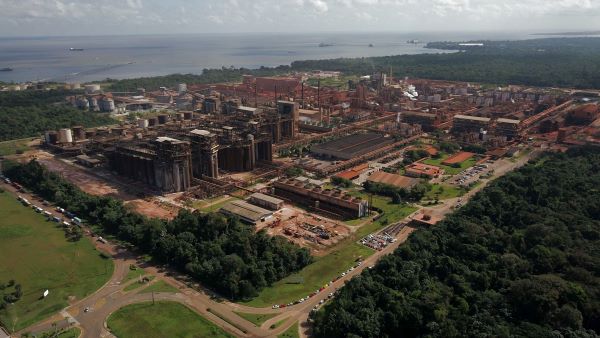
- Because of the insufficiency of domestic production, much of the aluminum hydroxide used in the U.S. comes from overseas—including 40% from Norsk Hydro’s Alunorte refinery in Brazil.
- Meanwhile, Hydro’s Brazilian operations import about $300 million in LNG from Louisiana and Texas every year, while also bringing in 600,000 metric tons of U.S.-made caustic soda, an important input for the refining process.
A necessary exemption: Recently, the Trump administration imposed 25% tariffs on many products sourced from Brazil, but after stakeholder feedback, it included aluminum hydroxide in its list of exemptions.
- The NAM highlighted the necessity of maintaining a supply of Brazilian aluminum hydroxide in its message to the U.S. Trade Representative ahead of the tariffs, noting its importance for manufacturers.
- Companies involved in the aluminum hydroxide supply chain have also called for exempting it from these tariffs, as did the Mississippi Rural Water Association and members of Congress.
The geopolitical angle: China is a top producer globally of aluminum hydroxide, and new tariffs might have driven customers into further dependence on the country.
- As the NAM has long argued, diversifying the supply chain of critical inputs away from unreliable partners, and leveraging the collective advantages of partner countries, must be a priority of U.S. trade policy.
The gallium potential: Hydro’s Alunorte facility has another large benefit for manufacturers in the U.S.: initial studies show that it could produce significant amounts of gallium as a byproduct of its refining process, thanks to high gallium concentrations in its bauxite feedstock.
- Gallium is a crucial input for U.S. defense and tech products, including semiconductors—and China currently dominates the global supply chain.
- The NAM called for the diversification of gallium sourcing in its recent critical minerals policy agenda. A large-scale, reliable supplier in a friendly nation would offer enormous economic and geopolitical certainty to the U.S. and its allies.
The speed pass: The NAM has advocated for making general licenses—or a “manufacturing speed pass”—available to any company importing critical inputs for further manufacturing activity in the U.S.
- Aluminum hydroxide is a critical example of a raw material that boosts America’s manufacturing potential but must be imported in sufficient quantities to make that production possible.
The word from Hydro: “Aluminum hydroxide is a critical raw material that supports manufacturing in America, public health, energy production and national security,” said Hydro Head of North American Affairs Ryan Modlin.
- “Ensuring reliable access to this material is essential for maintaining the competitiveness of U.S. industry and protecting supply chains that millions of Americans depend on every day. We appreciate the opportunity to engage with policymakers on this issue and look forward to working toward solutions that strengthen domestic manufacturing while preserving access to critical inputs from trusted trading partners.”
The last word: “Manufacturers need trade policies that lower, not raise, the cost of doing business. Trade policy should therefore address these unfair trade practices while ensuring any remedies do not impair the competitiveness of manufacturers in the U.S.,” said NAM Vice President of International Policy Andrea Durkin.