U.S. Loses Measles Elimination Status
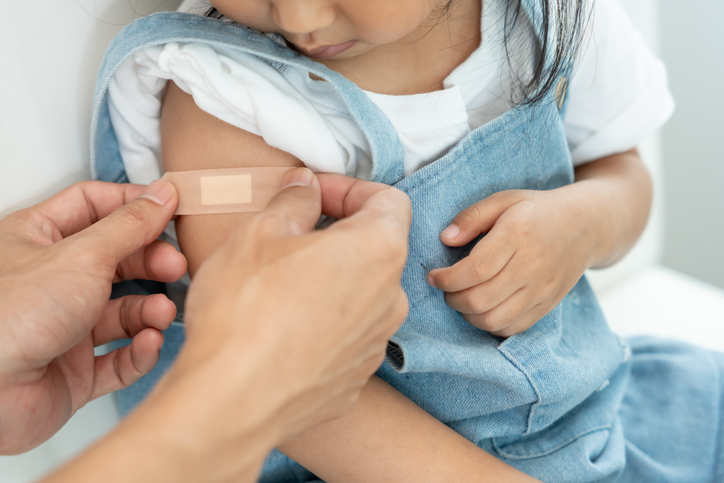
The Pan American Health Organization, a regional international health authority of the World Health Organization, has announced that the U.S. no longer holds measles elimination status (ABC).
The background: Measles in the U.S. was declared eliminated in 2000 as a result of high coverage of the MMR vaccine administered during childhood (PubMed).
- “In 2026 alone, the CDC has reported more than 5,400 cases—a level not seen since before measles was [deemed to be eliminated in the U.S.]” (The Wall Street Journal, subscription).
- “We’ve had more measles cases in the last 18 months than we’ve had in the previous 25 years combined,” said Noel Brewer, a public health professor at the University of North Carolina at Chapel Hill (NBC).
How it happened: Vaccinations for kindergartners fell from 95.2% two years ago to 92.4% for the school year that ended this past June, according to CDC data cited by the Journal.
- While a seemingly small drop, a 95% immunity or vaccination rate is the standard public health threshold required to achieve herd immunity and stop the spread of highly contagious diseases like measles (WHO).
The government angle: Health and Human Services Secretary Robert F. Kennedy Jr., a longtime, vocal vaccine skeptic, has overseen changes to vaccination programs and recommendations, including the childhood immunization schedule. Public health experts have warned that these efforts could further erode confidence in vaccines.
The risks: Significant outbreaks have occurred in recent months across multiple states, with five deaths reported so far in November.
- “The risk is especially pronounced for infants, who are not typically eligible for the first dose of the vaccine until they turn 1, as well as those who cannot get the shot because they are immunocompromised,” said Walter Orenstein, former director of the U.S. Immunization Program at the Centers for Disease Control and Prevention (NBC).
- Alarmingly, more than 100 women and at least 13 newborns have been infected with measles in the past two years, according to a new CDC report (New York Times, subscription). Measles is extremely dangerous for pregnant women, whose immune systems remain weakened for the duration of pregnancy.
The manufacturing impact: As measles cases surge across the U.S., falling vaccination rates are also taking an economic toll. The NAM has sounded the alarm on those economic consequences in a recent report, “Industrial Immunity: Inoculating the Manufacturing Economy,” which found that declining measles, mumps and rubella vaccination rates cost manufacturers an estimated $275 million annually in lost production as parents miss work to care for sick children.
- The NAM has urged policymakers to support vaccine innovation, strengthen public confidence in immunizations and maintain consistent vaccine policies that protect workers and keep factories running.
NAM in the news: A Forbes column published Tuesday also cited the NAM’s research in making the economic case for vaccination.