Policy and Legal
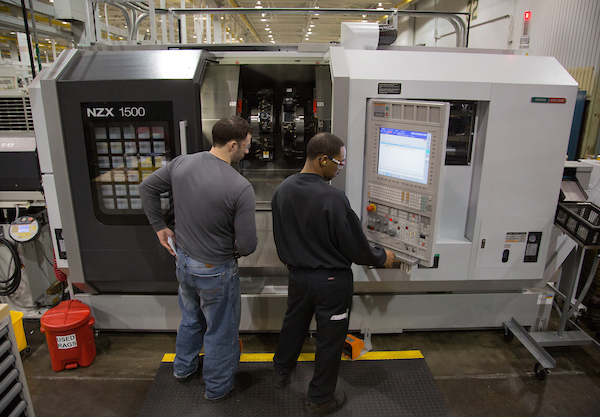
Manufacturers need smart laws and effective policies. That’s why the NAM is standing up for manufacturers everywhere – from the halls of power where we advance important legislation, to the courts where we fight to defend our rights.

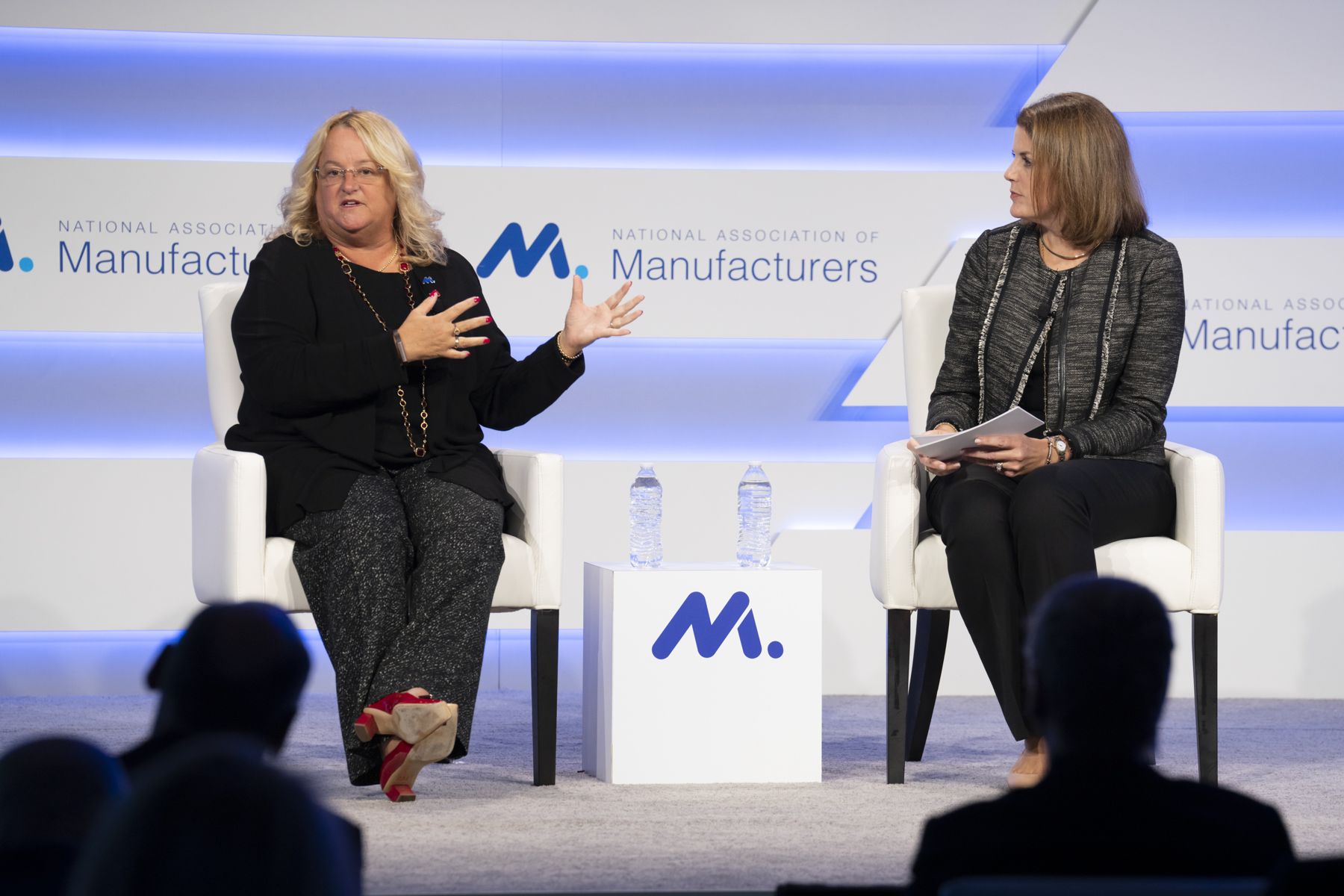
Q&A with Sen. Lankford on Tax Policy
April 15, 2026NAM: Sen. Lankford, H.R. 1 permanently restored 100% bonus depreciation for qualifying property acquired after Jan. 19, 2025, reversing a phasedown that had reduced the deduction to 40% in 2025 and would have eliminated it by 2027. As a member of the Senate Finance Committee, what does permanent full expensing mean for manufacturers making long-lived…
On Tax Day, the Receipts Are Filled with Manufacturing Wins
April 15, 2026Washington, D.C. – On the first Tax Day since passage of H.R. 1, National Association of Manufacturers President and CEO Jay Timmons released the following statement: “This Tax Day, manufacturers now have a permanent, pro-growth tax code that allows our industry to compete and win. Thanks to President Trump, leaders in his Cabinet and in…
Timmons: “A Leader of Substance and Integrity”—NAM Congratulates Jim Fitterling on Executive Chair Role at Iconic Manufacturer Dow
April 14, 2026Washington, D.C. – National Association of Manufacturers President and CEO Jay Timmons issued the following statement congratulating former NAM Board Chair Jim Fitterling on his appointment as executive chair of the board of Dow Inc. “Dow’s announcement marks an important leadership transition for the iconic manufacturer and an opportunity to recognize the extraordinary leadership of…
Manufacturing Leadership Council Announces Finalists for the 2026 Manufacturing Leadership Awards
April 10, 2026Washington, D.C. – The Manufacturing Leadership Council, the digital transformation division of the National Association of Manufacturers, today announced the finalists for the 2026 Manufacturing Leadership Awards, honoring world-class manufacturers and individual leaders for outstanding achievements in digital transformation. In addition, MLC unveiled the 2026 Partners in Collaborative Innovation, which recognizes technology and consulting organizations…

Without Certainty, Innovation Slows
April 2, 2026Washington, D.C. – National Association of Manufacturers President and CEO Jay Timmons released the following statement in response to the new tariffs on pharmaceutical products and the adjusted tariffs on steel, aluminum and copper imports and derivative products. “Manufacturers are innovators. We work to supply the world with the medicines and therapies to ensure a healthier…
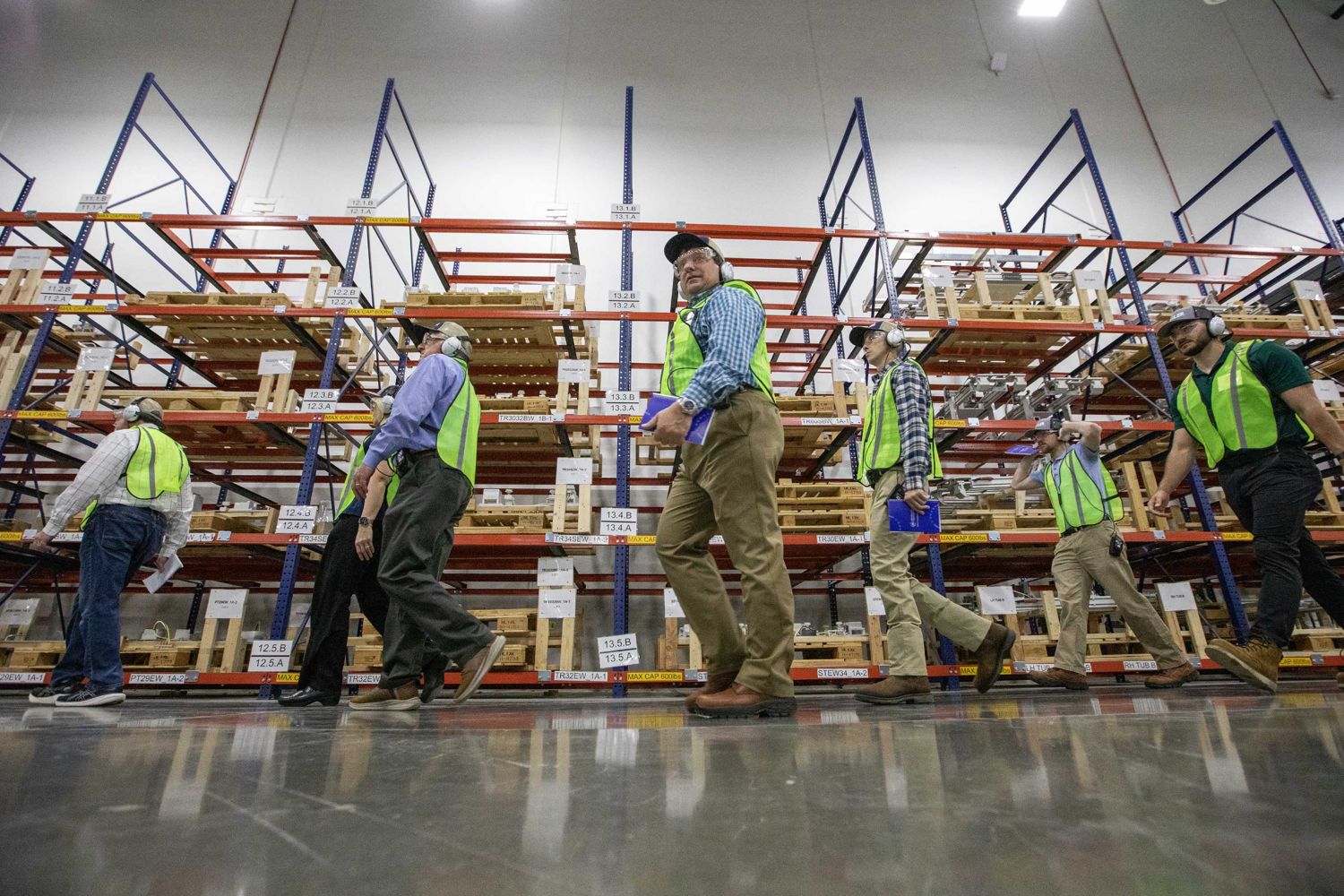
Novonesis to Host Sen. Pete Ricketts for Manufacturing Tour to Highlight Success of Pro-Growth Tax Policy
March 26, 2026Washington, D.C. – Novonesis, in partnership with the National Association of Manufacturers, will host Sen. Pete Ricketts (R-NE) for a facility visit in Blair, Nebraska, on March 31 to highlight the impact of the pro-growth tax provisions of the Working Families Tax Cuts on America’s manufacturing economy. The 2025 law made key tax policies permanent…