FedEx Adapts to Serve GLP-1, Temperature-Sensitive Biologics Markets
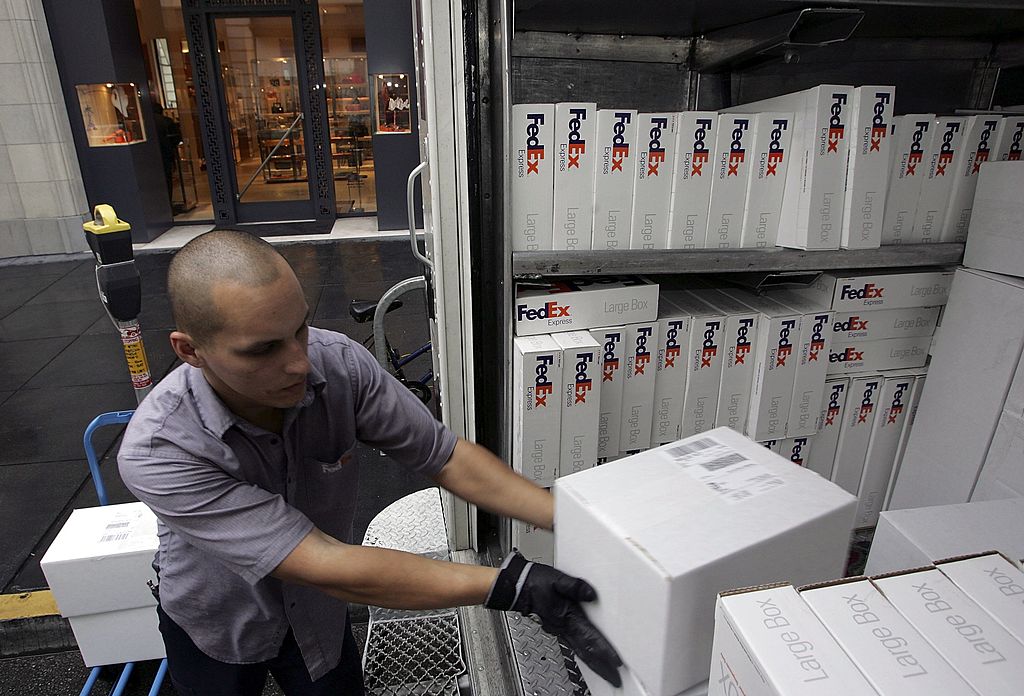
FedEx is adapting to the growing demand for specialized medications (CNBC).
What’s going on: “Most injectable GLP-1 medications, including Novo Nordisk’s Ozempic and Wegovy and Eli Lilly’s Mounjaro and Zepbound, require refrigerated storage for shipment. … Logistics companies are now investing millions of dollars and strengthening dozens of temperature-controlled facilities to tap into the market.”
- The global pandemic spotlighted temperature-controlled shipping, as vaccines required it.
- Now, other highly popular biopharmaceuticals do, too, driving more investment by shippers.
Why it’s important: The demand for temperature-sensitive biologics is expected to grow at an 8.3% compound annual rate in the next seven years, according to Growth Market Reports.
- It’s slated to reach a market value of approximately $39.1 billion.
- The demand for GLP-1 medications, now used widely in the treatment of obesity, continues to rise, with a recent poll finding that 11% of Americans take one.
- Improper storage of GLP-1s and some biologics, such as insulin, could compromise the medication’s efficacy.
A new organization: Earlier this month, FedEx announced the launch of FedEx Life Sciences, a “dedicated organization created to support the increasingly complex movement of pharmaceuticals, medical devices, biologics, clinical trials and other critical healthcare shipments,” according to its website.
- FedEx considers itself “ideally positioned” to transport such items because of its “specialized technology, including its machine learning engine that allows customers to see product movement with predictive abilities, as well as its technology that identifies healthcare products and treats each differently depending on its unique needs,” CNBC reports.
The last word: “[W]hat’s so important with global pharma is that you have to recognize that there’s a patient at the end of every delivery or someone that’s waiting to be treated,” FedEx Healthcare and Life Sciences President Nick Gennari told CNBC.
- “So we take this very, very seriously.”