China Increases Mining Investments Overseas
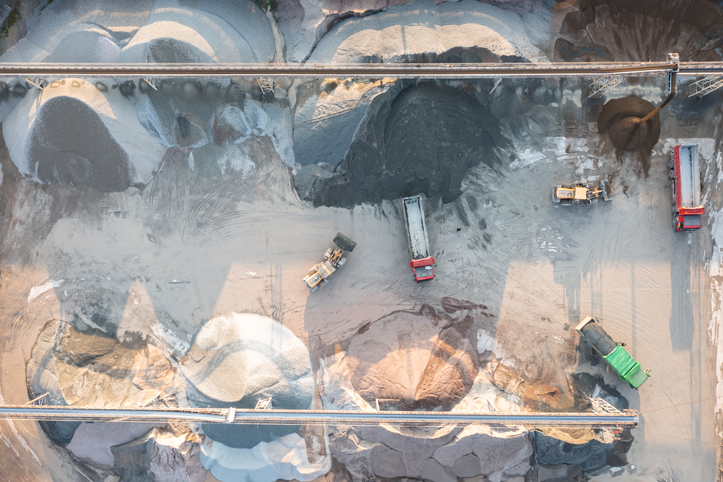
China is using its state-linked companies to increase investments in overseas mines, seeking to further strengthen its dominance over critical mineral supplies (CNBC).
The details: In April, Beijing established a “dedicated overseas bureau” to monitor investments made by state-owned firms.
- “Later in July, a mining investment vehicle was created to coordinate overseas deals, advising Chinese companies on compliance, risk management and market conditions as they face growing geopolitical tensions and regulatory hurdles abroad.”
Acquisitions: In the first three quarters of 2026, China spent $8.8 billion on mineral acquisitions, its highest level of spending since “at least 2018,” according to a new report by the Rhodium Group.
- Meanwhile, “outbound investment in upstream critical minerals will likely roughly double from the 2021–2025 period, according to Eurasia [Group].”
- New investments include minerals that are scarce in China, such as cobalt, nickel, copper and lithium.
The big picture: China controls much of the critical minerals market, particularly processing, which it has used to exert geopolitical pressure on its rivals.
- Over the past few years, it has reduced exports of rare earth minerals, key inputs in everything from personal electronics to defense products to medical devices.
- Dependence on China comes with high costs: recently, a drop in China’s global exports of yttrium has left Japan with only a few months of supplies (The Japan Times).
- Some countries have resisted China’s dominance by demanding more local processing rather than exporting raw materials to China for refining.
NAM at work: The NAM is advising U.S. and allied policymakers as they work to diversify global supply chains and reduce their reliance on China.
- Its policy agenda, “Unearthing Mineral Solutions: A Comprehensive Critical Minerals Agenda for Manufacturers in America,” outlines practical recommendations for expanding domestic mining and processing of critical minerals, while forging plurilateral international partnerships to strengthen every part of the critical mineral supply chain and counter China’s nonmarket practices.