
Manufacturers Launch “Manufacturing Wins” Campaign to Prevent Devastating Tax Increases in 2025
Washington, D.C. – The National Association of Manufacturers has launched an industry-wide effort to educate Congress and the administration on the need for urgent action to preserve the pro-growth 2017 tax reform provisions set to expire at the end of 2025.
NAM President and CEO Jay Timmons, Ketchie President and Owner and NAM Small and Medium Manufacturers Group Chair Courtney Silver and Husco President and CEO and NAM Executive Committee member Austin Ramirez released the following statements:
“The transformative impact of 2017 tax reform cannot be overstated. Tax reform was rocket fuel, igniting a resurgence in the manufacturing sector. It put into place competitive policies that fueled record job creation, wage growth, capital investment and innovation,” said Timmons. “However, if Congress does not act, next year’s expiration of these powerful force multipliers will undo much of the progress made by our industry and America. Manufacturers are putting a stake in the ground and warning policymakers to stand up against any tax increases on the people who make things in America.”
“If Congress does not act before the end of 2025, manufacturers will be competing with one hand tied behind our back. Manufacturers across the country promised to take tax reform’s pro-growth provisions and ensure they had a direct positive impact on American lives,” said Silver. “We kept our promises. We created jobs, we purchased equipment and we gave back to our communities. I urge Congress to build on the promise of tax reform to enable manufacturers to do even more.”
“The stakes are high—the economic damage will be severe if Congress decides that it’s time to end tax reform,” said Ramirez. “Allowing tax reform to sunset means tax hikes on manufacturers and manufacturing families, which will slow our sector’s growth and prevent us from investing in job-creating projects that support communities across the country and boost our economy.”
Background:
Critical tax reform provisions are set to expire at the end of 2025, resulting in significant tax increases for virtually all manufacturers.
- A recent NAM survey found that 94% of manufacturers believe Congress should act before the end of 2025 to prevent these tax increases.
- If Congress fails to act, 73% of manufacturers would be forced to limit capital investments, 65% would have to reduce job creation and 52% would spend less on R&D, among other damaging impacts.
- Additionally, 93% of pass-through manufacturers said that the loss of the pass-through deduction, which ensures a level-playing field for small businesses that pay tax at individual tax rates, would harm their ability to grow, create jobs and invest in their business.
- Released by the NAM today, What’s at Stake: Manufacturers Face Devastating Tax Increases in 2025, explores the pro-growth policies from the Tax Cuts and Jobs Act and explains why allowing them to expire would damage the manufacturing economy.
- The “Manufacturing Wins” issue page on NAM.org provides a hub for 2025 tax content as well as opportunities for manufacturers to share their stories directly with Congress and the administration.
- The NAM submitted a letter today to House Ways and Means Committee Chairman Jason Smith (R-MO) and Ranking Member Richard Neal (D-MA) and Senate Finance Committee Chairman Ron Wyden (D-OR) and Ranking Member Mike Crapo (R-ID) outlining manufacturers’ tax priorities for 2025.
-NAM-
The National Association of Manufacturers is the largest manufacturing association in the United States, representing small and large manufacturers in every industrial sector and in all 50 states. Manufacturing employs nearly 13 million men and women, contributes $2.89 trillion to the U.S. economy annually and accounts for 53% of private-sector research and development. The NAM is the powerful voice of the manufacturing community and the leading advocate for a policy agenda that helps manufacturers compete in the global economy and create jobs across the United States. For more information about the NAM or to follow us on Twitter and Facebook, please visit www.nam.org.
10th Anniversary of NAM President and CEO’s “Four Pillars” Speech

NAM President and CEO Jay Timmons delivered a defining speech at the Friends of Adam Smith Awards a decade ago. This speech outlined the “Four Pillars of an Exceptional America,” a framework that continues to shape the NAM’s mission and advocacy.
Flashback: On June 11, 2014, in his speech accepting the 2014 Business Citizen Award for an outstanding record of achievement in advancing the principles of free enterprise, Timmons introduced the four pillars that underpin American exceptionalism and manufacturing strength.
The Four Pillars:
- Free enterprise: The economic system that unleashes innovation, creates opportunity and lifts humankind out of poverty more than any other economic system has in the history of the world.
- Competitiveness: Our ability, when untethered from government overreach, to prosper and win in a global economy.
- Individual liberty: The unique freedoms enshrined in our Constitution and Bill of Rights that enable us to live and succeed.
- Equal opportunity: Our shared belief that we all have the ability to contribute to the betterment of our families, our companies, our communities and our country.
Manufacturers’ approval: The NAM Board of Directors unanimously adopted these pillars as part of the association’s official policy positions, guiding the NAM’s Competing to Win agenda to bolster the competitiveness of manufacturers in the United States.
The impact: These pillars have guided the NAM’s efforts in promoting policies that support a robust manufacturing industry and a strong national economy, helping to draw support across the political divide for manufacturers’ principles-based agenda.
The bottom line: “The Four Pillars are not just about manufacturing; they are about sustaining the promise of America,” said NAM Executive Vice President Erin Streeter. “That’s why these values have helped us ensure the manufacturing agenda is a post-partisan agenda, drawing support for so many of our priorities from policymakers and by candidates—on both sides of the aisle—on the campaign trail. We will continue to work with anyone who wants to advance these values.”
NAM Launches Campaign to Prevent Tax Increases on Manufacturers
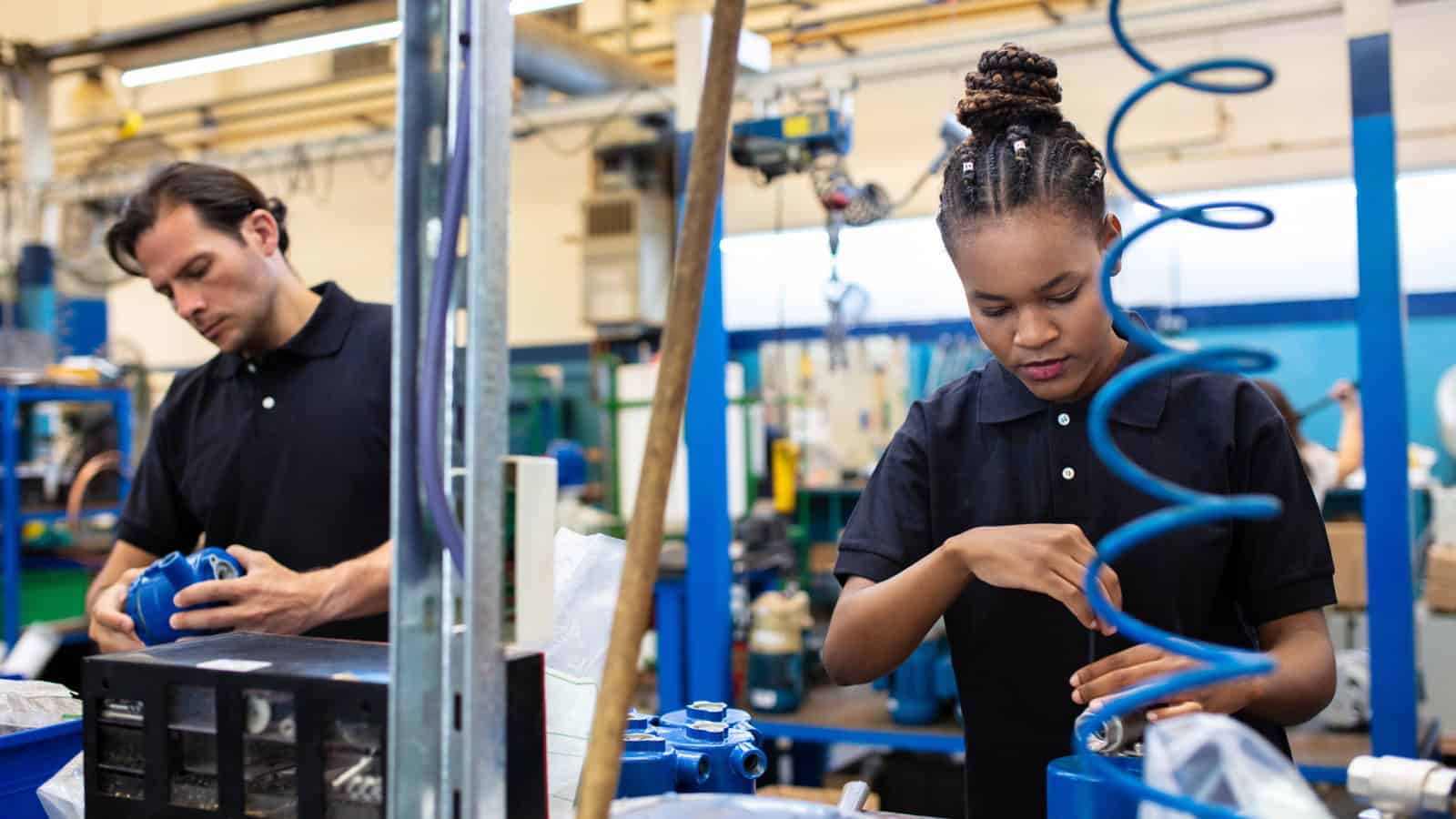
The NAM today launched an industry-wide campaign to educate legislators, candidates and the Biden administration on the urgent need for action to preserve pro-growth tax policies scheduled to expire at the end of next year.
What’s going on: Critical reforms from the 2017 Tax Cuts and Jobs Act will expire at the end of 2025. The NAM’s Manufacturing Wins campaign is designed to ensure that Congress preserves 2017 tax reform in its entirety to avoid significant economic damage in the manufacturing sector and across the broader economy.
What’s at stake: If they do not, at the end of 2025, virtually all manufacturers will face devastating tax increases that will cost manufacturing jobs, stifle growth and stunt innovation. Small manufacturers, which are often organized as pass-through businesses that pay tax at the individual tax rates, face increases in their income taxes and a loss of tax reform’s 20% pass-through deduction.
- Family-owned manufacturers will experience changes to the estate tax that subject more of their assets to taxation upon the death of a loved one.
- Investments in manufacturing growth will continue to be delayed without action to restore immediate R&D expensing, accelerated depreciation for capital equipment purchases and a pro-growth interest deductibility standard.
Learn more: What’s at Stake: Manufacturers Face Devastating Tax Increases in 2025 explores the tax provisions up for debate next year—and highlights the NAM’s policy suggestions for Congress to prevent devastating tax hikes.
Manufacturers at risk: A recent NAM survey found that if Congress fails to prevent the 2025 expirations, 73% of manufacturers would be forced to limit their capital investments, 65% would have to reduce job creation and 52% would spend less on R&D. Further, 93% of pass-through manufacturers said that the loss of the pass-through deduction would harm their ability to grow, create jobs and invest in their business.
- Some 94% of manufacturers believe Congress should act before the end of 2025 to prevent these tax increases.
The last word: “Manufacturers across the country promised to take tax reform’s pro-growth provisions and ensure they had a direct positive impact on American lives,” said NAM Small and Medium Manufacturers Group Chair Courtney Silver, president and owner of precision machining company Ketchie.
- Silver has made the case repeatedly that these tax priorities are critical for the success of small and medium-sized manufacturers in the United States.
- “We kept our promises. We created jobs, we purchased equipment and we gave back to our communities. I urge Congress to build on the promise of tax reform to enable manufacturers to do even more.”
NAM, ACC Challenge EPA’s National Drinking Water Rule

The NAM and the American Chemistry Council yesterday filed a petition challenging the Environmental Protection Agency’s first-ever national drinking water standard limiting the presence of six types of per- and polyfluoroalkyl substances, or PFAS.
What’s going on: The organizations are seeking to overturn the final rule—issued in April by the EPA—in the D.C. Circuit Court of Appeals on the grounds that it exceeds the agency’s authority under the Safe Drinking Water Act of 1974 and “is arbitrary, capricious and an abuse of discretion,” in violation of the Administrative Procedure Act.
- Under the rule, PFAS in municipal water systems are limited to near-zero levels. Systems nationwide will have three years to monitor for the chemicals and two subsequent years to install technology to reduce the compounds’ levels in the water.
- The water systems will (and, in fact, have already begun to) sue manufacturers to cover their costs. Meanwhile, plaintiffs’ attorneys are using the standard in product liability and greenwashing suits against manufacturers.
- PFAS are a diverse group of chemicals that have been used widely for decades due to their unique ability to douse fires and resist grease, stains and corrosion. Today they’re a key component in a wide range of critical products, from semiconductors, to the components of the electrical grid, to renewable-energy production equipment.
Why it’s problematic: The final regulation of PFAS “is wholly infeasible and threatens these vital substances’ continued application in manufacturing processes,” said NAM Chief Legal Officer Linda Kelly, adding that the agency’s rulemaking is based “on a deeply flawed cost-benefit analysis” and fails to follow Safe Drinking Water Act procedure and other statutory requirements.
- “In many instances, there is no viable alternative for these chemicals, and companies may be forced to change plans dramatically” to follow the new rule, NAM Managing Vice President of Policy Chris Netram said in April.
- “In everyday life, including emergency situations like a fire or operating room circumstance, there’s a real reliance on these products—it’s not just about job losses and costs but fundamental decisions that have widespread ramifications,” Netram added recently.
What should be done: The rule should be vacated as soon as possible, the NAM and the ACC told the court.
Manufacturers Challenge Infeasible, Costly Water Standard
The NAM Legal Center and ACC File Suit to Block the Rule
Washington, D.C. – Today, the National Association of Manufacturers, joined by the American Chemistry Council, filed a petition in the D.C. Circuit Court of Appeals challenging the Environmental Protection Agency’s final rule setting individual standards for six per- and polyfluoroalkyl substances, also known as PFAS, in municipal water systems.
“Manufacturers support commonsense regulations on PFAS that recognize the criticality of these substances across several industrial sectors—for many of these critical applications, there are no viable alternatives,” said NAM Chief Legal Officer Linda Kelly. “What the EPA did, however, was to bulldoze ahead with standards that set an acceptable level for PFAS at near zero—which is wholly infeasible and threatens these vital substances’ continued application in manufacturing processes. In doing so, the EPA relied on a deeply flawed cost-benefit analysis and failed to follow the clear-cut statutory procedures required by the Safe Drinking Water Act, among other substantive and procedural deficiencies. The NAM Legal Center is filing suit to overturn this unachievable standard and protect manufacturing operations and jobs across the country.”
PFAS are a diverse group of chemicals essential to modern life, including in the transformers used to power electric grids; in the semiconductors and solar components needed for clean energy transition; and in the aircraft, munitions, fire suppression systems and communication devices required for national security.
-NAM-
The National Association of Manufacturers is the largest manufacturing association in the United States, representing small and large manufacturers in every industrial sector and in all 50 states. Manufacturing employs nearly 13 million men and women, contributes $2.89 trillion to the U.S. economy annually and accounts for 53% of private-sector research and development. The NAM is the powerful voice of the manufacturing community and the leading advocate for a policy agenda that helps manufacturers compete in the global economy and create jobs across the United States. For more information about the NAM or to follow us on Twitter and Facebook, please visit www.nam.org.
NAM, Partners File Opening Brief in Suit Against EPA

On Thursday, the NAM, joined by other business groups, filed the opening brief in their pending lawsuit against the Environmental Protection Agency.
What’s going on: In March, the groups petitioned the D.C. Circuit to review the EPA’s reconsideration of the National Ambient Air Quality Standards for fine particulate matter (or PM2.5), which lowers the allowable level to 9 micrograms per cubic meter of air from 12, a 25% reduction. The agency handed down the final, tightened rule in February.
- In their brief, the coalition argues that the EPA lacks the authority under the Clean Air Act—the law that authorizes it to establish the NAAQS—to “reconsider” a decision made in 2020 to not lower the PM2.5 standard; that the agency failed to take into account the cost and feasibility of a tightened standard; and that it failed to give a “reasoned explanation for key aspects of its decision.”
- The groups participating in the suit with the NAM are the U.S. Chamber of Commerce, the American Chemistry Council, the American Petroleum Institute, the American Forest & Paper Association, the American Wood Council, the National Mining Association and the Portland Cement Association.
Why it’s important: The tighter NAAQS rule could result in many parts of the U.S. being designated as in nonattainment, which would trigger significant new costs for manufacturers and others attempting to obtain air permits in those locations.
- Many of these areas “are indisputably handicapped in their ability to reduce emissions to meet the new NAAQS” due to factors beyond municipalities’ and manufacturers’ control (i.e., wildfires, which affect most of the contiguous U.S. at some point each year).
- The new rule could also prevent manufacturers from building or modifying facilities in certain areas, undermining the Biden administration’s own “Investing in America” agenda, as it would stifle investment in manufacturing and kill—not create—well-paying manufacturing jobs.
What should be done: The rule should be vacated as soon as possible, the groups told the court.
Texas Sues to Block DOL Overtime Rule

Texas has filed suit in an effort to vacate a Biden administration regulation that would make millions more workers eligible for overtime pay (Reuters, subscription).
What’s going on: “Republican Texas Attorney General Ken Paxton in a complaint filed in Sherman, Texas, federal court on Monday said the rule violates federal wage law by basing eligibility for overtime on how much workers are paid rather than the duties they perform.”
- The expanded rule, released by the Department of Labor in late April, violates states’ constitutional right to structure the pay of state employees and thus how to allocate their budgets, Texas said.
- Attorneys for the Lone Star State added that the regulation—which the department has said would make about 4 million additional workers eligible for overtime pay—will force states to “eliminate or alter employment relationships and cut or reduce services and programs.”
- Also on Monday in Texas, software company Flint Avenue filed a suit saying “the rule is arbitrary and capricious, and that the DOL lacked the authority to issue the change” (Bloomberg Law, subscription).
What it would do: The expanded rule drastically bumps up the salary threshold for determining a worker’s overtime pay eligibility.
- Under it, starting in 2025, most employees making less than $58,656 will be owed time-and-a-half wages when they work more than 40 hours in a single workweek (Bloomberg Law, subscription).
- The current threshold is about $35,500.
Why it’s important: The new overtime rule “places new constraints on employers, reduces flexibility for the workers who will be reclassified and may force companies to make painful choices that limit both job creation and growth opportunities available to employees,” NAM Managing Vice President of Policy Chris Netram said in April.
- “This … regulatory hurdle will complicate manufacturers’ efforts to fill the millions of jobs our industry is projected to create within a decade.”
PA Manufacturer: Preserve “Keystone” Tax Provisions
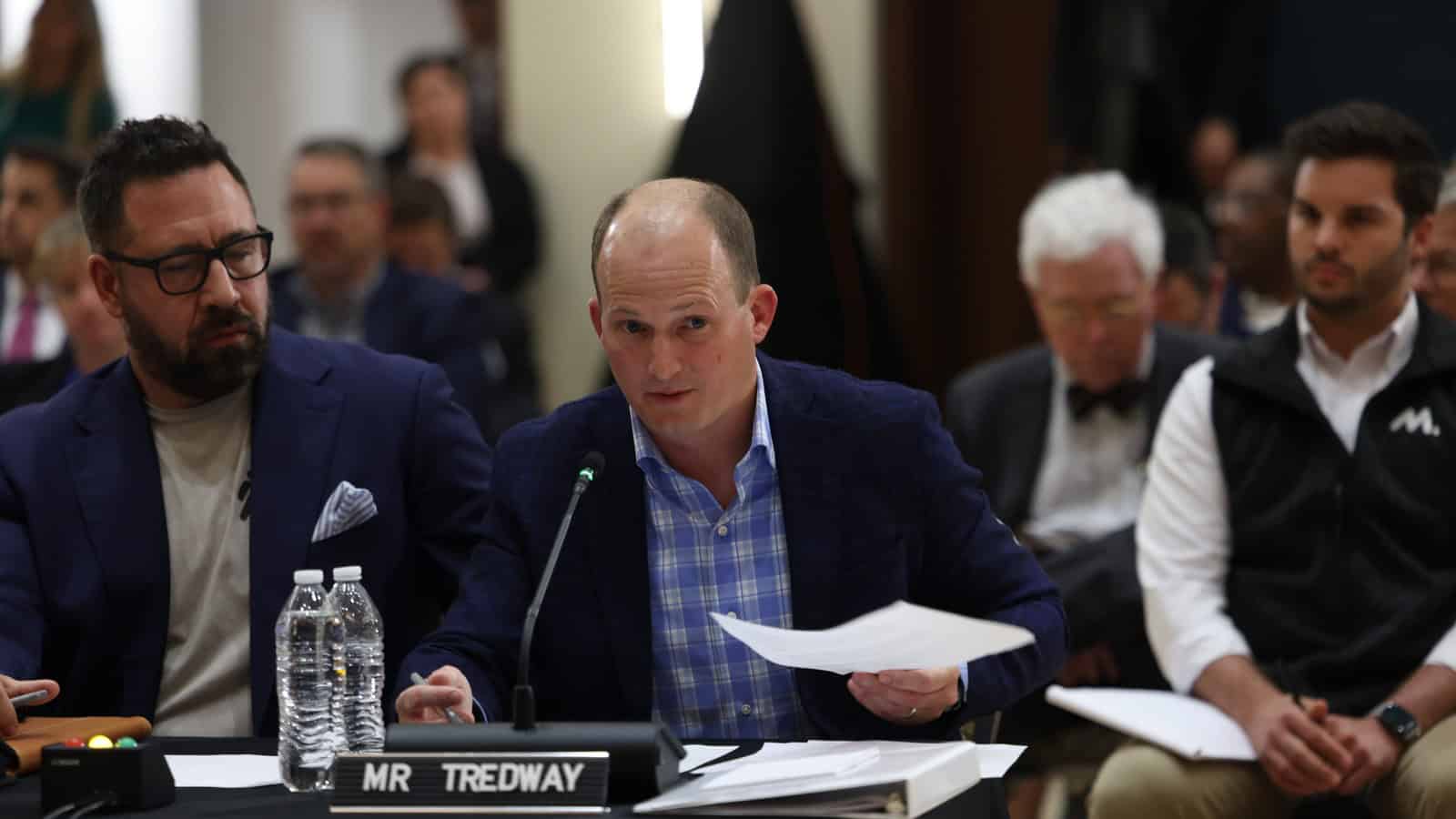
The U.S. tax code is a keystone of our nation’s economic competitiveness, Erie Molded Packaging President Tom Tredway told the House Ways and Means Tax Subcommittee at a field hearing on Monday. But pro-growth tax provisions have begun expiring, with more tax increases on the way next year—so that keystone has started to crack, “weakening the entire structure” of the country.
What’s going on: Tredway gave testimony at a hearing in his hometown of Erie, Pennsylvania, the namesake of his 42-year-old, family-owned custom injection molded parts and packaging solutions company.
- Tredway told Ways and Means Committee Chairman Jason Smith (R-MO), Tax Subcommittee Chairman Mike Kelly (R-PA) and others of the negative effects his business has seen since the expiration of three provisions from the 2017 Tax Cuts and Jobs Act: immediate expensing for domestic research and development, enhanced interest deductibility and full expensing.
- And Tredway put the committee on alert: additional TCJA expirations are scheduled for the end of 2025, and small manufacturers “will be disproportionately harmed” by congressional inaction to preserve these vital policies.
A winning formula: The expired provisions—as well as other, soon-to-expire measures—were like rocket fuel for manufacturers and the rest of the economy.
- “In the years following TCJA, Erie Molded was able to invest nearly $7 million in new capital equipment purchases thanks to full expensing,” Tredway said. “Along with this much-needed equipment, we were able to create new positions across our team, and we were able to deliver higher quality products faster to our customers.”
But now… Tredway’s company has had to delay important equipment purchases, and last year, its taxable income “was almost six figures higher” than Tredway had anticipated.
- What’s more, when the 20% pass-through deduction—currently taken by companies in which profits pass through to the owner and are thus taxed at the individual rate—expires at the end of 2025, Erie Molded Packaging will see another tax hike it can ill afford, “severely hampering [the company’s] growth trajectory.”
What should be done: Congress must pass the Tax Relief for American Families and Workers Act as soon as possible—and act to prevent tax hikes in 2025, Tredway told those at the hearing.
- “I urge every member of this committee to preserve these and the other pro-growth provisions, which allow manufacturers to function as the backbone of our economy and compete on a global scale.”
NAM Files Suit to Block OSHA “Walkaround” Rule
The NAM and allied groups are challenging the U.S. Occupational Safety and Health Administration’s recently finalized “walkaround” rule.
What’s going on: On Tuesday, the NAM, joined by like-minded business organizations, filed a lawsuit in the Western District of Texas to block OSHA’s final rule revising the Worker Walkaround Representative Designation Process. That rule was finalized in April and is set to go into effect May 31.
- The new rule would allow nonemployees—including union representatives, plaintiffs’ attorneys, community organizers and even competitors—to accompany OSHA inspectors on workplace safety inspections.
Why it’s a problem: Not only does the final rule fail to advance the agency’s mission of ensuring workplace safety, but it is beyond the scope of OSHA’s authority. What’s more, it violates businesses’ rights, the NAM said.
- The new regulation “infringes on manufacturers’ right to exclude others from their property, threatens new liabilities and risks compromising manufacturers’ intellectual property. The NAM Legal Center is filing suit to prevent this harm,” NAM Chief Legal Officer Linda Kelly said.
NAM to Senate: Administration March-in Proposal Undermines IP, Innovation

The Biden administration’s push to invoke “march-in” rights is unlawful and would have “disastrous consequences” for the United States if enacted, the NAM told the Senate Tuesday.
What’s going on: Ahead of a Senate Judiciary Committee hearing on intellectual property in the biopharmaceutical sector, the NAM warned of the potentially dire consequences of the proposed march-in framework issued by the National Institute of Standards and Technology.
- The NIST proposal would allow the federal government to “march in” and seize manufacturers’ patent rights if an innovation was developed in any part with federal dollars.
- In the biopharmaceutical sector and other innovative industries, federal funding plays an important role in supporting early-stage research—but further R&D, product development and commercialization require hundreds of millions to billions of dollars in additional capital from investors and established companies.
- Robust IP protections ensure that manufacturers can bring innovative products to consumers.
Why it’s a problem: March-in would violate manufacturers’ IP rights and prevent investment into lifesaving and life-changing technologies, according to NAM Vice President of Domestic Policy Charles Crain.
- “Allowing march-in based on the price of a product or technology, as the NIST guidance proposes … would undermine manufacturers’ IP rights and have sweeping ramifications for innovation in the United States and America’s world-leading innovation economy,” Crain told the committee.
- Committee member Sen. Chris Coons (D-DE) agreed during the hearing that the proposal is fundamentally flawed. “Any company [that] invents [anything] or any researcher who invents anything is now open to the federal government saying, ‘I want that, and I don’t agree with the price you’re setting for it,’” he said.
What should happen: Congress must stop NIST’s overreach, Crain said.
- “Policies that threaten IP protections, like NIST’s proposed march-in guidance, will cede one of our greatest advantages to our competitors. Manufacturers [look forward] to work[ing] with the committee to ensure the U.S. maintains the strongest IP protections in the world in order to spur the discovery and commercialization of inventions that improve health and quality of life for all people.”