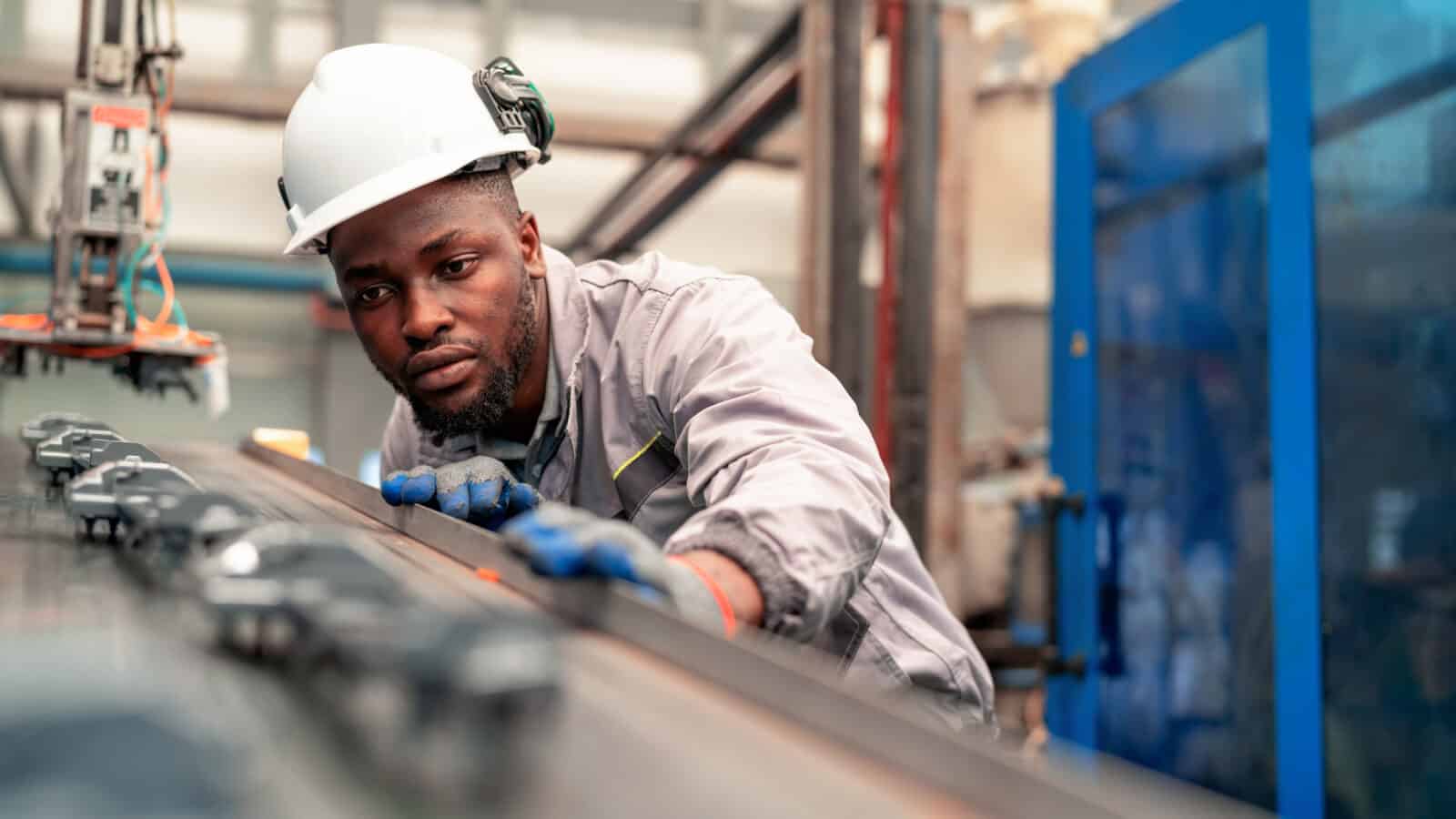
Manufacturing Institute Address Spotlights Workforce

In the Manufacturing Institute’s State of the U.S. Manufacturing Workforce Address, MI President Carolyn Lee had a clear message for industry leaders: “Workforce is not a side issue. It is the strategy.”
An exciting moment: Speaking at NTT Data’s North American headquarters in Dallas, Lee observed that manufacturers have an exciting opportunity before them.
- “Across the country, people are rethinking the way they approach learning. They’re reimagining the way to build a career. More and more, they are turning to other pathways as launchpads to their future,” she said.
- “Young people today have started to see more value in a different kind of job. A recent Harris poll found that the share of Gen Z-ers interested in blue-collar careers stood at 50%—more than twice as high as Americans overall.”
- “So as more young people seek out skilled pathways, we must seize the opportunity to ensure they see manufacturing as a sector in which they apply those skills for a durable career,” she continued.
Cultivating the right skills: Lee pointed out that these young people interested in the manufacturing industry must be equipped with the skills to succeed in it. She urged manufacturing companies to design and sustain strategies that will build this new workforce.
- “When manufacturers open their doors to students, parents and educators—through plant tours, classroom visits or MFG Day events—they do more than promote their companies. … For many young people, that first exposure is the moment they realize there is a home for them in this industry; that manufacturing is a place where they can build, solve and contribute,” she said.
- “But an employer’s role doesn’t stop here. It must continue through partnerships with high schools, community colleges and universities; through internships, mentorships and apprenticeship programs that blend classroom instruction with paid, hands-on learning.”
- If all these steps are taken, students will “see a pathway forward—not just a first job, but a future,” Lee added.
MI in action: Lee highlighted the MI’s groundbreaking work in expanding talent pipelines and increasing access to rewarding manufacturing careers.
- “For example, through Heroes MAKE America, we are turning military excellence into manufacturing careers. We’ve expanded from entry-level on-site training and networking to offering in-demand high-skilled training. We’ve built and launched the Manufacturing Readiness Badge program, which translates military experience into validated, industry-recognized skills that manufacturers understand.”
- She also spotlighted the “rapid growth of the MI’s FAME program—the nation’s premier ‘earn and learn’ apprenticeship model for manufacturing. Since the MI took over stewardship of FAME from Toyota six years ago, FAME has more than doubled in size. Today, it includes nearly 500 companies across 17 states, boasting an incredible 85% job placement rate with sponsoring employers.”
The promise of AI: On the subject of AI, Lee observed that “people who can leverage new technologies into the way they operate—who can use it to help them solve problems, make better decisions and get more done—will succeed in the job market and power the future.”
- [A]s AI evolves the way work is done, it’s opening doors to roles and opportunities we’re only beginning to see,” she continued. “Just as past technological shifts have changed the workplace, they’ve also created new paths for people to grow and contribute.”
- “That reality makes workforce development and upskilling urgent—and essential. In order for America to dominate AI and leverage these technologies to their fullest potential, we need to ensure our manufacturing workforce is ready with the right skills.”
A call to action: Lee ended her speech by invoking the history of American manufacturing and its record of increasing our nation’s security and prosperity.
- “Manufacturing has never waited for permission to lead. We build opportunities. We solve challenges. And we know from our history—from the factories that powered the Industrial Revolution to the assembly lines that mobilized an arsenal of democracy, from the boom that built the middle class to the advanced production that created the modern economy—when manufacturing steps up, America moves forward.”
- “Today, we have an opportunity again to share what leadership looks like—by putting people at the center of progress and by building a workforce ready not just for today, but for what comes next.”
- “When manufacturing leads, America works.”