Watch: Timmons Talks Workforce on CBS
NAM President and CEO Jay Timmons joined CBS Mornings today to discuss manufacturing’s number one challenge: finding enough skilled workers to fill available jobs.
What Manufacturers Should Know about Hiring Military Talent
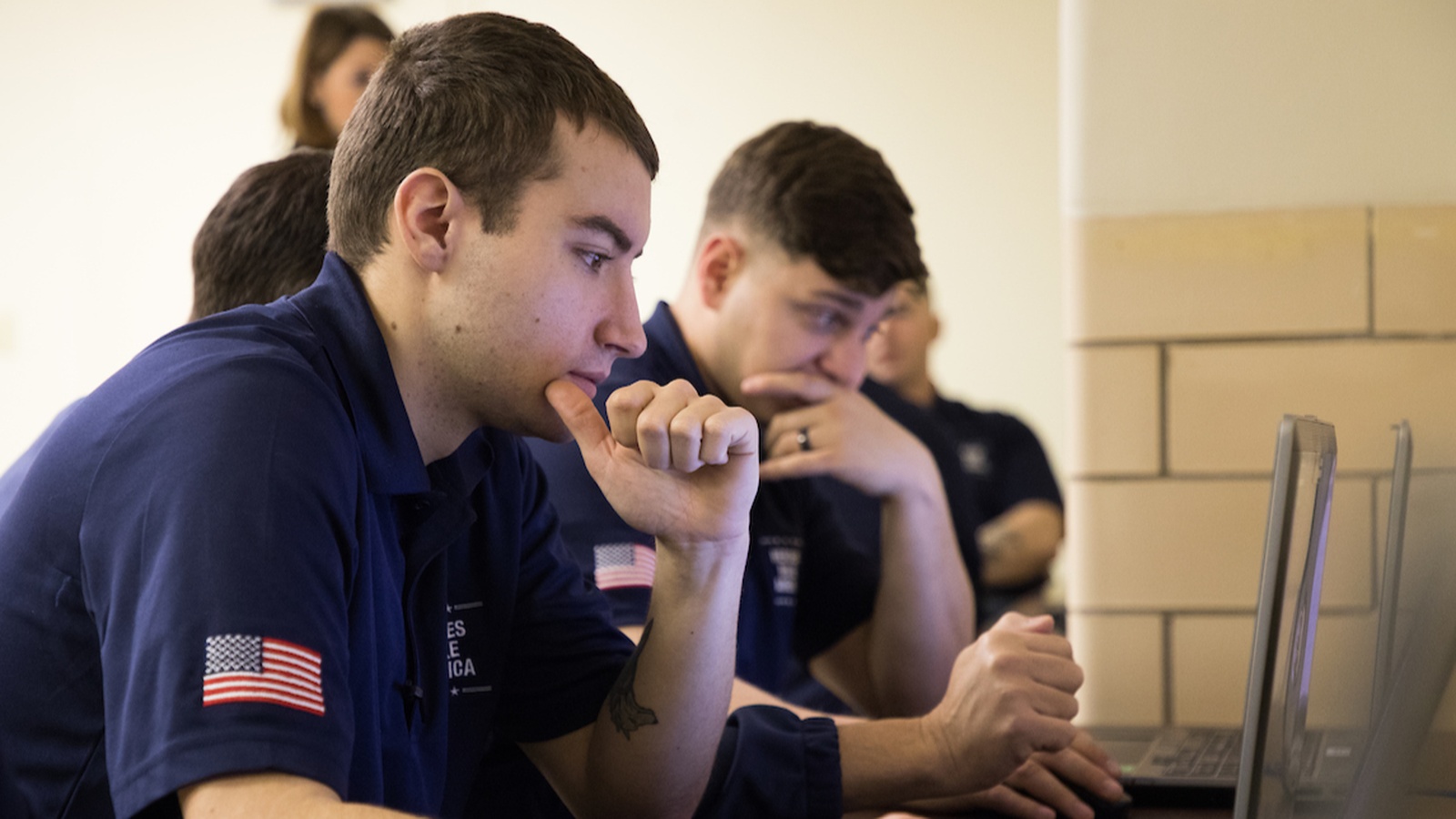
With 200,000 people transitioning out of the military annually, in addition to veterans, reservists and military spouses, the military population represents a highly skilled talent pool that manufacturers are eager to tap. But how should they go about doing so?
At a recent roundtable, the Manufacturing Institute—the NAM’s 501(c)3 workforce development and education partner—brought together veterans who have transitioned successfully out of the military into manufacturing careers, as well as manufacturers who have prioritized attracting and retaining military talent. The panelists discussed how companies can leverage this talent, and here’s some of what they had to say.
A great fit: “If you look at manufacturing, a large part of the job is doing things well, day after day after day—and that’s essentially what happens in the military. It’s that military discipline. It’s one of the most compelling reasons why we should be aggressively hiring military veterans,” said Dow Global Business Director Greg Bunker.
- “We’ve got three principles in our organization that we call ROI: responsibility, operational excellence and innovation. We know that veterans bring each of these to the table,” said UnitedHealth Group Director of People Analytics Troy Vandenberg (formerly director of people analytics at Smithfield Foods).
Networking matters: Transitioning from the military to the civilian workforce can be difficult, but veterans who make direct connections with manufacturers often land excellent job offers. The MI’s Heroes MAKE America program facilitates those connections, offering veterans opportunities to meet manufacturers as well as support in the job search process.
- Nicole Rena, an Army veteran and now a shift operations manager at Smithfield Foods, applied to five jobs at Smithfield and didn’t hear back on any of them. But then the program manager at HMA contacted Smithfield’s talent acquisition department to ask if they could speak with Rena about why she wasn’t chosen, so she could be more successful moving forward.
- As Rena put it, “The first 15 minutes of the call was about what I could do better on my resume, but after talking about my background and what I was looking for, the talent acquisition lead said he was going to count this as my first interview.”
- She landed the job! In her 18 months at Smithfield, Rena has been promoted twice.
Language can be a barrier: Rena’s experience speaks to one of the disconnects identified by veterans and manufacturers alike—the language used in job descriptions and resumes. Veterans often do not know how to best describe their skills and experiences in a way that civilian employers can understand.
- To avoid missing out on great talent, the panelists advised, manufacturers should ensure that a leader with a military background is involved in the hiring process, to translate military lingo and skills into more familiar manufacturing terms.
- Manufacturers should also specify in their job descriptions whether they will accept military experience as equivalent to an associate’s or bachelor’s degree, Bunker advised.
Support is crucial: Once veterans have been hired, the company must ensure they are set up for success. “Transitioning is a really scary process for veterans. It’s very stressful. The support that a company can provide is huge,” said Meg Zehringer, a Coast Guard veteran and a corporate environmental engineer at National Gypsum.
- Employee resource groups are a great way to provide support to veterans while also serving as a platform to advocate for population-specific needs, the panelists agreed.
- To be most effective, ERGs should be run by employees, not human resources departments, noted Vandenberg. Bunker added that establishing connections between the ERG and company leaders is also key.
The last word: “Equally as important as the wording of your job descriptions and preferred skills is creating a culture that invites a diverse group of people. That’s going to play a huge factor in attracting veterans,” said Zehringer.
Get involved: If you are interested in learning more about HMA, its next Heroes Connect event will be a networking opportunity with Johnson & Johnson on Wednesday, Jan. 25.
- You can also tune in to (or share with interested veterans) this Veterans Learning Series workshop on how to use LinkedIn effectively, coming up on Thursday, Jan. 26.
- And last, HMA will be hosting a virtual hiring fair in late February. Keep an eye on the MI website for updates!
How Will AI Impact the Manufacturing Workforce?

AI is changing the way manufacturers do business—from the production line to the back office and across the supply chain. At the Manufacturing Leadership Council’s Manufacturing in 2030 Project: Let’s Talk about AI event last month in Nashville, Tennessee, panelists discussed how those sweeping changes would alter, and enhance, the manufacturing workforce.
A collaboration between the MLC (the NAM’s digital transformation arm) and the MI (the NAM’s 501(c)3 workforce development and education partner), the event provided key insights for manufacturers into how technology and workforce trends interact with each other. Here are a few key takeaways.
Net positive: “The history of technology adoption is about improving the job quality of individuals on the shop floor. AI helps them to do the job better, provide them with better tools, gives them greater authority and ultimately increases the value-add of their jobs. All of that is a net positive for those individuals,” said MI Vice President of Workforce Solutions Gardner Carrick.
- By leveraging data and enabling greater efficiency, AI will improve communication, increase collaboration across disciplines and stimulate innovation, according to the panel.
- In addition, “AI can even inform the workforce’s creativity by working with it to design a new product or system,” said Jacey Heuer, lead, data science and advanced analytics, Pella Corporation.
Skills needed: While you might expect that implementing AI requires workers skilled in programming, data science and machine learning, manufacturers will also need to expand their bench of critical thinkers and problem-solvers. The panelists had a few tips to help companies along.
- Invest in upskilling programs to make the AI integration process at your company smoother and develop the talent you already have.
- Update job descriptions to reflect the skill sets the company will need in the next five to seven years.
- Consider recruiting for and teaching adaptive skills—skills that enable individuals to adapt easily to changing demands and environments—which can increase the flexibility of your workforce.
- Build partnerships with local schools, community colleges and technical and vocational schools to develop talent pipelines that will meet your needs.
The human-AI collaboration: While AI will take over monotonous, repetitive tasks, the panelists predicted that the industry will continue to center around human labor.
- “You can teach AI to do X. You can teach AI to do Y. [However,] combining the two may be really difficult for AI, while a human can do it better. You’re going to continue to see humans in roles that center on making decisions and telling stories,” said Asi Klein, managing director, industrial products and organization transformation, Deloitte Consulting.
- Meanwhile, AI adoption will likely lead to an increase in available jobs, as more skilled workers will be needed to guide and inform these new processes.
The last word: “Over the last 12 years, we’ve seen a lot of technology adoption, but we have not seen a lot of job loss. In fact, we’ve seen job gains,” said Carrick. “There is a lot of opportunity to reimagine jobs to add value that AI will help to illuminate.”
Breaking Barriers: Childcare and Flexibility Solutions for the Manufacturing Industry
Earlier this month, the MI released a new report outlining the top challenges women are facing and what workplace policies have the most impact to recruit and retain female talent.
On December 6, the MI hosted a webinar with industry leaders to explore specific examples of childcare and flexibility solutions. Panelists included Rose Lee, President and CEO of Cornerstone Building Brands, Aneesa Muthana, President, CEO and Co-Owner of Pioneer Services, Denise Rutherford, former Chief Corporate Affairs Officer and Senior Vice President, 3M (retired), C-Suite Executive and Board Director, and Denita Wilhoit, Vice President Corporate Shared Services at Toyota.
Key Takeaways
- Prioritizing a diverse workplace is key to attracting workers, improving productivity and employee retention and growing a company’s bottom line.
- Women represent a sizable talent pool that manufacturers cannot ignore. As it stands, women make up more than 29% of the manufacturing workforce. By raising the percentage of women in the manufacturing sector to 35% of total employment in the sector, there could be 800,000 more female manufacturing employees. This would be enough to fill every open job in the manufacturing sector today.
- Companies that have increased worker flexibility have seen a positive correlation with the ability to attract new employees and retain current staff. New policies have included part-time options, adjusted shift schedules and opportunities for remote work.
- Both men and women cite lack of childcare options/support to be an issue, though evidence suggests this is a larger issue for women. Workplace flexibility can aid in addressing this challenge, though some companies are exploring subsidized or onsite solutions.
- Providing job training/continuing education opportunities, developing employee resource groups and establishing mentorship programs also help with retention and recruitment. Implementing policies that can help advance and train a diversity of leaders shows a commitment to employee growth, making the company a more attractive place to stay—or join.
View the recording here and learn best practices on how to create more inclusive workplace environments.
D+I In-Person and Virtual Summit
On December 1, the MI held its third annual D+I Summit in Washington, D.C. Attendees were provided with tools and shared experiences needed to create inclusive and equitable workplaces. Strong leaders in this space helped guide the discussions on implementing change and making an impact.
Key Takeaways
- Employee Resource Groups Session (ERGs) – Attendees heard from leaders at McCormick & Company and Pella Corporation on how to create and support employee resource groups. The conversation covered utilizing ERGs as a business imperative, what leadership’s role within ERGs can look like, the process to establish and maintain ERGs, different logistics of ERG maintenance (budgets, roles, and so forth), and more.
- Executive Panel Discussion – Attendees heard from three leaders from Merck, Honeywell, and Armstrong World Industries on how manufacturers are promoting diversity and leveraging inclusion in the communities they operate in. The conversation included reviewing each company’s D&I initiatives and best practices in creating an inclusive workplace that have been implemented, as well as different D&I trainings and advice to fellow manufacturers looking to get started with D&I.
Want to hear these sessions and learn more? You can view a recording of the Virtual D+I Summit here.
How Manufacturers Can Boost Their D&I Efforts
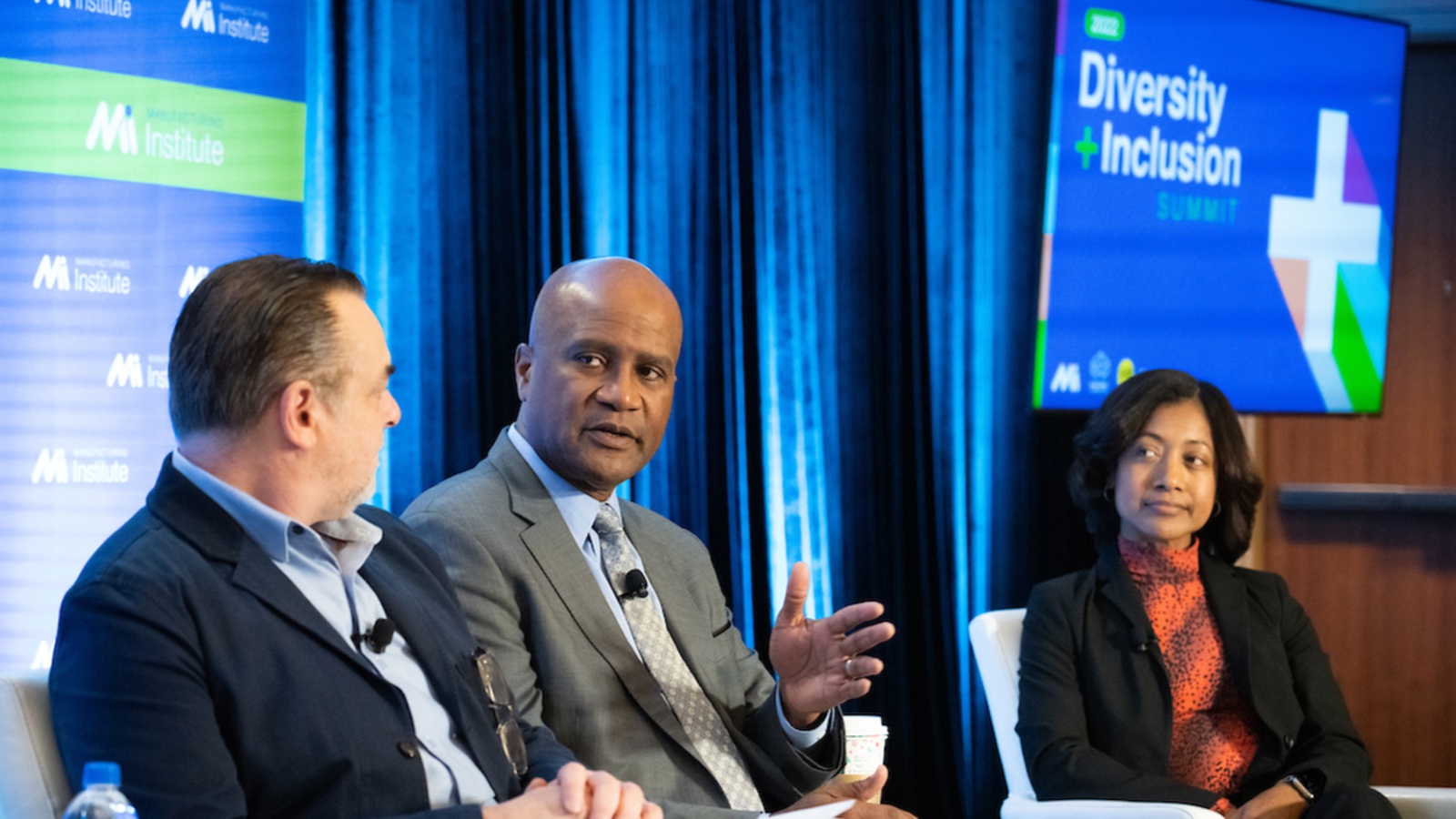
The manufacturing leaders who met in Washington, D.C., this month agreed wholeheartedly: D&I is integral to building and retaining the workforce of tomorrow.
At the third-annual Diversity+Inclusion Summit convened by the Manufacturing Institute, leaders gathered to share data, insights and lessons gleaned from their own D&I efforts. Hailing from many different industry sectors and companies of all sizes, the panelists and attendees laid out concrete actions that can transform companies’ D&I objectives.
Why it matters: With 2.1 million jobs expected to go unfilled in the industry by 2030, manufacturers need to find new populations of potential employees. Recruiting more women, racial and ethnic minorities and neurodiverse workers can expand companies’ talent pools and strengthen their workforces.
- In fact, increasing the current female workforce from 29% to 35% would fill the industry’s 746,000 open jobs all on its own, according to a recent study by the MI and Colonial Life.
- That’s why the MI is working to meet this target through its 35 x 30 Campaign—i.e., increasing the percentage of women in manufacturing to 35% by 2030.
How to do it: The summit offered important tips to help companies boost their D&I efforts, including:
- Get buy-in from company leaders: Research shows that D&I efforts lead to greater productivity, increased innovation and higher revenue—not to mention the recruitment and retention benefits. Once companies set D&I goals, leaders should incorporate D&I objectives into their annual goals to create opportunities for accountability.
- Use employee resource groups in a structured way: Companies should set up organizational structures for their ERGs that will ensure longevity and encourage fresh thinking, as well as align with companies’ overall D&I goals. These groups should have their own budgets and rotating leadership positions. When possible, the contributions of ERG leaders should be included in their incentive programs or annual goals.
- Educate your first-line supervisors about D&I: By training first-line supervisors on the latest in D&I and company-specific objectives, companies can help them both support their teams better and collect feedback to inform the overall effort.
- Offer child care and flexibility: In the post-pandemic environment, companies are still exploring what works best for them, but one thing is clear: to recruit and retain talent in a tight labor market, companies need to provide employees with options. (Check out our recent webinar on the same subject.)
Learn more: Interested in joining the conversation? Check out the MI’s D&I tools and resources, and register for upcoming events, including our upcoming Virtual Diversity+Inclusion Summit on Dec. 16, here. The virtual summit will include some recorded sessions from this event as well.
Future Skills Needs Study: Quick Facts
The Center for Manufacturing Research at the MI recently released a study in partnership with Rockwell Automation and PTC forecasting the skills needs of the manufacturing sector over the next 5 to 10 years.
Here’s what the study found:
- There are 3 major skills needs for the future: data analytics, an agile mindset paired with problem-solving and critical thinking, and interpersonal skills.
- Manufacturers are interested in preparing for upcoming skills needs by connecting with the workforce of the future. (See how the MI is building this workforce with our groundbreaking initiative, Creators Wanted.)
- Manufacturers are intentionally recruiting and promoting segments of the population that have historically been excluded from manufacturing roles or leadership. (Learn how the MI is leading conversations about D&I here.)
- Focusing on corporate culture is a key component of building and maintaining a strong workforce.
- Nearly every company surveyed reported the importance of continuous training for their current worker, i.e. “upskilling”.
Read the full report here.
The Manufacturing Experience: Closing the Gender Gap
The Manufacturing Institute with support from Colonial Life released a new paper that explores what manufacturers are doing to help close the gender gap, incorporating survey responses and interviews with various company executives that identify key insights and practical advice for other manufacturers. To address the workforce shortage, manufacturers need to expand their talent pools, bringing in more diverse and underrepresented candidates.
Women represent a sizable talent pool that manufacturers cannot ignore, especially as the sector becomes more advanced. Earlier this year, the MI launched our 35×30 campaign, which aims to do just that—increase the percentage of women among manufacturers from 29%, where we hover now, to 35% by 2030 by changing perceptions among women and girls about manufacturing as a career, attracting and retaining more female employees.
Read the full report here.
Building the Future Workforce at Rockwell’s Automation Fair
Automation isn’t just changing the manufacturing industry; it’s enabling human-centric progress in tackling the industry’s workforce crisis.
In action: As part of the Automation Fair in Chicago last week, more than 15,000 attendees got to see how manufacturers—and companies like Rockwell Automation—are providing solutions to the shortage, which could reach 2.1 million unfilled jobs by 2030, according to research from the Manufacturing Institute (the workforce development and education partner of the NAM) and Deloitte.
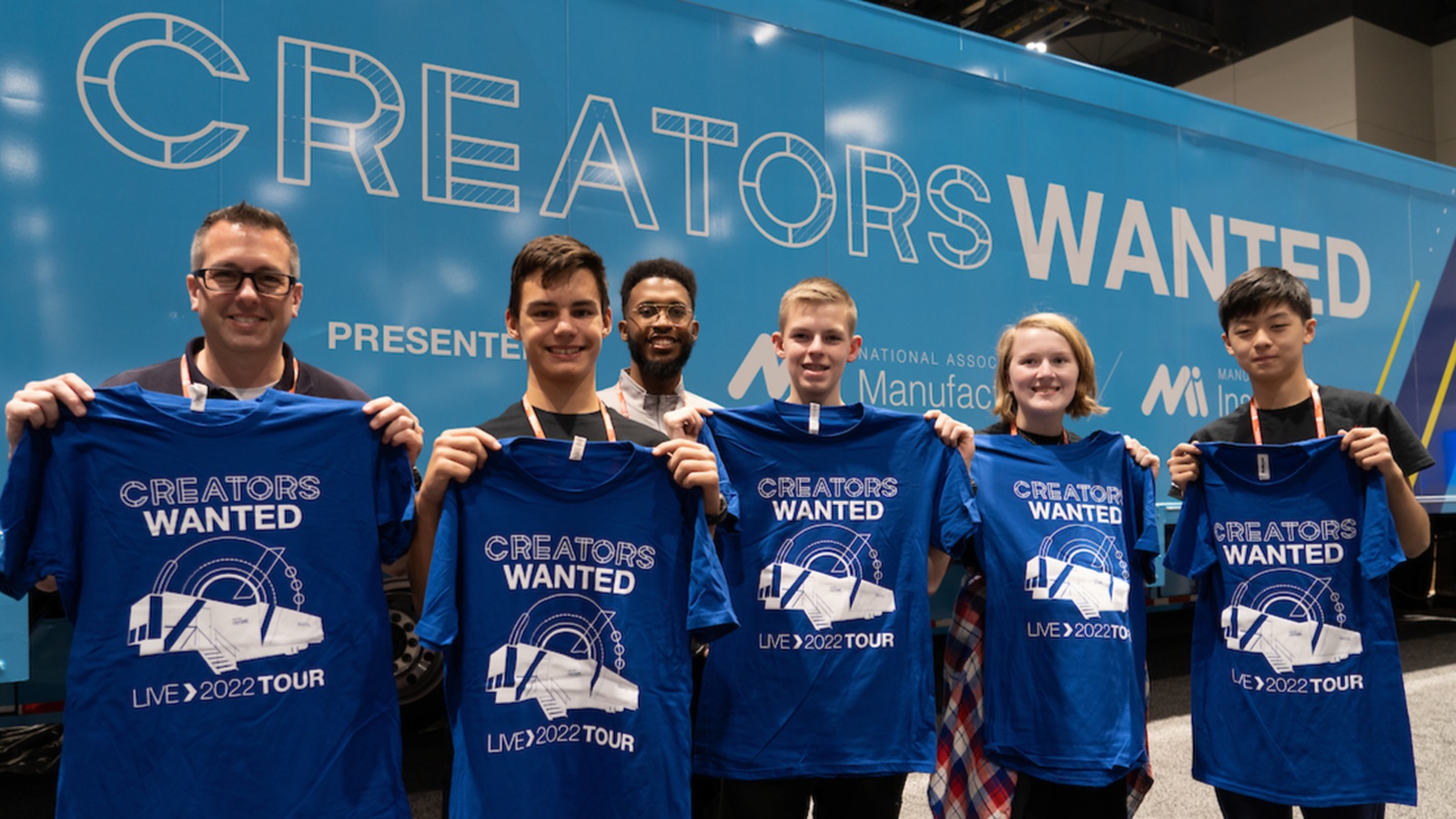
- Rockwell Automation brought the Creators Wanted Tour, a project of the NAM and the MI, to its Automation Fair, giving students, parents, educators and manufacturers the chance to see firsthand how digital transformation and new technologies are supporting careers and opportunities in modern manufacturing.
- The tour’s much-heralded immersive experience, along with displays and programs featuring experts from the MI and the Manufacturing Leadership Council (the digital transformation division of the NAM), gave attendees insight into the pathways and support available in the industry.
- FactoryFix, the official recruiting partner of Creators Wanted, was also on hand to showcase its manufacturing talent platform for job seekers—and manufacturers searching for a one-stop recruiting solution.
Changing perceptions: Creators Wanted aims to shrink the workforce gap by dispelling myths about automation and attracting the next generation to manufacturing jobs. It’s seeing impressive success, MI President Carolyn Lee said during a session at the event.
- “Today 40% of parents have a positive perception of manufacturing,” Lee said, citing a recent joint Deloitte–MI study. “And what we’re finding is that parents see these are durable careers with great possibility and opportunity, and they’re encouraging their children to consider them.”
Digital help: “Digital is going to help manufacturers deal with their workforce issues because it’s going to not only help change the perception of the industry, but create new jobs going forward, particularly in math-intensive areas like data analytics and artificial intelligence,” said MLC Vice President and Executive Director David Brousell.
- Brousell cited the MLC’s “Manufacturing in 2030 Project,” saying, “We have to think about digital transformation as human-centric digital transformation—because we’ve got to bring the technology and the people together simultaneously to have an effective transformation.”
Impressive results: Since it began just more than a year ago, the Creators Wanted Tour has seen more than 8,000 students pass through its immersive mobile experience, where more than 75% of attendees leave with a significantly improved view of manufacturing.
- More than 510,000 students and career mentors have also signed up to learn more about modern manufacturing careers.
- Creators Wanted has recruited successfully both mentors and mentees for the mentorship program of Women MAKE America, an MI initiative that aims to close the gender gap in manufacturing.
- The Automation Fair offered more than 150 interactive sessions on the newest industrial solutions and best practices, and more than 200 companies exhibited across 200,000 square feet at Chicago’s McCormick Place.
Media mentions: The fair and Creators Wanted’s presence drew a slew of media coverage, including from “Morning in America” with Adrienne Bankert, “The John Howell Show” on WLS-AM, Univision Chicago and suburban Chicago’s Daily Herald.
- In addition, the Daily Line published an op-ed on the future of manufacturing by NAM President and CEO Jay Timmons and Rockwell Automation Chairman and CEO and NAM Executive Committee member Blake Moret.
The last word: “As the world’s largest company dedicated to industrial automation and digital transformation, Rockwell is always looking toward the future of manufacturing,” Moret said. “Campaigns like Creators Wanted are critical to recruiting the best future talent to create a thriving workforce.”
MI President Carolyn Lee Talks Workforce Development
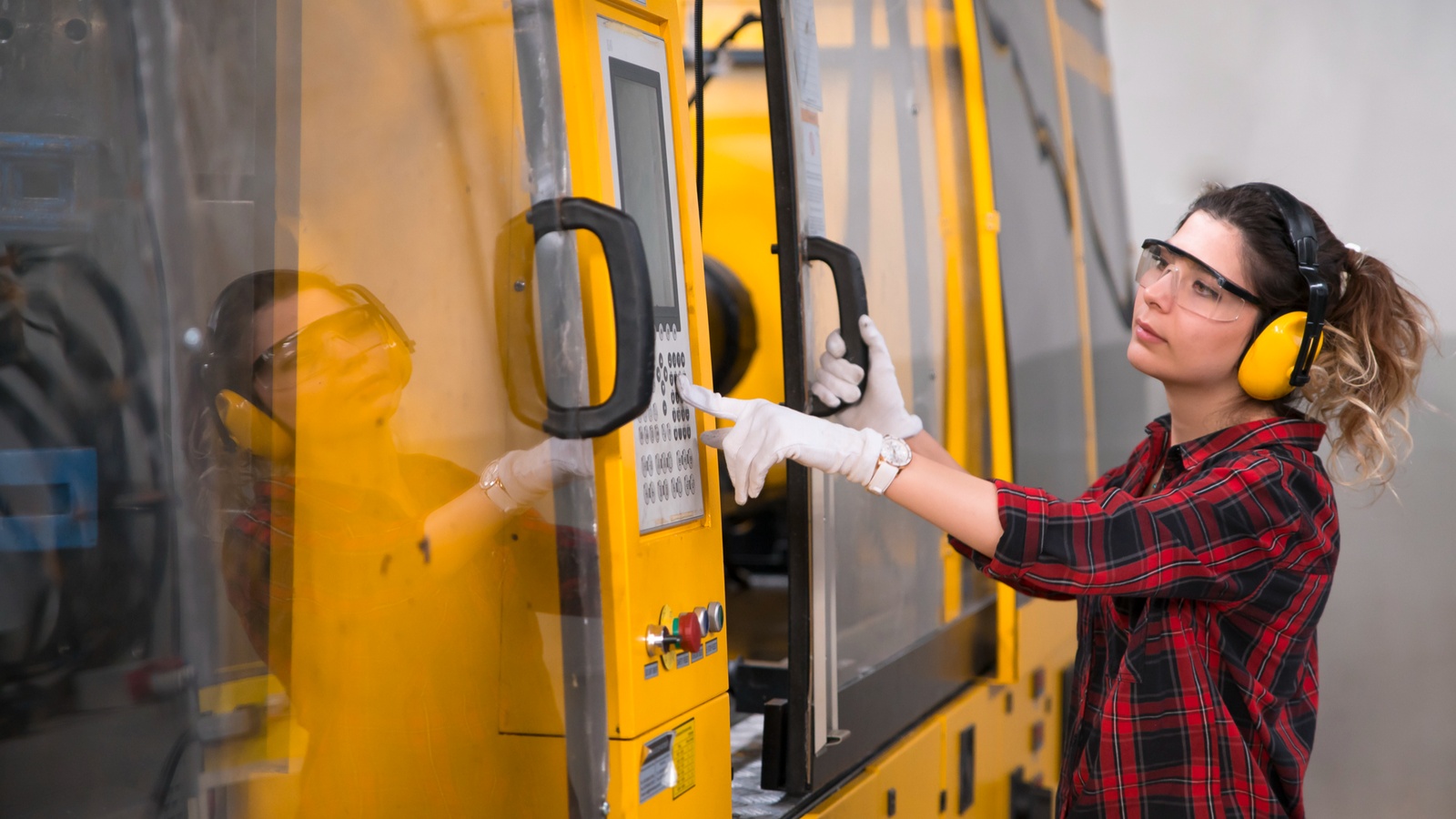
Manufacturers continue to face an alarming workforce shortage—which could result in 2.1 million unfilled jobs by 2030, according to a study by The Manufacturing Institute and Deloitte.
The MI—the workforce development and education partner of the NAM—is working hard to fill that gap. MI President Carolyn Lee spoke at the Made in Connecticut: 2022 Manufacturing Summit last week about how manufacturers are taking on this critical issue and what lies ahead.
The challenge: “One of the biggest long-term issues our industry is confronting is the perception problem,” said Lee. “Many Americans—usually parents—cling to the belief that the manufacturing industry is not a place where people can find satisfying, well-paying lifelong careers. … Our industry needs to overcome this perception and grow the supply of young workers.”
Making progress: “That brings me back to good news: perceptions are changing,” said Lee. “Thanks to movements like MFG Day, and campaigns like the National Association of Manufacturers and The Manufacturing Institute’s ‘Creators Wanted’ campaign, which is touring the country right now, we are moving the needle.”
- “We’re showcasing modern manufacturing as we know it to be: exciting, rewarding, clean and high-tech,” said Lee. “Thanks to these efforts, the positive perception of manufacturing among adults in the past few years has grown from 27% to 40%.”
Promoting programs: Lee spoke about a range of programs offered by the MI that are designed to help build an expansive and inclusive manufacturing workforce. These programs include:
- Women MAKE America, formerly known as the STEP Ahead program, which supports women in manufacturing;
- Heroes MAKE America, which eases the transition to civilian careers for veterans and other members of the military community; and
- FAME, which was originally founded by Toyota before transitioning over to the MI in 2019, and which offers an “earn and learn” apprenticeship experience.
Pushing policy: Lee noted the importance of ensuring that government policy is aligned with the needs and realities of the manufacturing industry. She also highlighted elements of “Competing to Win”—the NAM’s policy blueprint for bolstering manufacturers’ competitiveness. Proposed policies include:
- Reorienting the education system and its funding around a skills and employer-involved model;
- Updating federal tax policy to encourage and reward companies that invest in upskilling their employees; and
- More federal investments in apprenticeship models.
The last word: “Our industry’s strength and competitiveness will be determined by the strength of our workforce,” said Lee. “After all, they are the creators who pioneer and produce lifechanging electronics or lifesaving medicines. They are innovating and building the machines that transform human mobility, improve quality of life or bolster our national defense.”
Learn more: Find out more about the MI’s vital work here.