Final Heavy-Duty Tailpipe Rule Presents Challenges
The Environmental Protection Agency’s new heavy-duty tailpipe emissions rule is unrealistic and unfeasible, the NAM said Friday.
What’s going on: “The rule—proposed in April 2023—is part of the ‘Clean Trucks Plan’ unveiled in 2023, which includes light-duty tailpipe and nitrogen oxide rules,” Bloomberg Law (subscription) reports.
- “The[se] ‘Phase 3’ standards build on previous phases of a broader regulatory program to stem greenhouse gas emissions from vehicles such as delivery trucks, long-haulers, and buses.”
- The Phase 1 rule was finalized in 2011, and the Phase 2 rule in 2016.
Why it’s problematic: While the new regulation grants automakers more time for implementation than previous versions did—thanks to input from manufacturers and their advocates, including the NAM—it still “fails to reconcile with the realities of current U.S. infrastructure,” according to an NAM social post.
- “Critical permitting reforms to strengthen transmission systems and a technology-neutral approach for manufacturers are essential to reaching U.S. climate goals,” the NAM wrote.
What should be done: Congress must reform the broken U.S. permitting system so we can build the electric vehicle charging station infrastructure required to implement a rule of this magnitude, the NAM said earlier this month.
DOE to Award Record-Setting Decarbonization Funds
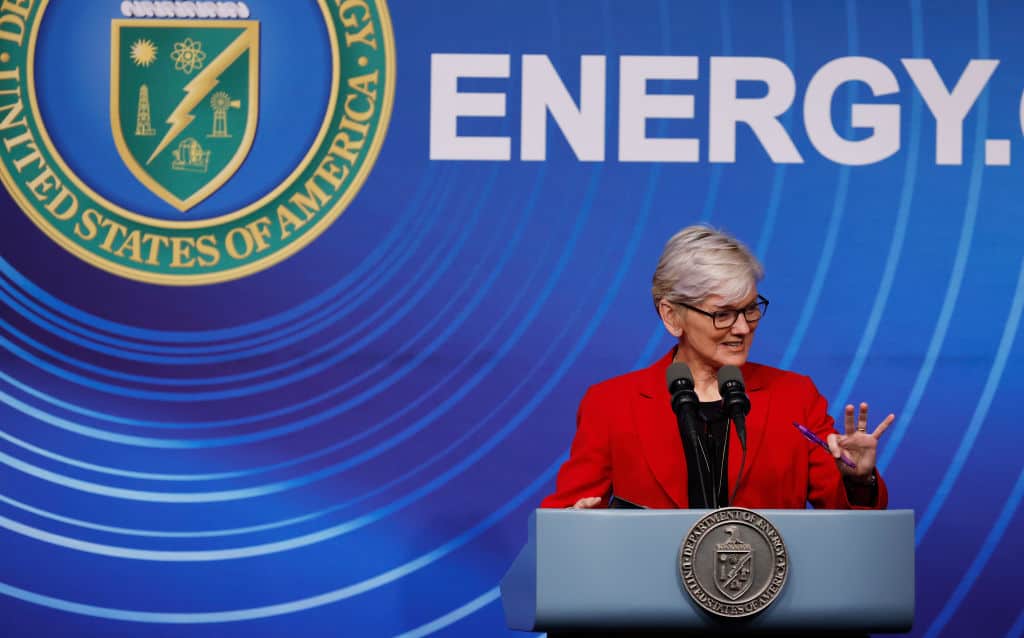
The Department of Energy on Monday announced record-setting funding aimed at decarbonizing energy-intensive sectors, POLITICO Pro (subscription) reports.
What’s going on: The nearly $6 billion in “funding from the Democrats’ climate law and the bipartisan infrastructure law for industrial decarbonization will be spread across 33 projects and 20 states,” where it “will apply to some of the highest-emitting industrial manufacturing sectors—often described as ‘hard-to-decarbonize’ industries—including iron and steel, aluminum, cement, concrete, chemicals, food and beverages, and pulp and paper.”
Where it’s coming from: The money will be drawn from funds set aside under the Inflation Reduction Act ($5.47 billion) and the Bipartisan Infrastructure Law ($489 million).
Why it’s important: The many projects to be funded—which include groundbreaking recycling initiatives, hydrogen-use projects, decarbonization of thermal processes and more—will remove approximately 14 million metric tons of emissions every year, the DOE estimates.
- Five of the highest-dollar-value projects, at half a billion dollars each, “are focused on decarbonizing cement, concrete, aluminum, iron and steel.”
- The work will take place in five states—Indiana, Ohio, California, Iowa and Mississippi—and a still-to-be-determined spot on the Mississippi River Basin.
- Many of the projects are spearheaded by NAM members, who have been critical in innovating decarbonization efforts from within the industry.
The NAM’s take: “Manufacturers are innovating and making tremendous investments to decarbonize their processes and products,” said NAM Vice President of Domestic Policy Brandon Farris. “It is great to see the Department of Energy recognize multiple NAM members for their industry-leading initiatives.”
Baltimore Bridge Collapse to Hit Shipping, Port Jobs
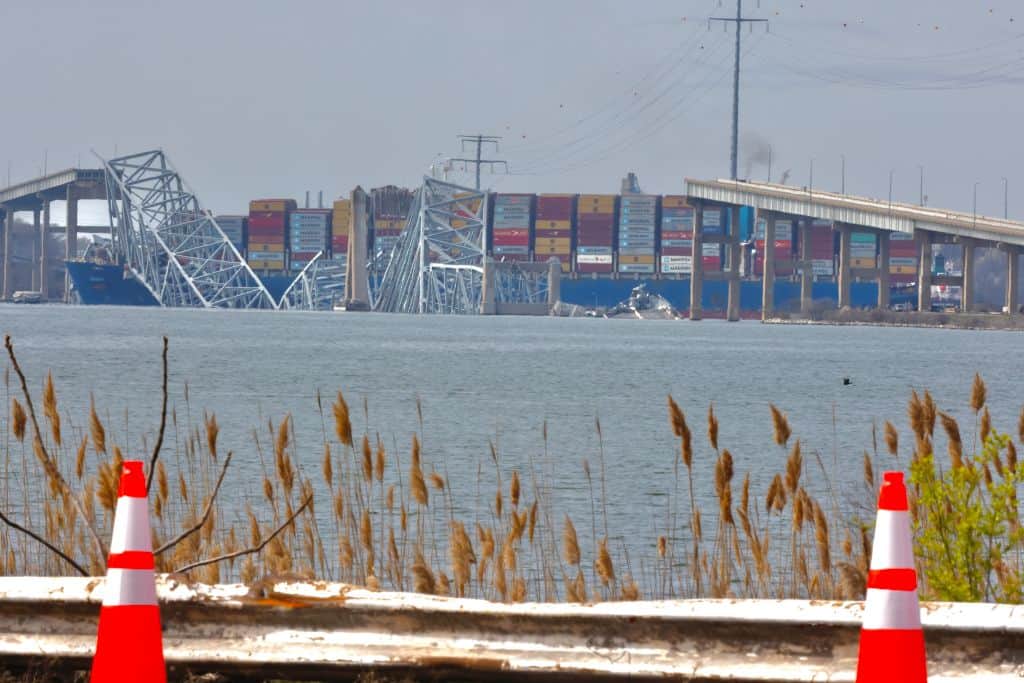
Vessel traffic in and out of the Port of Baltimore—which contributes $15 million a day in economic activity, Business Insider reports—was suspended Tuesday after a container ship hit the Francis Scott Key Bridge in the early morning. The collision caused the bridge to collapse, sending at least seven vehicles and their occupants into the Patapsco River, according to the Baltimore Sun (subscription).
What’s going on: “Officials, who spoke amid a continuing and massive search and rescue mission, said the port was not shut down and remained open to process trucks inside terminals.”
- Other ports are likely to be able to absorb container ships headed for Baltimore, The New York Times (subscription) reports.
Why it’s important: “The port, which generates more than 15,300 direct jobs, had rebounded from global supply chain difficulties and disruptions during the coronavirus pandemic and hit records last year for handling cargo,” according to the Baltimore Sun. “It is the nation’s 16th busiest port, ranking first for volume of autos and light trucks, roll-on/roll-off heavy farm and construction machinery, imported sugar and imported gypsum.”
- Baltimore is the closest Atlantic port to major Midwestern manufacturing hubs.
- Truckers are concerned about increased congestion resulting from the closure, “particularly because deliveries such as hazardous material loads cannot travel through Interstate 895 or I-95 tunnels.” Trucking companies are already warning customers of delays for shipments going through the Mid-Atlantic, according to The Wall Street Journal (subscription).
- In addition to affecting consumers in the Baltimore area, the traffic stoppage is likely to affect jobs at the port.
Manufacturers on Emissions Standards: Challenges Still Lie Ahead
Washington, D.C. – Following the Environmental Protection Agency’s release of new automobile emissions standards, National Association of Manufacturers President and CEO Jay Timmons released the following statement:
“Auto manufacturers in America make enormous investments to both improve the efficiency of their vehicles and provide numerous options for consumers. While it is clear the EPA listened to manufacturers’ concerns about the timeline of this rule, challenges still lie ahead. Successful implementation of this policy will still require congressional action on the permitting reforms needed to build the charging infrastructure to support this transition. That includes the ramping up of electricity production and developing a reliable domestic supply of critical minerals.
“Manufacturers will continue to engage with EPA Administrator Regan and President Biden as a more realistic standard is needed to harmonize this rule with other regulations governing vehicle emissions so that we can grow the sector in the United States.”
-NAM-
The National Association of Manufacturers is the largest manufacturing association in the United States, representing small and large manufacturers in every industrial sector and in all 50 states. Manufacturing employs nearly 13 million men and women, contributes $2.85 trillion to the U.S. economy annually and accounts for 53% of private-sector research and development. The NAM is the powerful voice of the manufacturing community and the leading advocate for a policy agenda that helps manufacturers compete in the global economy and create jobs across the United States. For more information about the NAM or to follow us on Twitter and Facebook, please visit www.nam.org.
NAM Poll Shows Americans Overwhelmingly Oppose LNG Export Pause; Support All-of-the-Above Energy Approach
Houston, Texas – The National Association of Manufacturers released the results of a new poll today showing bipartisan opposition to the Department of Energy’s freeze on export permits for new liquified natural gas projects. Respondents also strongly believe that the United States should pursue an all-of-the-above energy strategy, which includes supporting our global allies by providing cleaner, American-produced natural gas.
“The American public agrees: LNG exports are critical to U.S. energy security, creating well-paying jobs and supporting our allies in Europe and Asia. This poll underscores the need for President Biden to immediately direct the Department of Energy to roll back this misguided and counterproductive policy,” said NAM President and CEO Jay Timmons. “President Biden’s manufacturing legacy is at risk if the DOE and other federal agencies continue to act in direct contradiction to the stated goals of the president and the American people of bolstering manufacturing competitiveness in the U.S.”
The NAM analytics team conducted the poll March 15–18 and collected 1,000 responses from a nationwide sample of registered voters.
Key Findings:
- 87% of respondents agree the U.S. should continue to export natural gas.
- 76% of respondents agree with building more energy infrastructure, such as port terminals, here in the U.S.
- 74% of respondents agree with boosting production of domestic oil and natural gas in the U.S. instead of depending heavily on foreign energy sources.
- 72% of respondents prefer that American energy policy use an all-of-the-above strategy that includes oil and natural gas and renewable energy sources.
- 86% of respondents agree that we should change the permitting system so it doesn’t take so long for new energy infrastructure projects to be approved.
Background: On Jan. 26, the DOE announced a freeze on export permits for new LNG projects. Europe is the primary destination for U.S. LNG, accounting for 67% of total exports in the first six months of 2023. According to the DOE, Russian natural gas exports have 40% more global warming potential than U.S. LNG across 20 years. Russian gas also had 20% more global warming potential than European coal.
Read the full poll results here.
-NAM-
The National Association of Manufacturers is the largest manufacturing association in the United States, representing small and large manufacturers in every industrial sector and in all 50 states. Manufacturing employs nearly 13 million men and women, contributes $2.85 trillion to the U.S. economy annually and accounts for 53% of private-sector research and development. The NAM is the powerful voice of the manufacturing community and the leading advocate for a policy agenda that helps manufacturers compete in the global economy and create jobs across the United States. For more information about the NAM or to follow us on Twitter and Facebook, please visit www.nam.org.
Americans Oppose LNG Export Pause, NAM Poll Finds
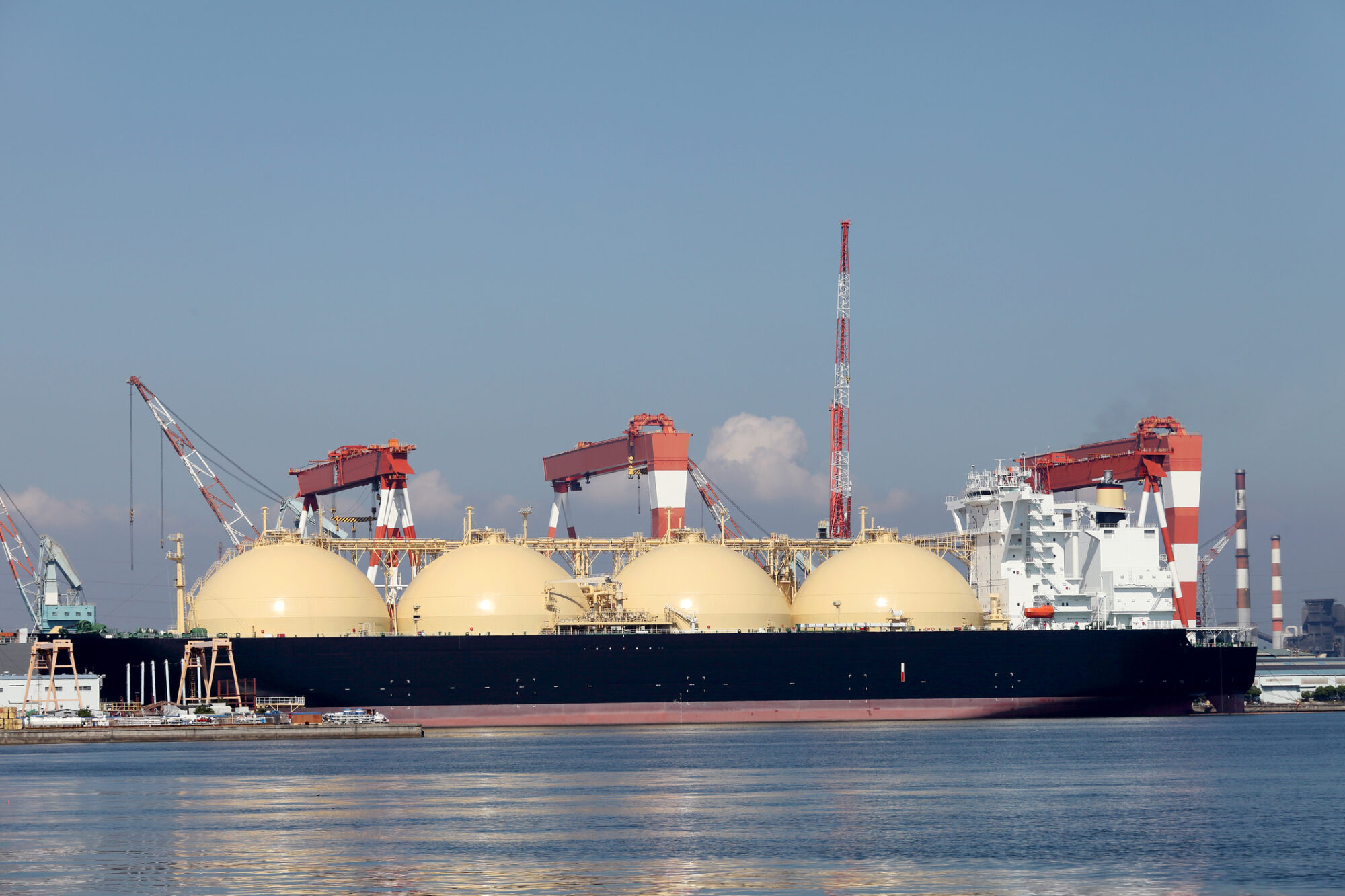
Americans overwhelmingly support exporting U.S. natural gas, a new NAM poll reveals.
What’s going on: In addition to wanting continued exports of LNG, respondents believe the U.S. must boost its production of oil and natural gas, build more energy infrastructure and reform the broken permitting system, according to the findings of an NAM survey of 1,000 registered voters conducted March 15–18.
- In January, the Biden administration announced a moratorium on LNG export permits.
- Europe is the primary destination of exported U.S. LNG.
The details: Among the survey’s key findings:
- Some 87% believe the U.S. should continue exporting natural gas.
- About 86% say the permitting system must be changed so energy projects are approved and online in less time.
- Approximately 76% say the U.S. needs more energy infrastructure, such as port terminals.
- About 74% say the U.S. needs to increase domestic oil and natural gas production.
- And 72% would like to see the U.S. use an all-of-the-above energy approach that includes both traditional and renewable energy sources.
The last word: “The American public agrees: LNG exports are critical to U.S. energy security, creating well-paying jobs and supporting our allies in Europe and Asia,” said NAM President and CEO Jay Timmons.
- “This poll underscores the need for President Biden to immediately direct the Department of Energy to roll back this misguided and counterproductive policy.”
Dockworker Labor Talks to Restart Amid Tension
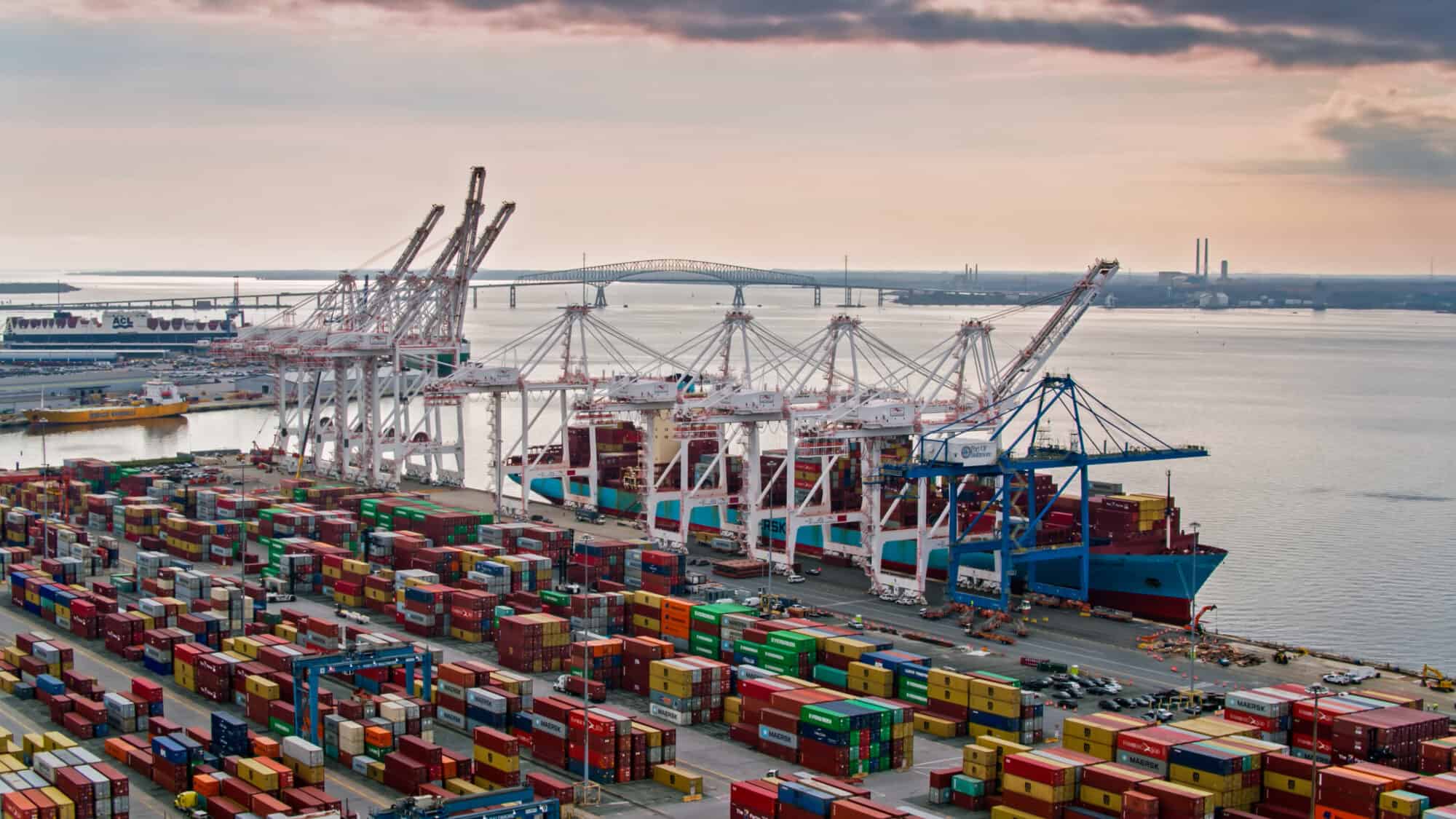
Contract talks between dockworkers and their employer on the East and Gulf coasts have yet to begin, but tensions are already flaring, The Wall Street Journal (subscription) reports.
What’s going on: “The International Longshoremen’s Association … is already threatening a strike against shipping companies and port employers if a deal on a new multiyear contract can’t be reached before the current agreement expires Sept. 30.”
- The ILA, which represents more than 45,000 dockworkers “at ports from Maine to Texas, has told local chapters to resolve local work issues with employers by May 17 so that a coast-wide deal can be negotiated before the current contract expires. Formal negotiations would be scheduled once the local agreements are reached.”
- Talks began in late 2022 but stalled a year ago.
The background: In September, after 14 months of often-tumultuous negotiations and several walkouts and work stoppages, West Coast dockworkers reached an agreement with their employer, the Pacific Maritime Association.
- The Biden administration stepped in to help broker that deal.
Why it’s important: “Any walkout would hit the gateways in the middle of the busiest part of the shipping season, when retailers and other importers prepare for holiday consumer sales.”
- To avoid potential delays, East Coast importers are expected to bring in holiday-season goods early this year or send more goods from Asia to the U.S. via West Coast ports.
- The large wage increases ILA is said to be pursuing could prove difficult for carriers to sustain, given the post-pandemic decline in freight demand.
U.S. “Very Concerned” About Critical Minerals
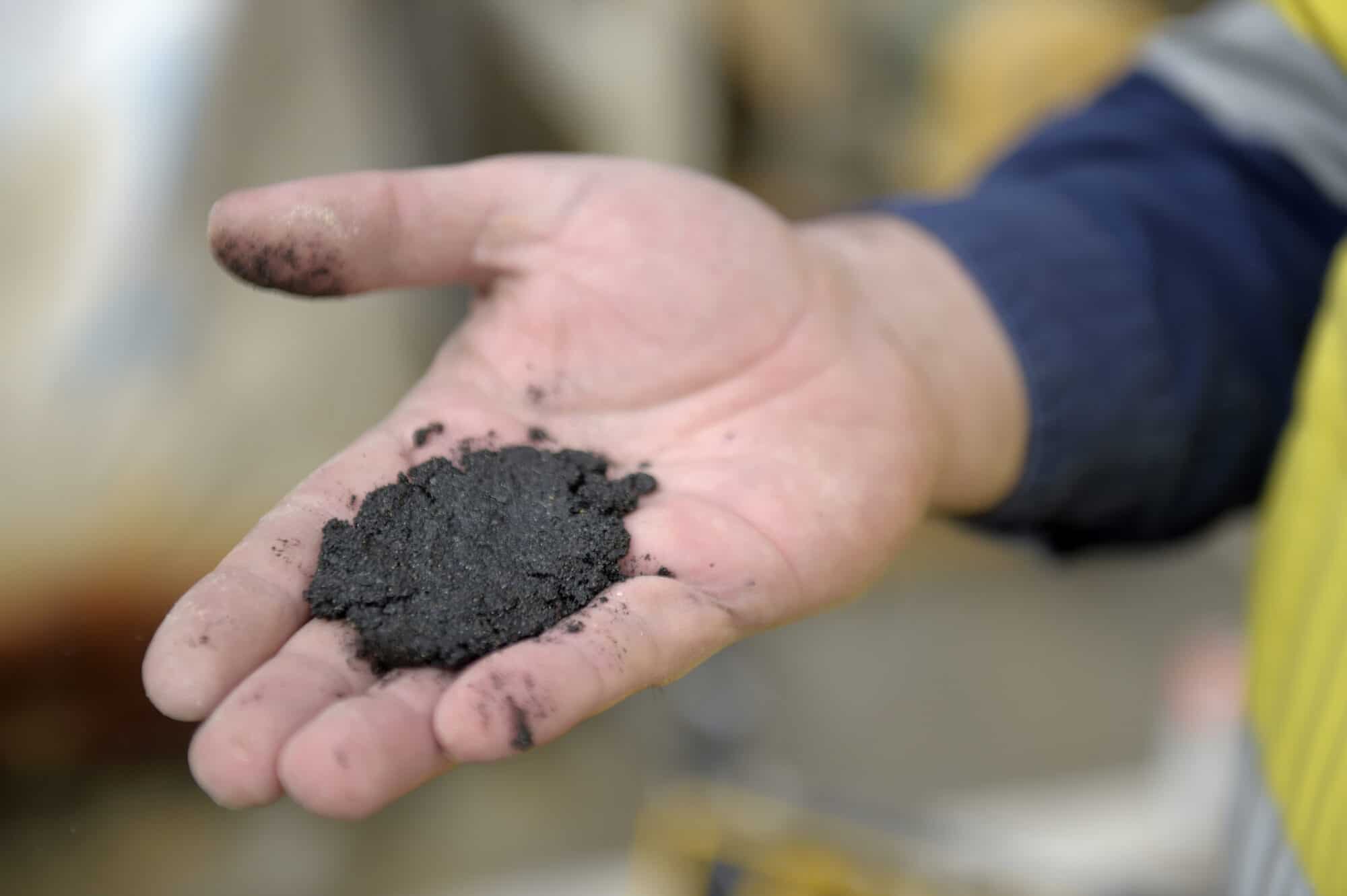
The Biden administration is “very concerned” about U.S. reliance on China for critical minerals, U.S. Energy Secretary Jennifer Granholm said Wednesday, according to CNBC.
What’s going on: China’s dominance in the world’s critical minerals supply chain is “one of the pieces of the supply chain that we’re very concerned about in the United States,” Granholm told the news outlet on the sidelines of the International Energy Agency’s 2024 Ministerial Meeting in Paris.
- China produces approximately 60% of all rare earth elements, which are critical to alternative-energy technologies, such as electric vehicles.
Why it’s important: “As part of a rapid uptick in demand for critical minerals, the IEA has warned that today’s supply falls short of what is needed to transform the energy sector,” according to the article.
What the administration is doing: Both production and processing of critical minerals “have to be addressed,” Granholm said.
- “And that’s why we are working very closely to ensure that we have identified which raw materials [or] critical minerals we need to be able to do our transition to a clean energy economy.”
The NAM says: “Other countries are taking all possible measures to develop domestic sources of critical minerals, and it should be a wake-up call to the U.S. that we need to be doing the same,” said NAM Vice President of Domestic Policy Brandon Farris. “We also need to reform our broken permitting system to get these projects operational as soon as possible.”
Manufacturers: New EPA Rule Directly Undermines President’s Manufacturing Agenda
Washington, D.C. – Following the decision by the Environmental Protection Agency to lower the National Ambient Air Quality Standards for fine particulate matter (PM2.5) to 9 micrograms per cubic meter, National Association of Manufacturers President and CEO Jay Timmons released the following statement:
“The Biden administration’s new PM2.5 standard takes direct aim at manufacturing investment and job creation, in direct contradiction to the president’s stated goal of strengthening manufacturing in communities all across America.
“The new standard of 9 and the EPA’s paltry 60-day implementation window will guarantee projects currently under permitting review will have to comply with this onerous decision, making an already gridlocked permitting system further gridlocked.
“Manufacturers in America will also be hard pressed to make long-term investment plans domestically as our global competitors have set more reasonable goals. The EU standard is currently 25, and a proposal there would be to reach 10 by 2030. The UK has a target of 10 by 2040.
“Governors and mayors will now have to make difficult decisions under this untenable standard. New manufacturing investments envisioned by the CHIPS and Science Act, the Bipartisan Infrastructure Law and the energy provisions of the Inflation Reduction Act will be subject to these new requirements. This revised standard will force some communities to choose which—if any—investments can proceed without running afoul of the EPA’s decree.
“By implementing such a radical standard here, our country is ceding our competitive advantage with an unforced error. All of these choices could have been avoided with a more sensible standard and a longer implementation runway.
“The EPA itself says that some 70% of particulate matter comes from nonmanufacturing sources, such as wildfires (29%), agriculture and prescribed fires (15%), crop and livestock dust (12%), unpaved road dust (10%), paved road dust (3%) and “dust” (2%). Before forcing actions that will curtail manufacturing investment and infrastructure development, the federal government should first determine how to deal with what is occurring naturally.
“To be sure, manufacturers proudly stood up for funding in the Bipartisan Infrastructure Law, CHIPS and Science Act investments and many of the policy provisions outlined in the IRA. But there is no doubt that our country will be unable to realize the benefits of these legislative accomplishments with this new rule in place. As counties and cities find themselves in nonattainment, this grave mistake will drive investment away from the United States, derail permitting and weaken the economy for all.
“The U.S. already has some of the strictest air standards in the world, and thanks to manufacturers’ innovation and leadership, some of the cleanest air and best environmental records. Manufacturers will consider all options to reverse this harmful and unnecessary standard, because it is our duty to stand against policies that hold our country back.”
Background:
Per the EPA: Nonattainment is any area that does not meet (or that contributes to ambient air quality in a nearby area that does not meet) the national primary or secondary ambient air quality standard for NAAQS.
The EPA recently reported that PM2.5 concentrations have declined by 42% since 2000, driven by major emissions reductions from both mobile sources and the power sector. As a result, America’s air is cleaner than ever.
-NAM-
The National Association of Manufacturers is the largest manufacturing association in the United States, representing small and large manufacturers in every industrial sector and in all 50 states. Manufacturing employs nearly 13 million men and women, contributes $2.85 trillion to the U.S. economy annually and accounts for 53% of private-sector research and development. The NAM is the powerful voice of the manufacturing community and the leading advocate for a policy agenda that helps manufacturers compete in the global economy and create jobs across the United States. For more information about the NAM or to follow us on Twitter and Facebook, please visit www.nam.org.
NAM Pushes for Transparent Conclusion of Tariff Review
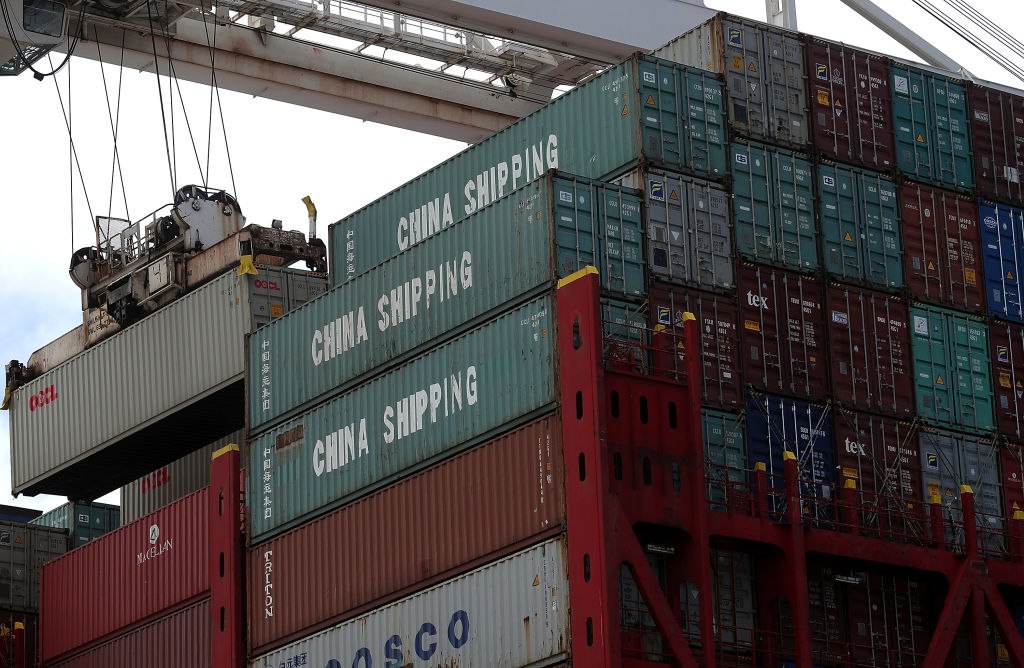
The Biden administration is nearing the end of a lengthy review on whether to adjust or extend tariffs on a variety of goods and materials from China—and the NAM is working to make sure manufacturers’ voices are heard.
The background: Following a 2017 investigation into China’s trade practices, the Trump administration put in place a set of levies on imported goods from China—called Section 301 tariffs—intended to incentivize change in practices by China that were found by the Office of the U.S. Trade Representative to be “unreasonable or discriminatory.”
- These included policies and practices related to technology transfer, intellectual property and innovation.
The review: In May 2022, USTR initiated a legally required four-year review of the Section 301 tariffs that focused on tariff efficacy in changing Chinese discriminatory practices and the impact of the tariffs on the U.S. economy, workers and consumers, among other considerations.
- More than 18 months later, the review remains unfinished. The NAM is urging USTR to finish and publish it—and to take actions that reduce the burdens on manufacturers while maintaining appropriate leverage to incentivize China to adhere to bilateral and multilateral commitments.
- “Ideally, USTR will conclude the four-year review in the next few weeks and make the results public,” said NAM Senior Director of International Policy Ali Aafedt. “We would like to see the results reflect the 1,498 public submissions USTR received during the process and the reduction or removal of some of the tariffs that are harming manufacturers in the U.S. more than they’re creating leverage on China.”
The exclusions: There are 429 existing exclusions from the tariffs—including 77 COVID-19-related products and 352 reinstated exclusions—which are in effect through May 31.
- The NAM has also been pushing for a new process that allows manufacturers to ask the government to exclude specific products they need from the tariffs.
- “The NAM has been calling for a new, fair and transparent Section 301 tariff exclusion process that would allow all U.S. stakeholders an opportunity to seek relief or weigh in on the existing tariffs,” said Aafedt. “The last opportunity to petition USTR for relief from Section 301 tariffs was in 2020, and a new exclusion process will help to better align the tariffs with U.S. economic goals.”
The outlook: Reports such as this one from The Wall Street Journal indicate that the Biden administration will look to rebalance the tariffs, potentially reducing those that are not in the U.S. interest and raising tariffs on other items, including, potentially, on imports from China in the electric vehicle and battery sectors.
- “The NAM will continue to push for a more strategic approach,” said Aafedt.
If your company has interest in a specific existing exclusion, USTR is seeking feedback here by Feb. 21.