Manufacturing Output Hits All-Time High, Signaling Industry’s Strength
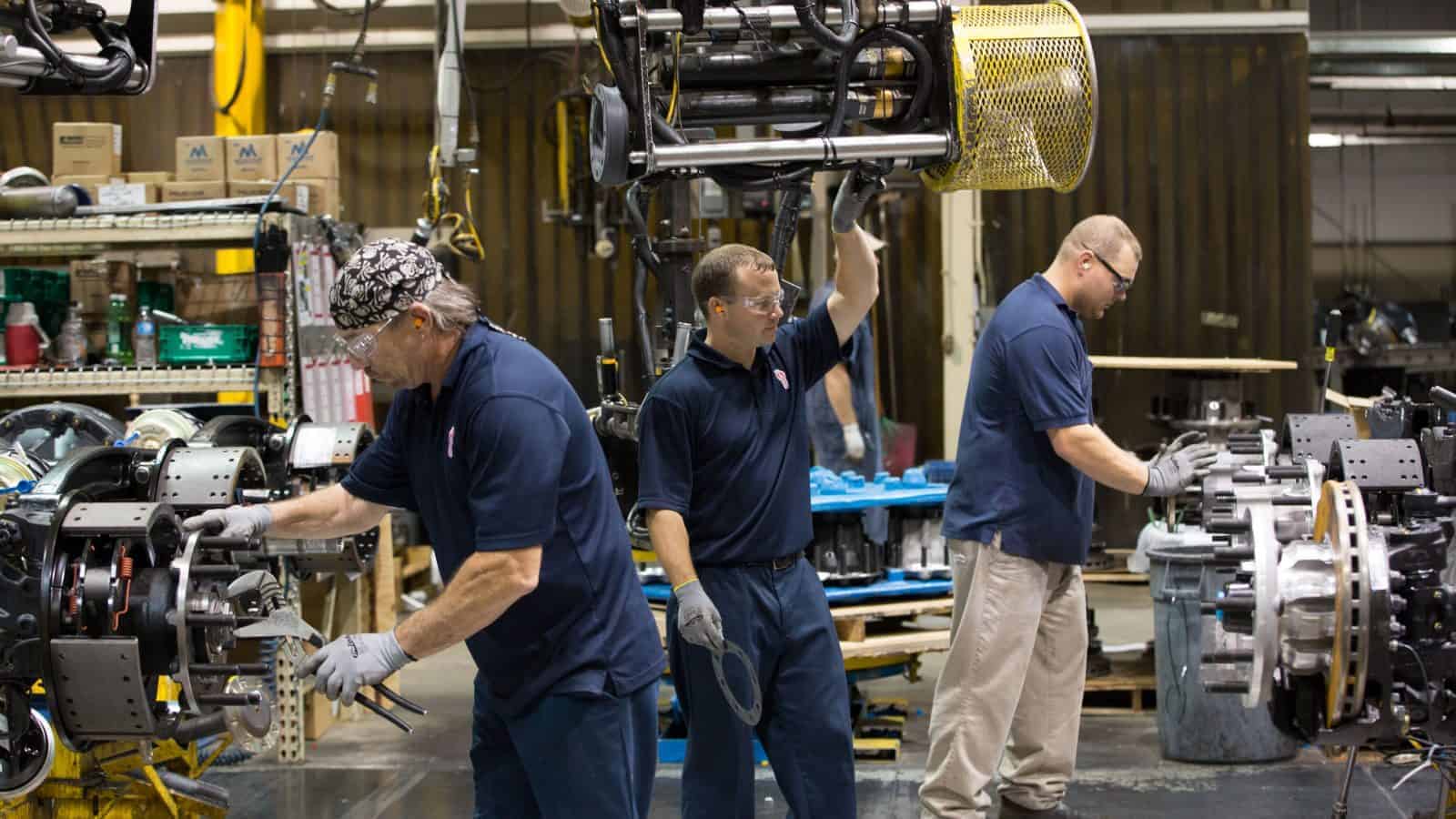
For the past two years, manufacturers have been setting new records when it comes to manufacturing output, and through the first quarter of 2019, the industry has continued to reach new heights.
Four out of five manufacturers remain positive about their company’s outlook, according the National Association of Manufacturers’ latest Outlook Survey, and new Bureau of Economic Analysis (BEA) data find that manufacturers’ level of output hit an all-time high once again. As noted in the recent BEA report, manufacturers produced a total of $2.3852 trillion worth of goods for the economy in the first quarter of 2019, up from $2.3845 trillion in the fourth quarter of 2018.
“Manufacturing output has consistently set new records since the beginning of 2017, and while we have seen softer data so far in 2019 than we might prefer, I would continue to expect the sector to hit new all-time highs throughout the rest of this year,” the NAM’s Chief Economist Chad Moutray said.
In fact, manufacturing accounted for 11.3 percent of real GDP in the first quarter of 2019—and the industry continues to have the largest economic multiplier of any major sector.
“At a time when conventional wisdom holds that the sector is less important than it once was, all of these data show manufacturing in the United States is alive and kicking, producing more goods than ever and continuing to be a bright spot in the economy,” Moutray said.
The industry’s continued success has created many new jobs as well. Manufacturing job openings were also at an all-time high in May with 509,000 open jobs, according to the Bureau of Labor Statistics’ Job Openings and Labor Turnover Survey. This solid job creation is actually exacerbating an existing challenge in the industry: a lack of enough skilled workers.
Manufacturers could have 2.4 million unfilled jobs by 2028 unless the right steps are taken today to build the workforce of tomorrow. The NAM and The Manufacturing Institute are leading the way toward solving this workforce crisis, and they have launched a $10 million Creators Wanted campaign, which plans to fill 600,000 manufacturing jobs by 2025.
Manufacturers Stand Up for Employee Freedoms
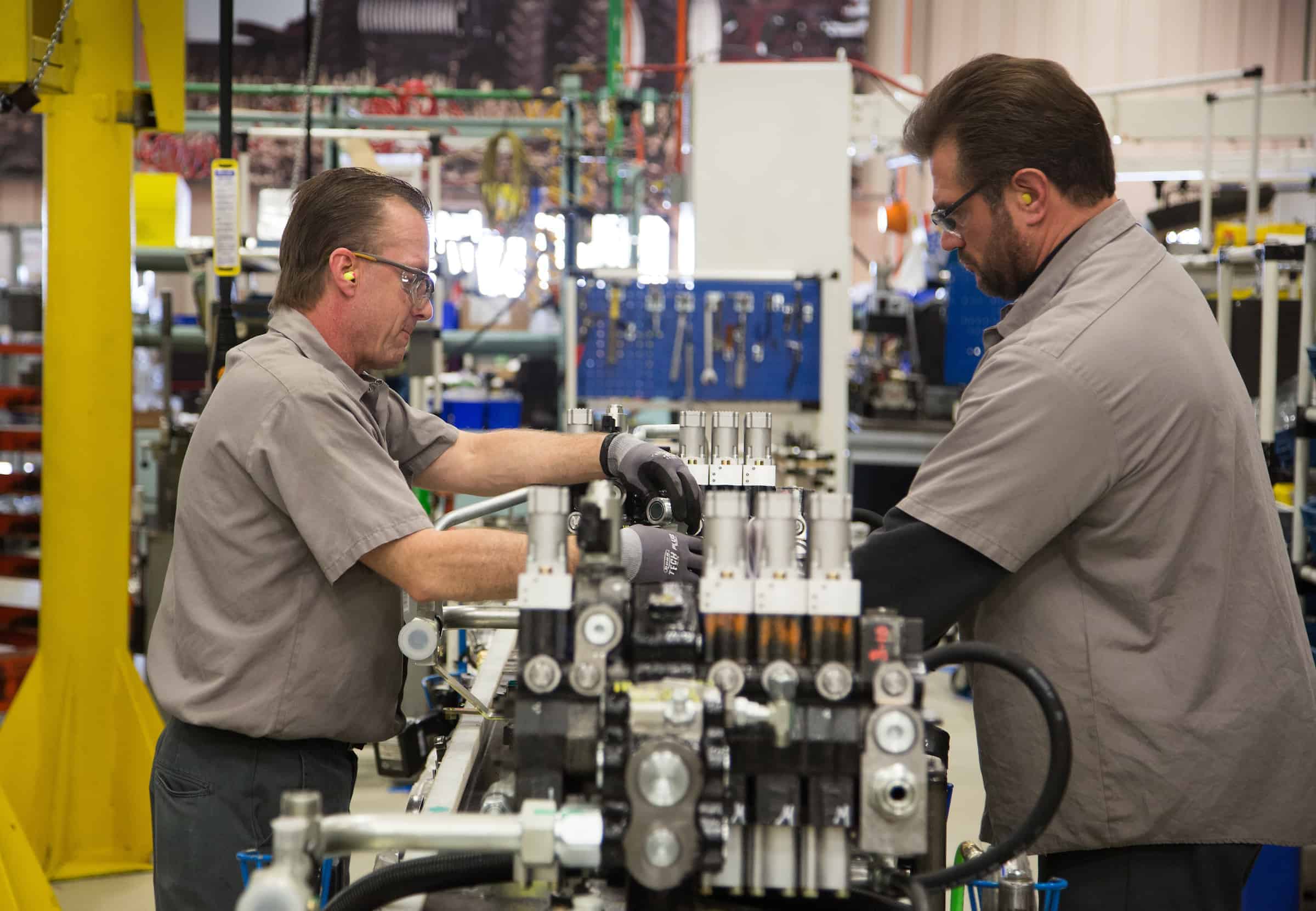
The U.S. House of Representatives held a hearing yesterday on a bill that could negatively impact American workers’ freedoms and lead to fewer jobs. Heavily backed by large labor unions throughout the drafting process, the Protecting the Right to Organize Act would give sweeping new powers to unions while putting constraints on individual employees, small and local businesses, entrepreneurs and consumers.
The legislation includes provisions that would strip away workers’ free choice in union elections and eliminate “right-to-work” protections for workers across the country. This would even include the 27 states that have already passed right-to-work laws—rolling back these states’ democratic decisions and forcing workers across the country to pay union fees out of their own pockets—even when they don’t support it. In addition, the legislation could interfere with attorney-client confidentiality and make it harder for businesses to secure important legal advice on matters involving complex labor law.
“This legislation has the potential to harm workers across the country—and presupposes that a sweeping federal law can better achieve fairness and prosperity for individual states, businesses and workers than decisions made by those entities themselves,” said Callie Harman, director of labor policy at the National Association of Manufacturers. “This is a legislative wish list for unions that would damage employees’ rights to privacy and association, limit businesses’ ability to grow and hire, and put in place policies that have already been rejected in the courts. Legislation like this threatens the very industries that benefit our communities and strengthen our country.”
Manufacturers nationwide are speaking out against the bill, saying that the legislation strips workers of essential rights and ignores the dangerous consequences for the United States economy. They warn that if the legislation were to be adopted, it would tilt the playing field in favor of union organizers and against workers and employers while increasing the authority of unelected bureaucrats in Washington at the expense American free enterprise.
“At a time when the manufacturing industry is showing record output and fueling a strong economy, these changes could upend progress and slam the brakes on our economic success,” said Harman. “Workers deserve the kind of opportunity that the manufacturing industry is making possible, and we will continue to fight for that freedom in the face of these challenges.”
Tax Reform Helps Create 170 Jobs in Ohio and Indiana
BWX Technologies, Inc. is growing its workforce thanks to tax reform.
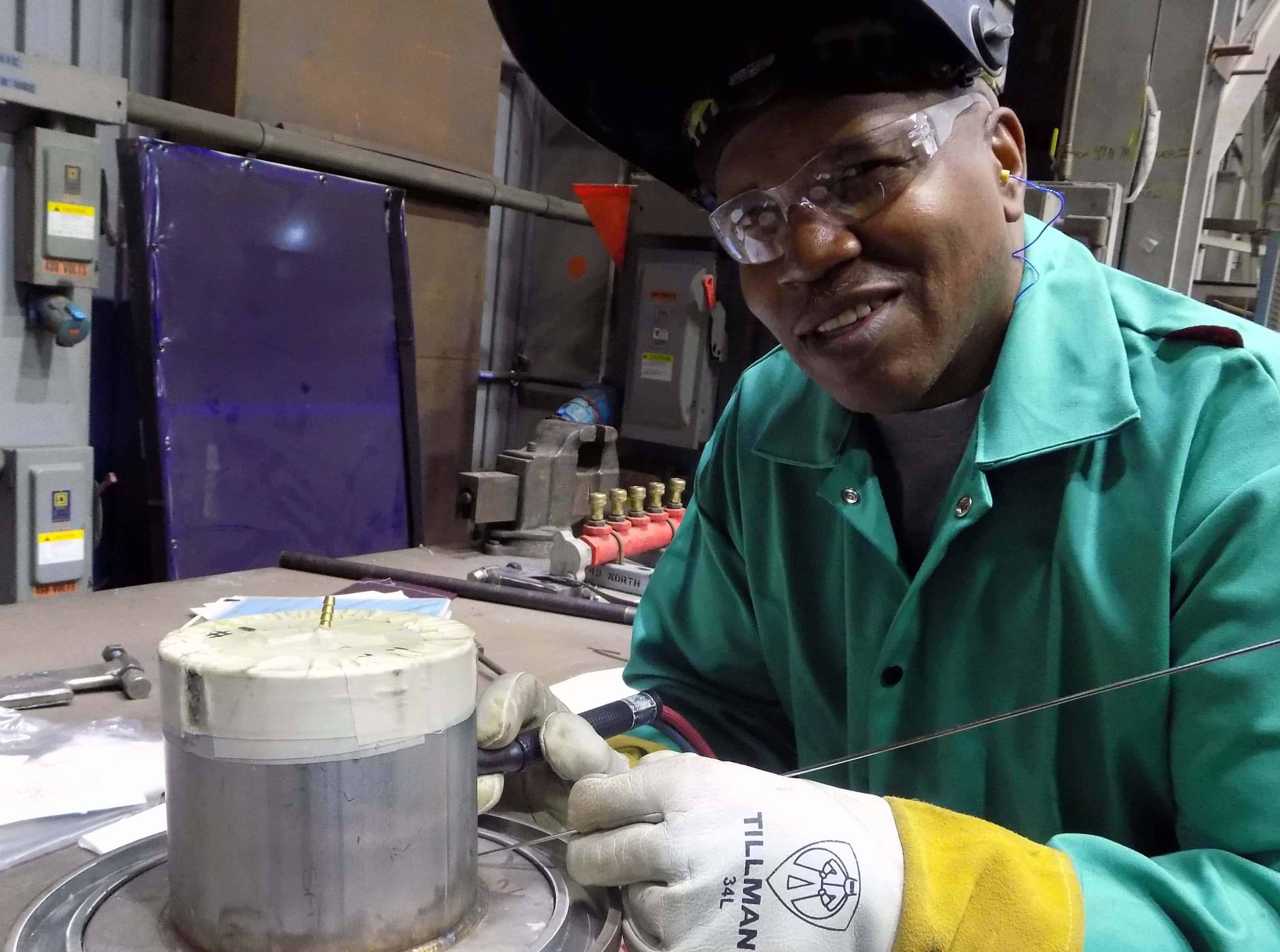
BWX Technologies, Inc., a supplier of nuclear components and fuel to the U.S. government, is hiring more than 170 new employees and further expanding its operations across three manufacturing facilities in Ohio and Indiana over the course of the next four years, investing approximately $210 million in these two states as a result of tax reform.
“Due to tax reform, we saw a favorable impact to our tax rate of about 8 to 10 percent,” said Rex Geveden, BWXT’s president and chief executive officer. “This has resulted in significant cash savings that we have used for various needs, including reinvestment of capital into our business and hiring additional employees for future growth.”
BWXT has been manufacturing naval nuclear components and reactors since the 1950s, when it designed and fabricated components for the USS Nautilus, the world’s first nuclear-powered submarine. Today, the company manufactures naval nuclear reactors for every new submarine and aircraft carrier in the U.S. Navy’s fleet. With this new investment, the company expects to fill a variety of different positions including engineers, machinists, quality assurance specialists and frontline supervisors to support the workforce growth.
“Manufacturers are keeping their promise to create jobs and invest right here in the United States,” said NAM Vice President of Tax and Domestic Economic Policy Chris Netram. “Thanks to tax reform, more individuals in Ohio and Indiana will have the opportunity to be a part of a growing industry. Moreover, BWXT’s investment will help it better accomplish its critical job of supporting our United States military, helping not only local communities but our country as a whole.”
BWXT isn’t just hiring workers to fulfill an immediate need. It’s also training young people and aspiring workers to help create a pipeline for BWXT and other employers that need skilled employees now and in the future. Through strategic partnerships with area schools in Ohio (K-12 and post-secondary), company leaders meet with students, parents, career counselors and faculty to discuss manufacturing jobs.
This provides an opportunity to talk about the well-paying careers and generous benefit packages, like education opportunities and tuition reimbursement—and the innovative nature of modern manufacturing. In Indiana, the company is building relationships with five of the area’s local technical schools to help students to learn about the exciting employment opportunities available to them and to provide training that enhances the skills of potential new employees.
“Manufacturers like BWXT aren’t just investing in the jobs of tomorrow—they’re helping young men and women across the country develop the skills they need to build a career in the manufacturing industry well into the future,” said Netram. “Businesses that make things in the United States pushed for tax reform in order to be able to invest in their communities and grow their operations, and BWXT’s announcement is another example of that promise fulfilled.”
Heroes MAKE America Graduate’s Manufacturing Career Takes Flight
"Once I got to the description of Heroes MAKE America, I knew that was what I wanted to do."
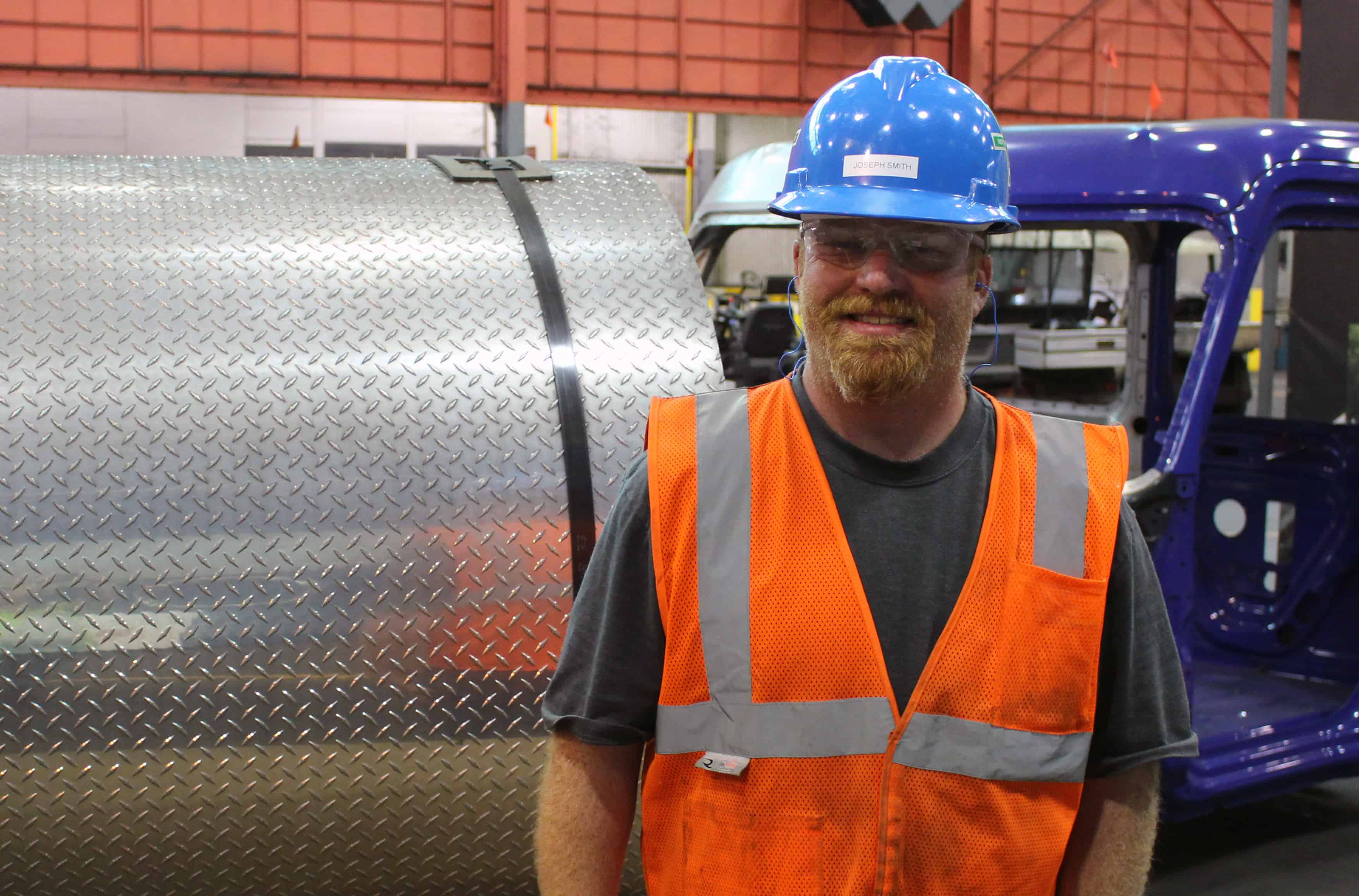
Joseph Smith spent 20 years in the military, beginning as a mechanic working on Apache helicopters and serving for most of his career as a maintenance supervisor in the U.S. Army. Today, he’s a maintenance unit supervisor based in Davenport, Iowa, at Arconic—a worldwide light metals manufacturer creating products for sectors from aerospace to consumer electronics.
Initially, Smith didn’t know how he’d adapt to civilian life after two decades in the military, but he was immediately impressed with The Manufacturing Institute’s Heroes MAKE America program, which aims to connect manufacturers with highly qualified candidates and offer transitioning service members manufacturing-related training and support, creating a pipeline between the military and manufacturing.
“I was trying to decide what I wanted to do after the military,” said Smith. “I was looking into the different programs and apprenticeships the army offered, and once I got to the description of Heroes MAKE America, I knew that was what I wanted to do.”
Smith grew up interested in how things are made. “I used to watch that How It’s Made series on TV,” he said. For him, his new job makes sense. He still enjoys watching how aluminum is made from raw material and seeing it become a finished product like the wing of an airplane.
“There’s so much that goes into the products that we use and the things we see on a daily basis,” he said.
Smith has been impressed by the similarities between his role in the military and his current position. While the transition to civilian life could have been challenging after two decades in the military, he immediately found manufacturing was uniquely suited to his skills.
“I could almost instantly tell,” Smith said. “The way that the maintenance portion of Arconic runs was very similar to, day-to-day, how working in the military was.”
Smith encourages other veterans to consider making the same move he did and emphasizes the number of jobs available to skilled workers.
“There are a lot of people who don’t realize how valuable a career in manufacturing can be,” says Smith. “Especially for a veteran coming out of the military, they don’t realize how in-demand their skills can be. Everything you do can be translated into a manufacturing career. And manufacturing employers are hiring like crazy.”
Learn more about the Manufacturing Institute’s Heroes MAKE America program.
NAM Statement on Second Meeting of the American Workforce Policy Advisory Board
Washington, D.C. – National Association of Manufacturers President and CEO Jay Timmons released the following statement on the second meeting of the American Workforce Policy Advisory Board:
Manufacturers’ top challenge is finding and recruiting talented workers, and The Manufacturing Institute is meeting this challenge through programs like Heroes MAKE America and the STEP Women’s Initiative to bring more women, veterans and young people into our industry. We are proud to share these solutions and insights with the American Workforce Policy Advisory Board and to work together to identify and develop additional innovative solutions to build the strongest workforce in history.
Background
The American Workforce Policy Advisory Board, chaired by Ivanka Trump and Commerce Secretary Wilbur Ross, was established by the Department of Commerce pursuant to Executive Order 13845, Establishing the President’s National Council for the American Worker. The Board will provide advice and recommendations on ways to encourage the private sector and educational institutions to combat the skills crisis by investing in and increasing demand-driven education, training and re-training, including training through apprenticeships and work-based learning opportunities.
Timmons was nominated to serve on the American Workforce Policy Advisory Board in September by Carolyn Lee, executive director of The Manufacturing Institute, the workforce and education partner of the NAM. Timmons also serves as Chairman of the Board of The Manufacturing Institute. According to a landmark 2018 study conducted by The Manufacturing Institute and Deloitte, 2.4 million manufacturing jobs are expected to go unfilled over the next decade.
-NAM-
The National Association of Manufacturers is the largest manufacturing association in the United States, representing small and large manufacturers in every industrial sector and in all 50 states. Manufacturing employs more than 12.8 million men and women, contributes $2.38 trillion to the U.S. economy annually, has the largest economic multiplier of any major sector and accounts for more than three-quarters of private-sector research and development. The NAM is the powerful voice of the manufacturing community and the leading advocate for a policy agenda that helps manufacturers compete in the global economy and create jobs across the United States. For more information about the Manufacturers or to follow us on Shopfloor, Twitter and Facebook, please visit www.nam.org.
Manufacturers Push For Fast-Track Recall Legislation

Last week, the U.S. House of Representatives’ Energy & Commerce Committee’s Subcommittee on Consumer Protection and Commerce held a legislative hearing on proposed improvements to the Consumer Product Safety Commission (CPSC), including one bill applauded by manufacturers across the country. H.R. 3169, known as the FASTER Act, would codify and strengthen the “fast-track” recall program, making it easier for companies to issue a voluntary recall if they determine that one of their products is unsafe.
Instituted by the CPSC nearly 25 years ago, the existing fast-track program is intended to provide companies with the ability to quickly recall a product if necessary, eliminating procedural steps like the CPSC staff’s technical evaluation of a product to determine if a defect exists that could harm consumers. That procedure, called a preliminary determination, can take several months. By streamlining the time-consuming review, manufacturers can quickly ensure the safety of consumers when they have already determined that a recall is necessary.
However, the fast track program has frequently been slowed down by bureaucratic Commission obstacles that have delayed even voluntary recalls by months.
“The CPSC’s fast-track program, once an award-winning agency program allowing for swift voluntary recalls, has become hampered by bureaucratic disagreements over non-substantive concerns, such as the wording of press releases and other hold-ups that create unnecessary hurdles to ensuring the safety of products on the market,” said Graham Owens, NAM Director of Legal and Regulatory Policy. “In other words, the program’s signature quality—that of being fast—seems to have been recalled itself.”
The bill Congress is considering would make the agency-created fast-track program permanent, while also clearly laying out how the process should work to prevent red tape from creeping back in. Meanwhile, the Commission would still have the power to make companies go through the long-form recall process on a case-by-case basis if it determines the expedited process was insufficient, ensuring that the Commission continues to hold regulatory authority.
“The FASTER Act would alleviate bureaucratic and non-substantive red tape by codifying the fast-track program into law—and by preventing the commission from delaying the posting of public notices of recall plans,” said Owens. “These simple steps would immediately speed up voluntary recalls to the benefit of consumers, manufacturers, and even the Commission itself.”
After fighting for many years to fix these administrative delays, manufacturers are hopeful that Congress will finally update the fast-track process.
“This hearing is a great start toward ensuring manufacturers are able to voluntarily recall products in an efficient and effective manner,” said Owens. “The FASTER Act, if passed, would improve the agency’s effectiveness in discharging its critical mission, and we commend the Subcommittee for focusing on common sense reforms. Manufacturers stand ready to work with Congress and the CPSC to achieve this laudable goal.”
Job Growth Sluggish in May, Highlighting Need for Certainty
The U.S. economy created just 75,000 new jobs in May, with a sluggish 3,000 manufacturing jobs created for the month.
U.S. manufacturers have experienced record growth over the past couple years, but certainty on a wide portfolio of issues, from infrastructure to trade, will be critical to keep that growth sustained throughout 2019. For policymakers in Washington, the May jobs reported should make that clear.
According to the latest Bureau of Labor Statistics jobs data, the U.S. economy created just 75,000 new jobs in May, with a sluggish 3,000 manufacturing jobs created for the month.
“Manufacturing employment has been more sluggish than desired for four straight months, coinciding with weaker demand and production activity and lagging behind the robust pace we experienced last year,” NAM Chief Economist Chad Moutray said. “Indeed, manufacturers created 264,000 net new jobs in 2018, the best pace of employment growth in the sector since 1997. Yet, the sector has added only 13,000 employees since February. For those numbers to pick back up, our leaders in Washington must recommit to tackling the issues currently creating uncertainty for businesses and focus on policies aimed at sustaining the vigorous growth the industry saw last year.”
Employment has not been the only indicator that’s lagged behind. Earlier this week, the Institute for Supply Management® said manufacturing activity in May expanded at its slowest pace since October 2016; whereas the competing survey from IHS Markit reflected growth that was the weakest pace in nearly a decade. In addition, manufacturing production has fallen in three of the past four months.
“Manufacturers need certainty,” Moutray said. “Things like ratifying the USMCA, securing a bilateral trade agreement with China, passing a long-term reauthorization of the Ex-Im Bank and enacting a bipartisan agreement to update our nation’s infrastructure are immediate steps policymakers can take that would greatly benefit the industry long into the future.”
Another factor holding back manufacturing growth is the looming workforce crisis—a challenge which continues to be the top concern for business leaders, especially in a tight labor market. The number of job openings in the sector has remained highly elevated, averaging about a half million per month over the past 12 months.
“At the end of the day, despite lower levels of industry growth, manufacturers are still creating far more open jobs than workers ready to fill them,” Moutray said. “That’s putting a damper on job creation as well.” Overall, the labor market remains tight, with the unemployment rate remaining 3.6 percent, the lowest since December 1969.
The Manufacturing Institute, the NAM’s education and workforce partner, is the leading industry authority on workforce development and recognizes the need to grow the qualified manufacturing workforce and close the skills gap. It has a range of programs and initiatives designed to do just that.
“The future of this industry and our economy at large are both tied to the future of the manufacturing workforce,” said Carolyn Lee, Manufacturing Institute executive director. “It’s just one more reason why we at the Institute work so hard every day to support the manufacturing workforce of today and grow the manufacturing workforce of tomorrow.”
NAM Welcomes House Judiciary Committee Markup of Equality Act
Washington, D.C. – The National Association of Manufacturers released the following statement on the House Judiciary Committee’s markup of the Equality Act (H.R. 5):
The Equality Act creates a clear federal standard that matches the sentiments manufacturers already share: gender identity and sexual orientation have no impact on an employee’s abilities, and discrimination is not welcome on the manufacturing floor, said NAM Vice President of Labor, Legal and Regulatory Policy Patrick Hedren. This bill’s basic approach of including protections under the existing framework of the Civil Rights Act is sensible. By making these protections consistent with those for other protected classes, it takes advantage of decades of judicial precedent to provide as much clarity as possible to the businesses that must ultimately comply.
In March, the NAM joined more than 40 other business trade associations in support of the Equality Act, and the list of support has since grown. In April, the NAM testified in support of the legislation before the Education and Labor Subcommittee on Civil Rights and Human Services.
-NAM-
The National Association of Manufacturers (NAM) is the largest manufacturing association in the United States, representing small and large manufacturers in every industrial sector and in all 50 states. Manufacturing employs more than 12 million men and women, contributes $2.25 trillion to the U.S. economy annually, has the largest economic impact of any major sector and accounts for more than three-quarters of private-sector research and development. The NAM is the powerful voice of the manufacturing community and the leading advocate for a policy agenda that helps manufacturers compete in the global economy and create jobs across the United States. For more information about the Manufacturers or to follow us on Shopfloor, Twitter and Facebook, please visit www.nam.org.
Manufacturers Stress Skills Gap Crisis on Manufacturing Day
Washington, D.C. –Today, Jay Timmons, president and CEO of the National Association of Manufacturers (NAM); Carolyn Lee, executive director of the NAM’s Manufacturing Institute; and David Farr, Emerson chairman and CEO and NAM Board chair, marked Manufacturing Day with op-eds stressing the urgency of the industry’s skills gap crisis. According to the Bureau of Labor Statistics (BLS), there are 506,000 open manufacturing jobs in the United States—the highest number of open jobs in the sector in the 18-year history of the survey.
“Manufacturers across the country, like Emerson, are growing. They’re investing and they’re hiring, due in no small part to pro-growth policies out of Washington like tax reform and critical regulatory reform. And yet, manufacturing’s success is simultaneously fueling a burgeoning crisis which, unless sufficiently addressed, threatens both the future of the industry and our economy as a whole.
“A recent survey by the National Association of Manufacturers tells the story. It found more than 90 percent of manufacturers expressing optimism about the future and nearly as many, about 75 percent, expressing deep concerns about their ability to attract and retain a quality workforce moving forward.
“Inspiring more Americans to imagine themselves as manufacturing workers may be the top challenge facing America’s most iconic industry, but it’s also one that NAM is working hard to overcome. One of the ways we’re doing so is through one of our most impactful initiatives, Manufacturing Day, which kicks off across the country today.
“MFG Day is when thousands of manufacturers and technical schools around the country open their doors to parents, teachers and, most importantly, students to show them the reality of modern manufacturing. A wide array of companies put on presentations of all kinds, from rocket launches to augmented reality apps, all with the goal of bringing modern manufacturing to life.”
“Those of us who are parents want nothing more than to ensure our children are ‘better off’ than we are. We want our kids to build a promising career that allows them to do meaningful work and raise a family. The hard part is helping them figure out how to do that.
“Here’s what too many parents don’t know: The answer can often be modern manufacturing. A career in modern manufacturing is high paying—and often does not require a debt-inducing four-year college degree. The average manufacturing employee earns about 25% more in pay and benefits than the average worker across all industries. The work itself is high tech, hands-on and fulfilling. Today’s manufacturing companies are technology companies, relying on coders, programmers, technicians and more to keep production running.
“But you don’t have to take our word for it. October 5 is national Manufacturing Day. Across the country, manufacturers will open their doors to show parents, teachers, students and community members the incredible work that’s going on in their local area. They will showcase the modern technology that is at the heart of today’s industry, and employees and company leaders will talk about the products they make—products that are essential to our day-to-day lives and include everything from smart electronics and automobiles to food, medicine, fuel and apparel.
. . . .
“This is a long-term challenge to be sure, but above all, it’s a promising opportunity for young people. And parents should be reassured that modern manufacturing offers what they want for their children: a solid career, a bright future and a chance to be ‘better off.’ See for yourself today and throughout the month at an MFG Day event near you.”
-NAM-
The National Association of Manufacturers (NAM) is the largest manufacturing association in the United States, representing small and large manufacturers in every industrial sector and in all 50 states. Manufacturing employs more than 12 million men and women, contributes $2.25 trillion to the U.S. economy annually, has the largest economic impact of any major sector and accounts for more than three-quarters of private-sector research and development. The NAM is the powerful voice of the manufacturing community and the leading advocate for a policy agenda that helps manufacturers compete in the global economy and create jobs across the United States. For more information about the Manufacturers or to follow us on Shopfloor, Twitter and Facebook, please visit www.nam.org.
ICYMI: NAM’s Jay Timmons and David Farr Discuss Latest Outlook Survey, Manufacturing Day on CNBC
Click Here to Watch the Interview
Timmons on Manufacturing Day
“We have 2,600 facilities across the country, some of them at Emerson and other members of the NAM opening their doors to students and their parents today showing them what modern manufacturing is all about … [Augmented Reality], and virtual reality and 3D printing, and all these things. We were lucky to figure out that we could actually fax a piece of paper across the country when I was a kid.”
Farr on Manufacturing Day
“We have over 50 facilities in the United States. And we open up our facilities every year, each day to allow the parents to bring their kids in and encourage them to show what we’re doing in manufacturing. It’s a lot different when I was a young boy, and my dad was a plant manager. He worked for glassworks for 30 some-odd years. I used to walk the floor with my dad. It is completely different today. I mean, there’s a lot more technology. You have to be educated. You have to be skilled. And I think the government understands this, manufacturers understand this, and we are working extremely hard to try to get the workforce trained for the next generation.”
Timmons on Latest NAM Outlook Survey, Skills Gap Crisis
“Three-quarters of manufacturers report that finding skilled labor is their number-one concern. It’s the headwind that we see right now, Contessa. If you look at tax reform and regulatory reform, those are the things that are responsible for that 92 percent positive outlook … Dave is a perfect example of what a company can do and what the leadership of the company can do, but what the federal government is doing is they certainly have lots of training programs and hopefully those are going to be consolidated so that we don’t have 65 different programs. We’re really impressed with the Trump administration’s focus on the apprenticeship program. And a lot of our manufacturers are participating in that as well. So there’s a very large focus on this.”
Read the NAM’s Q3 Manufacturers’ Outlook Survey here, and to learn more about Manufacturing Day, visit MFGDay.com.
-NAM-
The National Association of Manufacturers (NAM) is the largest manufacturing association in the United States, representing small and large manufacturers in every industrial sector and in all 50 states. Manufacturing employs more than 12 million men and women, contributes $2.25 trillion to the U.S. economy annually, has the largest economic impact of any major sector and accounts for more than three-quarters of private-sector research and development. The NAM is the powerful voice of the manufacturing community and the leading advocate for a policy agenda that helps manufacturers compete in the global economy and create jobs across the United States. For more information about the Manufacturers or to follow us on Shopfloor, Twitter and Facebook, please visit www.nam.org.