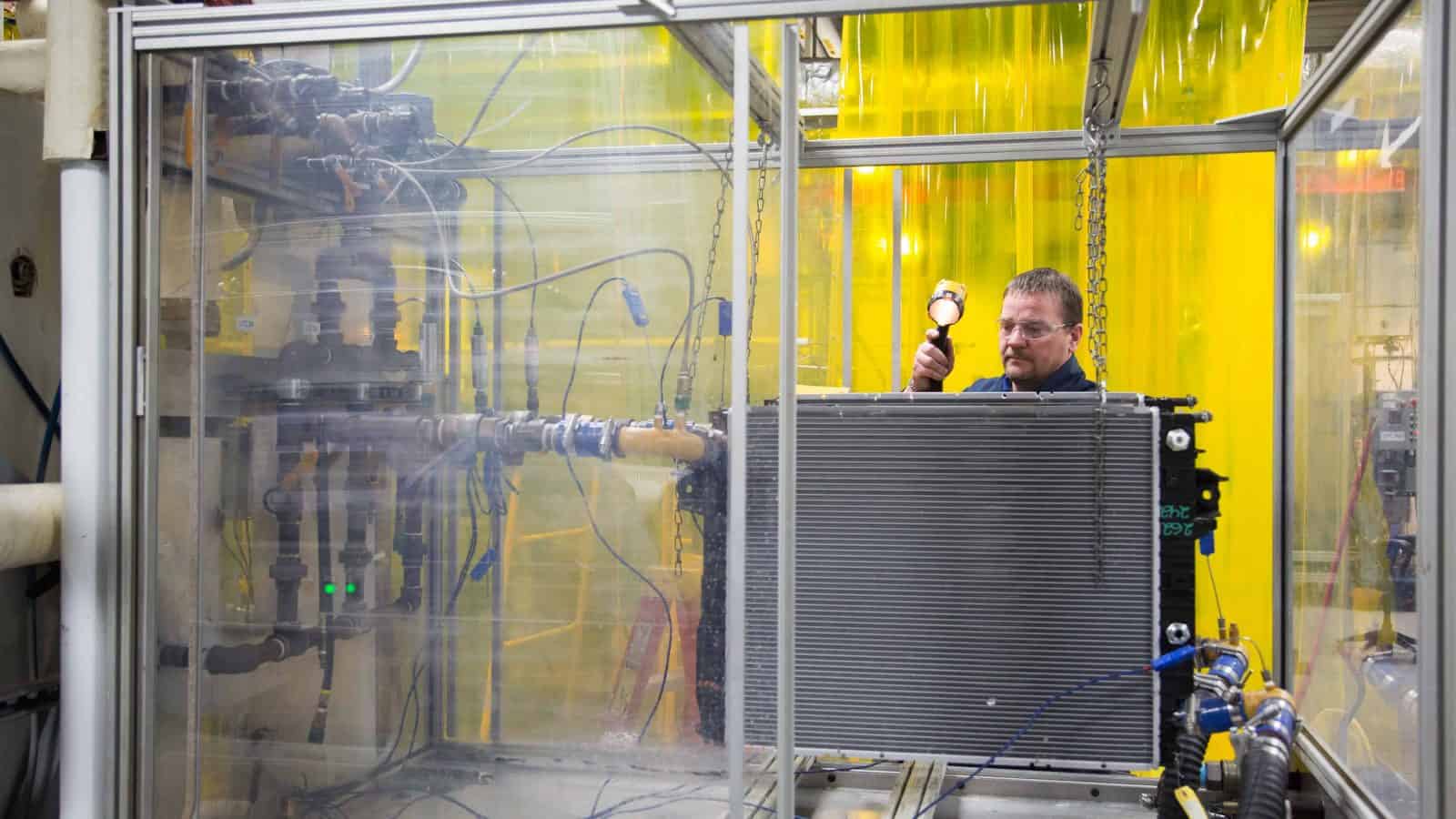
Manufacturers to Trump and Congress: Act Now on Comprehensive, Commonsense Manufacturing Strategy as Tariffs Hit Manufacturing Industry
National Association of Manufacturers President and CEO Jay Timmons released the following statement ahead of President Donald Trump’s address to a joint session of Congress:
“The stakes couldn’t be higher for manufacturers right now. Many manufacturers are operating on thin margins, and the tariffs imposed today will further strain their resources. For example:
- A large manufacturer in the power-engineering sector that imports more than $100 million every year in components and products from Mexico now faces increasing costs of $25 million due to the tariffs. As a major supplier to the U.S. utility and industrial market, this will directly impact the ability for domestic utilities and industrial customers to maintain a safe, efficient and secure power grid.
- Another large consumer goods manufacturer indicated the tariffs on Mexico will cost their company $200 million, and the Canadian retaliatory tariffs will add another $31 million—totaling $231 million, or $1.15 million per day.
- A small copper manufacturer had nine truckloads of copper rod sitting at the Canadian border waiting to go through Customs when the tariffs went into effect, leading to 388,000 pounds of copper goods being returned to the supplier. If the tariffs remain in effect, bringing copper—a critical manufacturing input—into the U.S. would cost the manufacturer nearly $50,000 per truckload going forward.
“To mitigate the adverse effects of today’s tariffs, manufacturers call on President Trump and Congress to implement a comprehensive manufacturing strategy that would create predictability and certainty to invest, plan and hire in America. This strategy includes the following actions:
- Make President Trump’s 2017 tax reforms permanent and more competitive now. When President Trump signed these tax cuts into law, it was rocket fuel for manufacturing in America and made the U.S. economy more competitive on a global scale. That fuel is about to run out as key provisions have expired, and others are about to lapse. If Congress fails to act, it will cost America 6 million jobs, including more than 1.1 million manufacturing jobs. We must ensure these historic, pro-growth manufacturing provisions are made permanent and even more competitive so manufacturers can plan, grow and succeed.
- Restore regulatory certainty. Manufacturers are spending $350 billion each year just to comply with regulations—money that could be spent on expanding factories and production lines, hiring new workers or raising wages. President Trump has taken action already to streamline burdensome regulations starting with lifting the liquefied natural gas export ban, but we need to move faster to deliver on our industry’s potential.
- Expedite permitting reform to unleash American energy. President Trump is already ending the war on America’s energy producers, but there is more work to do. America should be the undisputed leader in energy production and innovation, but we will not reach our full potential without permitting reform. We are seeing opportunities for energy dominance fade in the face of a permitting process that takes 80% longer than other major, developed nations.
- Strengthen the manufacturing workforce. Over the past year, we have averaged 500,000 open manufacturing jobs in America—well-paying, life-changing careers. Manufacturers are struggling to fill critical jobs. We need a real workforce strategy that ensures we have the talent to grow, compete and lead.
- Implement commonsense trade policies that open global markets fairly and effectively. Building things in America only works if we can sell them around the world. That’s why we’re urging President Trump and Congress to provide greater predictability and a clear runway for manufacturers to adjust to new trade realities, while also making way for exemptions for critical inputs, enabling reciprocity in manufacturing trade.
“Manufacturers are investing in America in record numbers, and President Trump is focused on strengthening manufacturing in the United States to grow our nation’s economy. We look forward to working with President Trump as he works to advance policies that will help manufacturers thrive and prosper because when manufacturing wins, America wins.”
-NAM-
The National Association of Manufacturers is the largest manufacturing association in the United States, representing small and large manufacturers in every industrial sector and in all 50 states. Manufacturing employs nearly 13 million men and women, contributes $2.93 trillion to the U.S. economy annually and accounts for 53% of private-sector research and development. The NAM is the powerful voice of the manufacturing community and the leading advocate for a policy agenda that helps manufacturers compete in the global economy and create jobs across the United States. For more information about the NAM or to follow us on Twitter and Facebook, please visit www.nam.org.
Manufacturers: National Energy Dominance Council Shows President Trump’s Commitment to American Energy Leadership and Manufacturing Growth
Washington, D.C. – National Association of Manufacturers President and CEO Jay Timmons released the following statement on President Donald Trump’s recent executive order establishing the National Energy Dominance Council:
“President Trump is moving quickly to unleash America’s full energy potential by establishing the National Energy Dominance Council, setting America up to lead on energy and secure our energy independence. This action demonstrates President Trump and his administration’s commitment to ensuring manufacturers have the energy they need to drive economic growth.
“On day one, President Trump declared the United States will be a manufacturing nation, lifting the moratorium on liquefied natural gas (LNG) export permits—one of the NAM’s top recommended regulatory actions for the Trump administration to tackle. This was a significant move that will bolster our energy sector, strengthen our position in the global market and ensure manufacturers in America have the energy resources they need to power economic growth here at home. We look forward to working with President Trump and the administration to improve the processes for permitting for all energy sources, which this action also addresses. The federal permitting system is broken—delaying projects that would create jobs, secure supply chains and reinforce America’s competitive edge.
“The National Energy Dominance Council, under the leadership of Interior Secretary Burgum and Energy Secretary Wright, will help power the future of manufacturing in America because when manufacturing wins, America wins.”
-NAM-
The National Association of Manufacturers is the largest manufacturing association in the United States, representing small and large manufacturers in every industrial sector and in all 50 states. Manufacturing employs nearly 13 million men and women, contributes $2.93 trillion to the U.S. economy annually and accounts for 53% of private-sector research and development. The NAM is the powerful voice of the manufacturing community and the leading advocate for a policy agenda that helps manufacturers compete in the global economy and create jobs across the United States. For more information about the NAM or to follow us on Twitter and Facebook, please visit www.nam.org.
Trump “Unleashes” U.S. Energy
Among President Trump’s Day One executive orders were several manufacturing-crucial energy policies. We break them down here.
Domestic energy resources: The president focused on unlocking the vast wealth of energy resources in the United States with the “Unleashing American Energy” executive order, which:
- Orders a 30-day review by all federal departments and agencies of regulations and other barriers to the identification and development of domestic energy resources (particularly oil, coal, natural gas, biofuels, critical minerals, nuclear and hydropower);
- Directs the Department of Energy to resume liquefied natural gas export permits, ending the previous administration’s moratorium, and resumes review of LNG export applications;
- Rescinds the “NEPA Phase 2” rulemaking, the Council on Environmental Quality’s revisions to the National Environmental Policy Act;
- Directs the reconsideration of the legality of regulating greenhouse gas emissions under the Clean Air Act;
- Revokes an executive order by President Carter that gives the CEQ authority to issue binding regulations to other agencies;
- Terminates state emissions waivers that limit the sale of gas-powered vehicles and begins the process of unwinding a suite of vehicle tailpipe regulations from the previous administration;
- Directs all agencies to provide the opportunity for public comment and rigorous, peer-reviewed scientific analysis for regulations; and
- Disbands the Interagency Working Group on the Social Cost of Greenhouse Gases.
A “National Energy Emergency”: The president’s declaration of a “national energy emergency”:
- Authorizes the heads of every federal agency and department to use emergency powers to facilitate domestic energy development and production;
- Requires the Environmental Protection Agency and DOE to consider issuing emergency fuel waivers to allow for year-round sale of E15 fuel with a blend of 15% ethanol;
- Requires a report from the Army Corps of Engineers and other agencies on potential and planned permitting provisions to speed up energy infrastructure permitting under various legislative measures; and
- Requires agencies to use emergency authority under the Endangered Species Act to expedite energy project permitting consultations.
Alaskan energy: The president’s “ Unleashing Alaska’s Extraordinary Resource Potential” order provides for the opening of Alaskan lands to energy exploration and development and promotes Alaskan LNG production.
The Paris Agreement: “Putting America First in International Environmental Agreements” withdraws the U.S. from the Paris Agreement, a 2015 climate change accord.
Rescissions: “Initial Rescissions of Harmful Executive Orders and Actions” includes revisions of multiple executive orders put in place by the previous administration, including “Tackling the Climate Crisis at Home and Abroad,” “Establishment of the Climate Change Support Office,” “Climate-Related Financial Risk” and “Strengthening American Leadership in Clean Cars and Trucks.”
Offshore wind: The “Temporary Withdrawal of All Areas on the Outer Continental Shelf from Offshore Wind Leasing and Review of the Federal Government’s Leasing and Permitting Practices for Wind Projects” blocks lease sales for offshore wind projects and pauses new approvals for leases, permits or loans for on- and offshore wind projects.
Our view: “Expanding domestic energy production drives innovation, creates jobs and powers the growth that keeps America at the forefront of the global economy,” NAM President and CEO Jay Timmons wrote in a social post Monday.
- “Energy is the lifeblood of our industry, and we look forward to working with President Trump to build our manufacturing nation.”
Biden Drilling Ban Sets U.S. Back
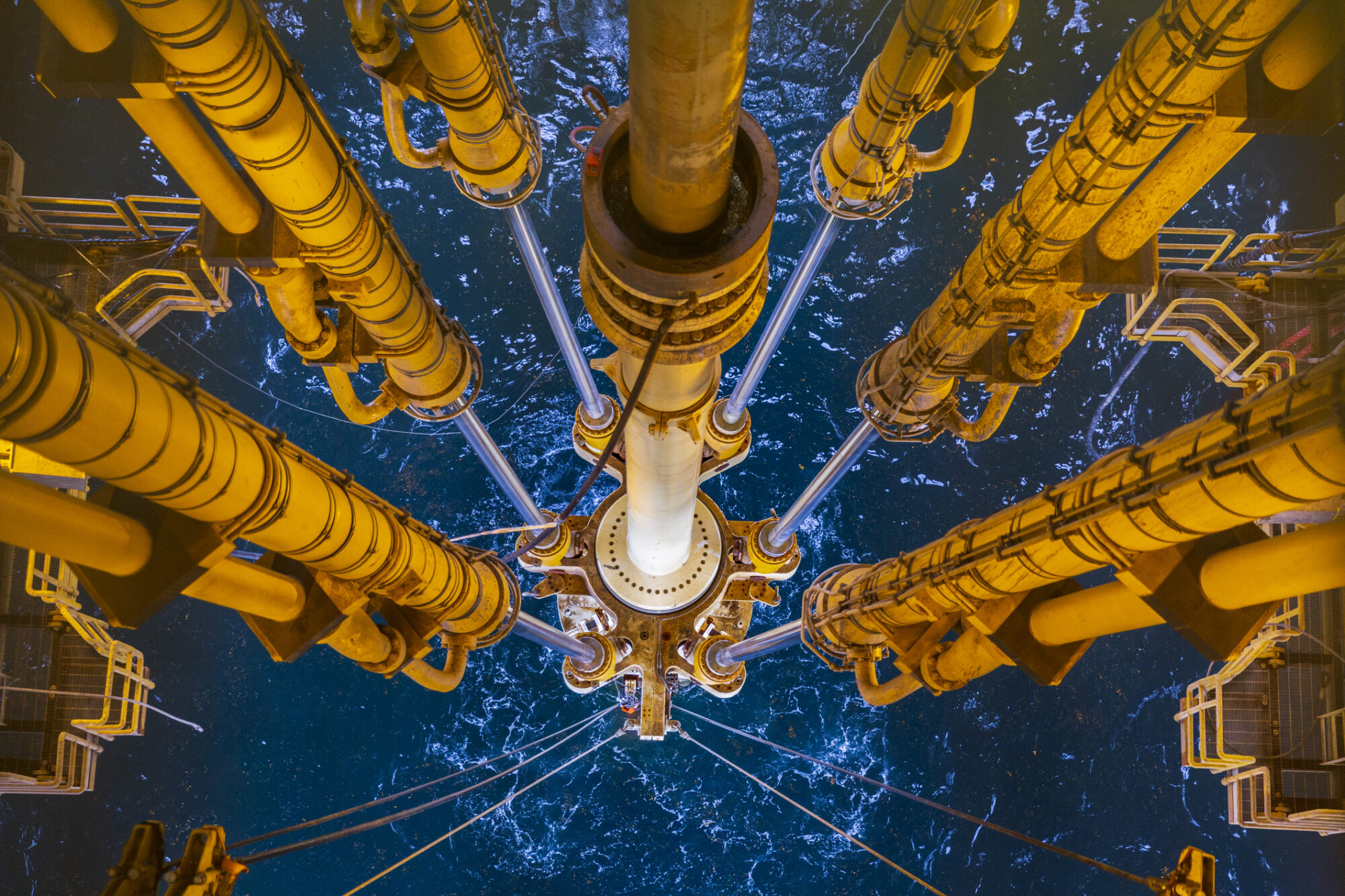
The Biden administration’s ban on new offshore oil and gas drilling in most American coastal waters “sets a bad precedent for the country,” the NAM said Monday.
What’s going on: The decision, which comes just two weeks before President Trump takes office, applies to “new drilling off the entire East Coast, as well as California, Oregon and Washington state” and “some drilling off Alaska’s coast in portions of the Northern Bering Sea and in the eastern Gulf of Mexico” (The Hill).
- Though there is currently no active drilling in the Atlantic and most U.S. offshore oil and gas production comes from the central and western Gulf of Mexico, the area placed under the ban is the largest ever “formally taken off the table for drilling by a president.”
- In response, President Trump on Monday said he would “unban it immediately” (Associated Press).
Why it’s a problem: The moratorium could prove harder for Trump to undo than other 11th-hour moves by Biden. That’s in large part because of the Outer Continental Shelf Lands Act, which gives U.S. presidents the right to block drilling in certain areas but not the right to reinstate it.
- However, Congress could work with the new president to undo the move—and it should, Timmons said. “Manufacturers are committed to working with Congress and [President Trump] to scale back this harmful decision that undermines American energy dominance.”
Hydrogen Announcement Sets the Stage for American Energy Leadership
Washington, D.C. – Following the publication of new final guidance by the U.S. Department of Treasury for the hydrogen production tax credit, National Association of Manufacturers President and CEO Jay Timmons released the following statement:
“America leads when we unleash all our energy potential, including hydrogen, American natural gas, nuclear and more. With a strong build-out of hydrogen production facilities, we will be able to add more sources of reliable energy for manufacturers, power plants and communities while cementing our energy dominance.
“The NAM has advocated consistently for flexibility in the credit using project-specific emissions data rather than national or regional averages. The Biden administration’s guidance provides manufacturers with an important step forward. But for hydrogen to truly become a game-changing energy source, we need to address restrictions that make it harder to cost-compete on a global scale. A robust and flexible hydrogen industry will also be a major boon to the production and utilization of American natural gas as well as American nuclear power.
“Under President Donald Trump’s leadership, we have an opportunity to cut taxes, slash red tape and unleash permitting reform—turning this credit into a powerful tool for American energy leadership and fuel security. It’s time to build on this momentum and ensure these incentives deliver on their full promise for America’s manufacturers, workers and economy.”
-NAM-
The National Association of Manufacturers is the largest manufacturing association in the United States, representing small and large manufacturers in every industrial sector and in all 50 states. Manufacturing employs nearly 13 million men and women, contributes $2.91 trillion to the U.S. economy annually and accounts for 53% of private-sector research and development. The NAM is the powerful voice of the manufacturing community and the leading advocate for a policy agenda that helps manufacturers compete in the global economy and create jobs across the United States. For more information about the NAM or to follow us on Twitter and Facebook, please visit www.nam.org.
DOE LNG Study Misses the Mark
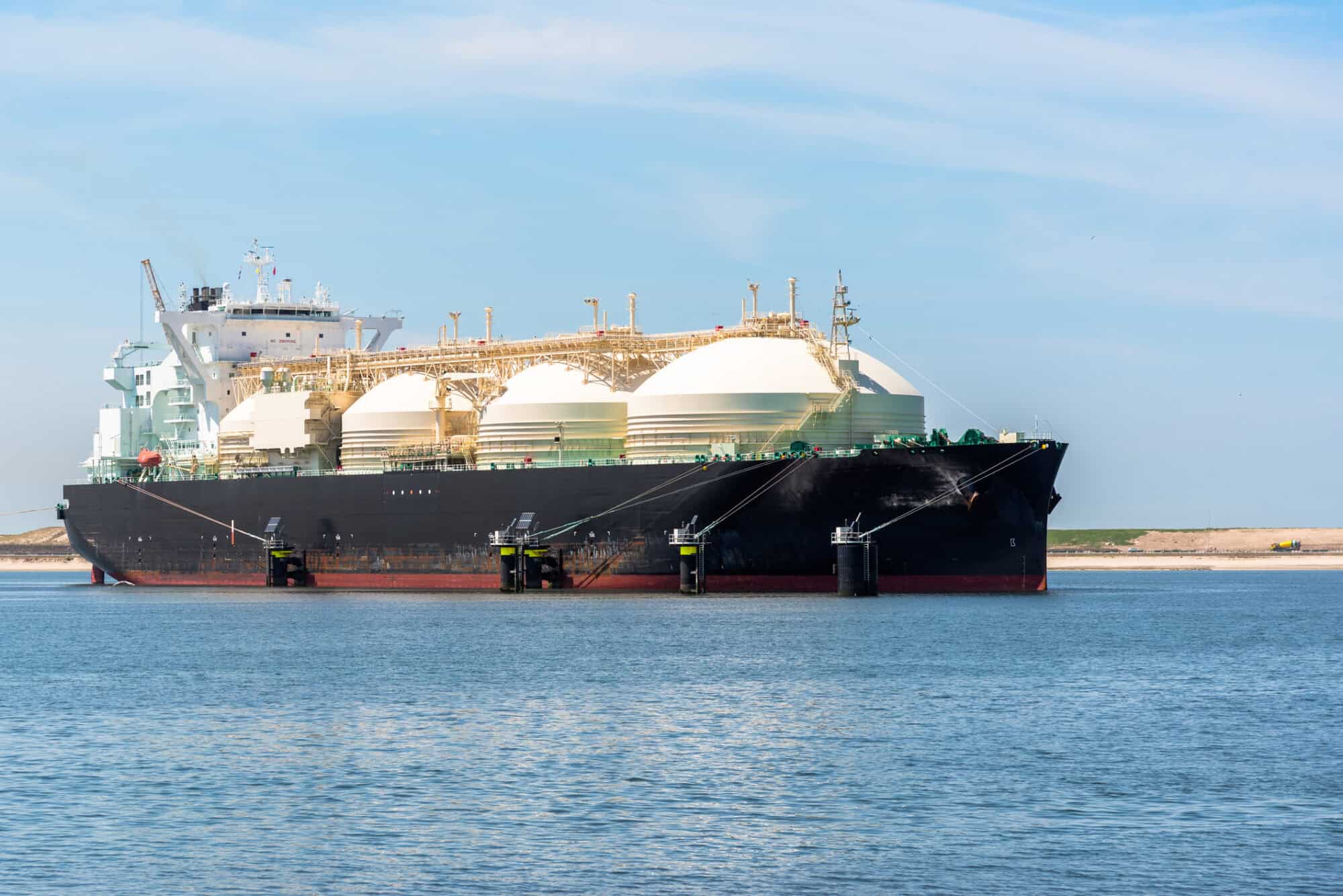
The NAM is urging President Trump to reconsider the Biden administration’s misguided findings regarding new liquefied natural gas export permits, following the release of a Department of Energy study claiming that increased permit numbers would have negative effects on the nation.
What’s going on: The Department of Energy’s analysis, released Tuesday, holds “that ‘unfettered’ shipments of the fuel would make domestic prices rise … [and would] displace more renewables” (E&E News).
- However, the “report from Energy Secretary Jennifer Granholm is clearly a politically motivated document designed for an audience who believes no form of carbon-based energy is acceptable,” NAM President and CEO Jay Timmons said. “LNG exports play a crucial role in reducing emissions by providing cleaner energy alternatives to countries reliant on higher emission sources.”
What the ban’s done: The result of the Biden administration’s moratorium—issued in January—on the issuance of new U.S. LNG export permits has been “chilled energy investment, costing the country manufacturing jobs and holding us back from achieving energy dominance on the world stage,” Timmons continued.
- “The DOE’s report claims to be concerned about security, but the actions of this administration on LNG only serve to incentivize Europe to purchase natural gas from Russia.”
A popular, key energy source: U.S. LNG is far cleaner than Russian LNG (House Energy and Commerce Committee). Furthermore, an October study by the NAM and PwC found that U.S. LNG is a significant and crucial contributor to gross domestic product, as well as an important source of jobs and federal, state and local taxes.
- What’s more, Americans want to keep exporting it. In a March NAM poll of 1,000 registered voters, more than 87% said they believe the U.S. should continue to export LNG.
The bottom line: “The data is clear: LNG exports are a driving force for economic growth and job creation in the United States,” Timmons concluded. “Halting LNG export licenses as suggested would threaten nearly a million jobs and undermine our nation’s economic stability. The NAM asks President Trump to end this political war on the energy manufacturers that power our economy, fuel job growth and help ensure America’s national security.”
DOE’s Politically Motivated LNG Report Undermines American Energy Dominance
President Trump Must End the Biden Administration’s War on Energy
Washington, D.C. – The National Association of Manufacturers today responded to the Department of Energy’s report on liquefied natural gas exports and highlighted the harmful impact of the DOE’s misguided attempts to restrict new LNG export terminals.
A comprehensive study conducted by the NAM, in collaboration with PwC, reveals that robust LNG export operations could support more than 900,000 jobs, contribute up to $216 billion to U.S. GDP and generate $46 billion in tax revenue by 2044. Furthermore, the LNG sector supports approximately 222,450 jobs, resulting in $23.2 billion in labor income, and contributes $43.8 billion to the national GDP.
“Today’s report from Energy Secretary Jennifer Granholm is clearly a politically motivated document designed for an audience who believes no form of carbon-based energy is acceptable. LNG exports play a crucial role in reducing emissions by providing cleaner energy alternatives to countries reliant on higher emission sources,” said NAM President and CEO Jay Timmons.
“The result of the LNG export ban that has been in place since January is chilled energy investment, costing the country manufacturing jobs and holding us back from achieving energy dominance on the world stage. The DOE’s report claims to be concerned about security, but the actions of this administration on LNG only serve to incentivize Europe to purchase natural gas from Russia.
“The data is clear: LNG exports are a driving force for economic growth and job creation in the United States. Halting LNG export licenses as suggested would threaten nearly a million jobs and undermine our nation’s economic stability. The NAM asks President Trump to end this political war on the energy manufacturers that power our economy, fuel job growth and help ensure America’s national security.”
-NAM-
The National Association of Manufacturers is the largest manufacturing association in the United States, representing small and large manufacturers in every industrial sector and in all 50 states. Manufacturing employs nearly 13 million men and women, contributes $2.91 trillion to the U.S. economy annually and accounts for 53% of private-sector research and development. The NAM is the powerful voice of the manufacturing community and the leading advocate for a policy agenda that helps manufacturers compete in the global economy and create jobs across the United States. For more information about the NAM or to follow us on Twitter and Facebook, please visit www.nam.org
NAM to EPA: Revise October PFAS Rule
In its current form, the Environmental Protection Agency’s recent proposal to add specific per- and polyfluoroalkyl substances and PFAS categories to a database of toxic chemicals would place an unnecessary hardship on manufacturers, the NAM told the agency recently.
What’s going on: In October, the EPA published draft rules that would add 16 individual PFAS and 15 PFAS categories representing more than 100 individual PFAS to its Toxic Release Inventory, a list of potentially hazardous chemical release and waste management activities taking place in the U.S.
- Companies producing or manufacturing products with chemistries added to the TRI are required to complete and submit inventory forms each year for the chemicals they make and use over established limits.
- “The NAM believes this proposed rule will create unduly burdensome compliance requirements and increase costs for manufacturers and consumers as written,” NAM Vice President of Domestic Policy Chris Phalen said this month.
What should happen: The EPA should “adopt the following approaches to the proposed rulemaking”:
- Stay the proposal to give the public more time to comment on it.
- Revise the proposed PFAS and PFAS category additions to reflect “a meaningful baseline of scientific evidence” and ensure that “the scientific evidence justifying the listing[s] [is] supported by peer review and public comment.”
- List individually every PFAS added to the TRI and make each one identifiable.
- Narrow the group of PFAS listed as “chemicals of special concern” to reflect the scope of authority granted to the EPA by the fiscal year 2020 National Defense Authorization Act.
Why it’s important: “While the EPA estimates this proposed rule would result in up to 1,110 TRI reporting forms annually at an estimated cost of up to $6.6 million for its first year and up to $3.1 million for subsequent years, we anticipate the compliance costs to manufacturers will be significantly higher,” Phalen continued.
- If finalized as written, the rule will force manufacturers to hire additional workers and consultants, train employees on proper reporting processes, spend huge sums of money on testing and verifying results and much more.
- The result: “a costly drain on [manufacturers’] resources … [that] will lead to a rise in operational and production costs far above the EPA’s cost estimates for the proposed rule.”
Lucid Revs Up the Domestic Graphite Supply Chain
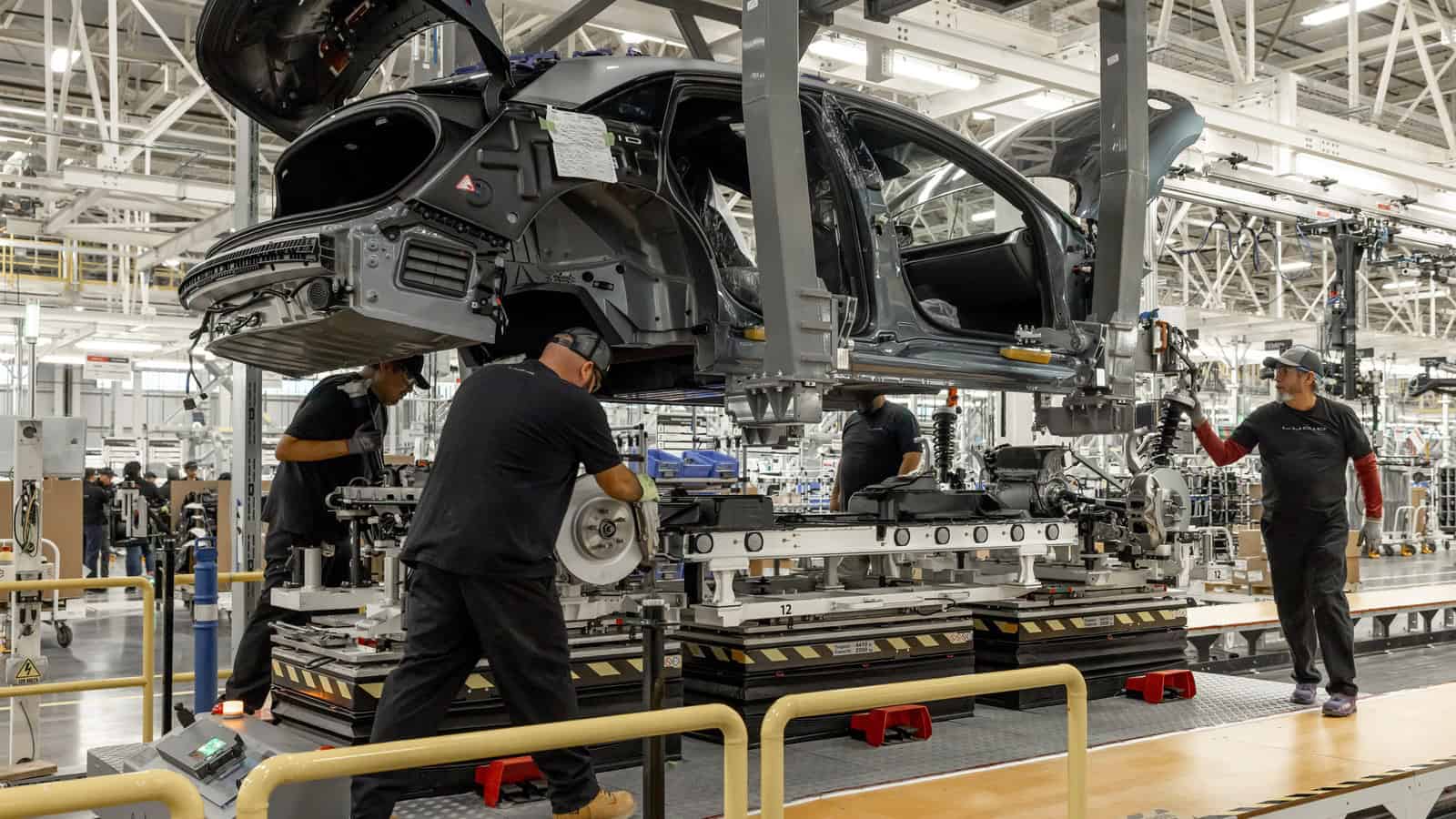
Lucid has already made one of the most energy-efficient cars on the market. Now the company is on a mission to strengthen supply chains for the critical materials powering its award-winning vehicles.
Supply chain warrior: The California-based electric vehicle manufacturer—whose 2025 Air Pure sedan is the first EV to achieve a milestone 5 miles of range per kilowatt of energy—recently reached an agreement with Alaskan mining exploration company Graphite One to purchase synthetic graphite for its vehicles’ battery packs.
- The deal, which goes into effect in 2028, is a crucial first step toward cementing a domestic supply chain of graphite, a mineral that makes up about half of every EV’s battery composition. EV batteries require both synthetic and natural graphite.
- “Today 100% of the graphite for batteries assembled in the U.S. comes from overseas,” said Lucid Motors Supply Chain Group Manager of Battery Raw Materials Michael Parton. “Building a robust domestic supply chain ensures the United States and Lucid will maintain technology leadership in this global race.”
Pandemic lesson: The global pandemic revealed the downside of depending on other nations for critical materials, and the importance of cultivating domestic sources instead.
- In 2020, “every company experienced major challenges when it came to shutdowns and global trade,” Parton said. “Having a domestic supply reduces production risk, accelerates response time and agility and lowers the need to carry higher levels of inventory.”
A midstream gap: When it comes to EV batteries and their supply chains, “much of the discussion is on localizing the bookends of the supply chain, the downstream battery production and the upstream mineral extraction,” Parton told us.
- Less discussed is the “midstream environment,” which comprises the precursor cathode active materials (P-CAM) and cathode active materials (CAM) stages. Materials used during these phases in the battery production process include critical minerals such as lithium, nickel and cobalt.
- The P-CAM market has been a difficult one to navigate, Parton added. For years, the P-CAM stage has been outsourced to countries with more cost-effective production. The problem: These countries also have less stringent environmental regulations than the U.S.
- “There’s limited investment announced [in the U.S.] in the refining and chemical conversion process at these stages, but it’s where the real need is,” Parton continued. “To promote localized sources of supply for mined and recycled minerals, there needs to be a domestic option for both P-CAM and CAM.”
A bipartisan issue: Lucid’s advocacy for a strong domestic supply chain has won bipartisan support in Congress.
- “There’s something in it for everyone when it comes to efficiency,” said Lucid Motors Senior Manager of International and Trade Policy Emily Patt, citing the environmental and self-sufficiency benefits of a resilient domestic supply chain.
What’s next: Lucid is expanding its vehicle lineup beyond the Air and the vehicle’s four trim levels.
- By the end of 2024, the company is scheduled to start production of the seven-passenger Lucid Gravity. The company has also teased an upcoming midsize platform, which is expected to start production in late 2026.
The grand vision: “The pursuit of efficiency drives Lucid as a company,” Patt said. “We’re not just making zero-emission cars; we’re committed to making the best use of the world’s resources to maximize the benefits for electrification and the planet.”
NAM: Clarify 30C Tax Credit Rulemaking

The “30C” tax credit has the potential to spur manufacturing investment, but the Internal Revenue Service and Treasury Department must first clarify some of their proposed rules regarding it, the NAM said this week.
What’s going on: In September, the IRS and Treasury Department jointly proposed regulations regarding Section 30C of the U.S. tax code’s Alternative Fuel Vehicle Refueling Property Tax Credit, which was changed and expanded by the Inflation Reduction Act of 2022.
- “A key purpose of the energy provisions of the IRA was to reduce greenhouse gas emissions and spur manufacturing investments in low emissions and renewable energy sectors,” NAM Vice President of Domestic Policy Chris Phalen told the IRS on Monday.
- “Manufacturers make vehicles that use alternative fueling stations, many of our members produce the components … that go into these stations and manufacturers will construct and operate these refueling properties. These companies require certainty and specificity to make final investment decisions.”
What must be done: To that end, the NAM told the agencies the following changes should be made to the proposed regulations for the 30C tax credit:
- Extend the allowed transition period for organizations to update “census tract designations to reflect population data in the years 2016–2020,” as the draft rulemaking mandates that those wishing to take advantage of the 30C credit “must place the property into service within a specific census tract designation.”
- Clarify whether the location of the refueling infrastructure “would need to be made available to the public to qualify for the 30C tax credit.”
- Provide tax credit “eligibility for certain property directly attributable to the operation of alternative fuel vehicle refueling property, such as electrical panels and conduit/wiring, and ask that the agency also consider related construction and other project costs for eligibility.”