Federal Data Show Growing U.S. Reliance on Imported Critical Minerals
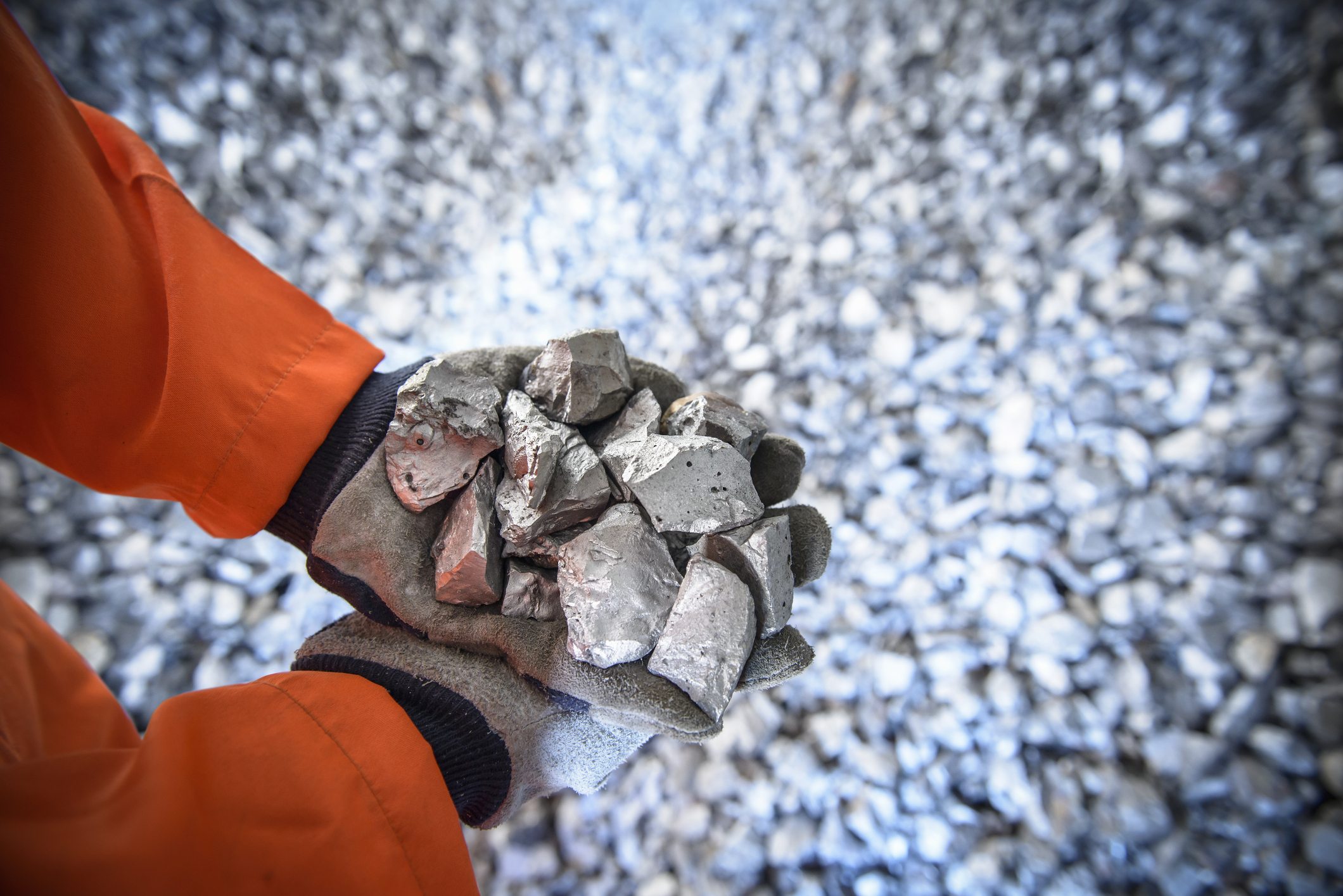

Despite large recent investments by the administration, the U.S. is becoming increasingly dependent on foreign critical minerals (POLITICO’s GREENWIRE, subscription).
What’s going on: “The nation now relies solely on foreign imports for 16 critical minerals, and China is a top producer of at least half of those materials, according to the U.S. Geological Survey’s annual mineral commodity summaries released Friday.”
- The list includes materials crucial for defense and energy technologies, such as graphite, titanium and manganese.
- In 2024, the U.S. was solely reliant on foreign sources for 15 critical minerals.
Why it’s happening: The change from 2024 “is due to the U.S. becoming 100% reliant on imports of titanium sponge, which is used to make aircraft structures, engines and munition, according to USGS.”
The sources: In addition to China, Canada, Germany, Japan, Mexico, South Africa and Brazil are top sources of U.S. critical minerals imports.
Working to loosen China’s grip: The administration has injected billions of dollars into the mineral sector, taken equity stakes in private mining companies and approved projects such as the Ambler Road mining undertaking in Alaska.
- It’s also “set aside $5 billion under the Cold War–era Defense Production Act for minerals, as well as $100 billion in loan authority through the Department of Defense and $2 billion for the National Defense Stockpile, USGS noted.”
The long game: But those deals may take some time to show up in reports, according to the agency.
- “We’re not likely to see changes in the mining sector because it just moves a lot slower in the interim,” USGS National Minerals Information Center Director Braden Harker told reporters. “Where you’ll see those capacity improvements the soonest is in the processing.”
Manufacturing action: “Strengthening domestic mining output and processing capacity, while working with allies to ensure strong, reliable mineral supply chains, is critical to manufacturers,” said NAM Senior Director of Energy and Resources Policy Michael Davin and NAM Director of International Policy Rachel Minogue.
- “China’s stranglehold on critical minerals and rare earths threatens our energy, economic and national security. The NAM is driving forward holistic policy recommendations to bolster domestic industry and deepen strategic partnerships so manufacturers can compete across the globe.”