Listen: Public Health & Industrial Cleaning Practices for COVID-19
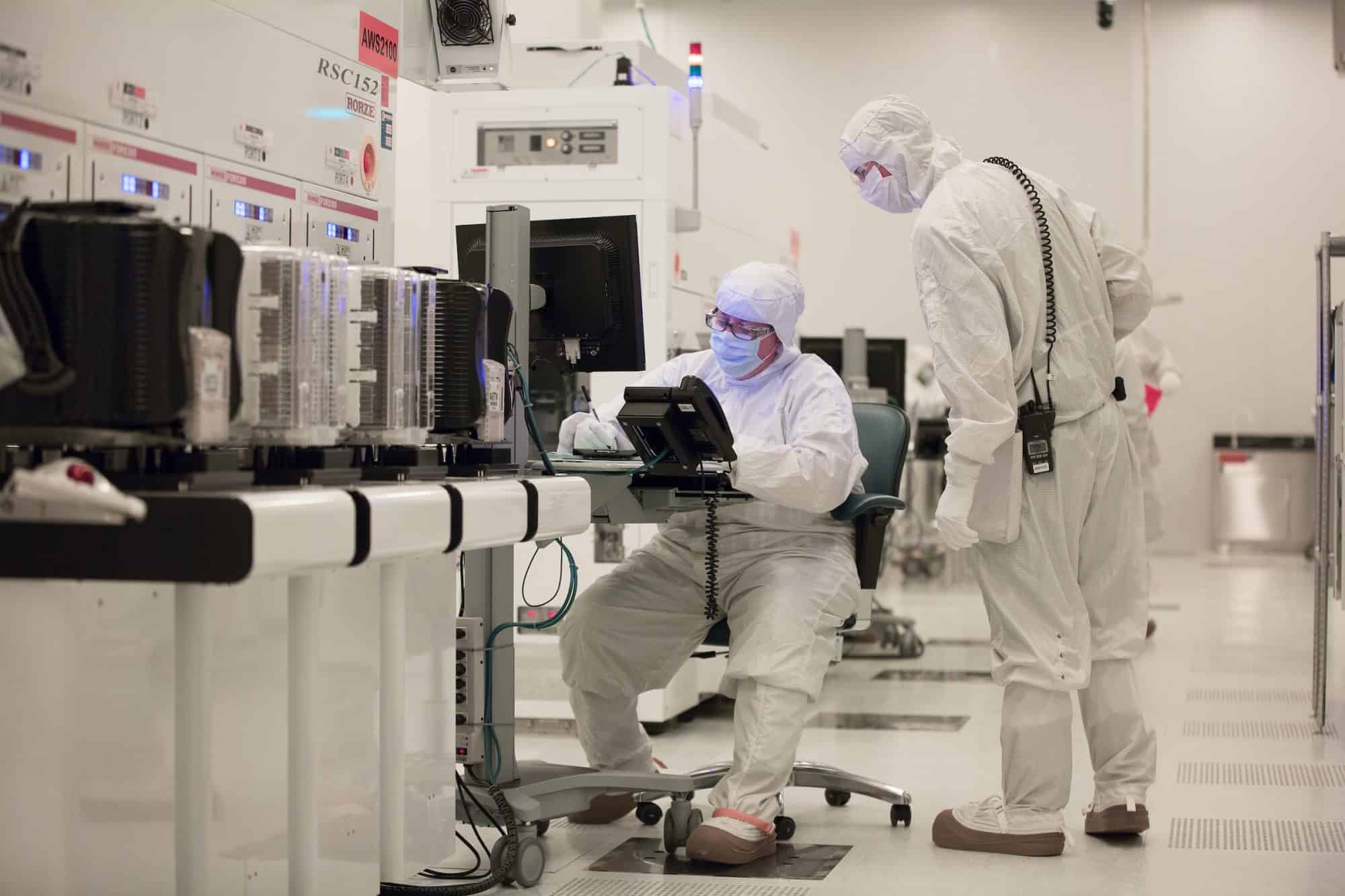
On April 1, the National Association of Manufacturers and the NAM’s Manufacturing Leadership Council hosted a phone call to discuss best practices for public health and industrial cleaning as part of the COVID-19 response. The call included remarks from Manufacturing Leadership Council Executive Director David R. Brousell; Eli Lilly and Company Chief Financial Officer Josh Smiley; and Ecolab Global Food and Beverage Division Research, Development and Engineering Food Safety and Quality Program Leader Dr. Tatiana Lorca.
Brousell discussed the importance of industrial cleaning to the overall effort against COVID-19, and led a question-and-answer session with participating manufacturers.
“We’re hopeful that the information from this call will help guide your own thinking on ways to protect and defend the people in your plants and factories and in your factory environments,” said Brousell.
Dr. Lorca emphasized there is currently no evidence COVID-19 is transmitted to humans through food or through packaging materials, but cautioned that the virus is new and still has some unknowns.
“The primary route of transmission is person to person, so the best way to protect ourselves, our employees, our families and our communities and customers is to follow standard infection control practices,” said Dr. Lorca. “The good news is that the virus is an enveloped virus, and we know that enveloped viruses are vulnerable to disinfection, which means we can use approved disinfectants to kill the coronavirus on surfaces.”
Dr. Lorca highlighted standard safety practices like properly washing hands and cleaning and disinfecting high-touch surfaces, including utensils. She explained the difference between sanitizers and disinfectants, the latter of which tend to be more effective for destroying COVID-19 on surfaces. She also encouraged manufacturers to check the U.S. Environmental Protection Agency’s publicly available list of products that are known to kill the virus when selecting a disinfectant and to follow the instructions for use posted on the product’s label.
Smiley discussed Lilly’s efforts to protect the supply chain, including the supply of insulin; to keep employees safe and productive; and to address the pandemic by developing a therapeutic antibody with pharmaceutical company AbCellera Biologics, Inc. He also spoke about Lilly’s work to support their community by conducting testing in Indianapolis and their work to keep business moving.
“We’re trying to figure out—all of us—how to keep employees safe and healthy while we carry on our business,” said Smiley. “Lilly’s mission is to make life better for people around the world, and we’ve use that as our guiding principle…Lilly is bringing the full force of our scientific and medical expertise to attack the coronavirus pandemic.”
The conversation can be accessed here.
The NAM is continuing to provide coronavirus resources for manufacturers, connecting businesses with guidance from appropriate government officials and agencies and providing updates on the state of the manufacturing industry.
Manufacturers Package Critical Products
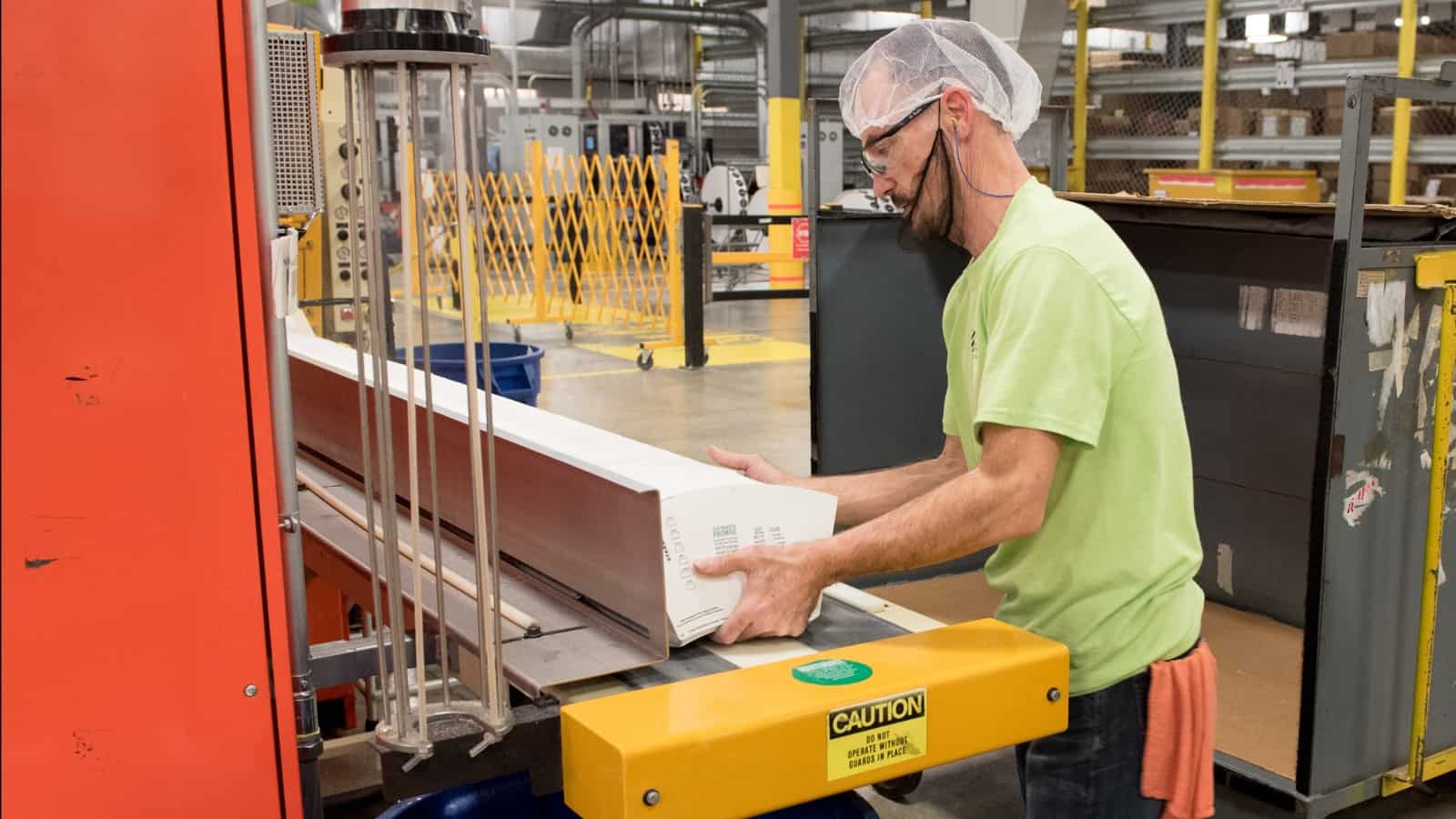
As businesses nationwide respond to the ongoing COVID-19 pandemic, Graphic Packaging International (GPI) —an Atlanta-based manufacturer of paperboard and paper-based packaging with more than 80 facilities and more than 19,000 employees worldwide—is demonstrating how the work that manufacturers do is indispensable, not only to help combat the COVID-19 pandemic, but also to ensure that families have the essential supplies they need for daily life.
GPI’s products include packaging for N95 respirator masks that protect medical personnel, as well as filter frames for residential and industrial air conditioning, heating and air handling systems, all of which are crucial for frontline efforts against the virus. They also supply packaging for cleaning products and tissue, which are in increasingly high demand during this global health crisis.
Its substantial share of the North American food, beverage and foodservice paperboard packaging market makes Graphic Packaging critical to feeding, hydrating and protecting the population of the United States.
“Before the pandemic, I probably took for granted our role and importance in the essential products value chain,” said Andrew Johnson, GPI’s vice president of government affairs and sustainability. “The pandemic has amplified the importance of Graphic Packaging, as we are vital to ensuring food and other critical products reach consumers across the nation.”
Johnson has three pieces of advice for other manufacturers seeking to perform their critical roles during this uncertain time. First, it is important to keep employees safe and healthy and to provide them with the most current information on how to stay safe on the job and at home. Second, as the ongoing epidemic strains supplies of vital products, manufacturers should look for ways to adjust their existing infrastructure in order to make high-demand products. Third, he says, manufacturers should stay engaged with industry associations in order to provide immediate feedback and help government representatives develop effective policies in real-time.
“The importance of manufacturing has never been clearer,” said Johnson. “Whether the manufacturer is a part of the food value chain or personal protective equipment value chain, they make essential products for our nation.”
Johnson is also confident that his company and others will ensure industries and families have the support they need. “I believe in the innovative spirit of the manufacturing sector,” said Johnson. “When presented with a challenge, we will always step up.”
“Especially in challenging times, the world looks to manufacturers to deliver the products that sustain our industries and our people,” said National Association of Manufacturers President and CEO Jay Timmons. “Manufacturers are the engine of this country, and we intend to keep America moving forward.”
GM Shares COVID-19 Face Mask Blueprints with Other Manufacturers
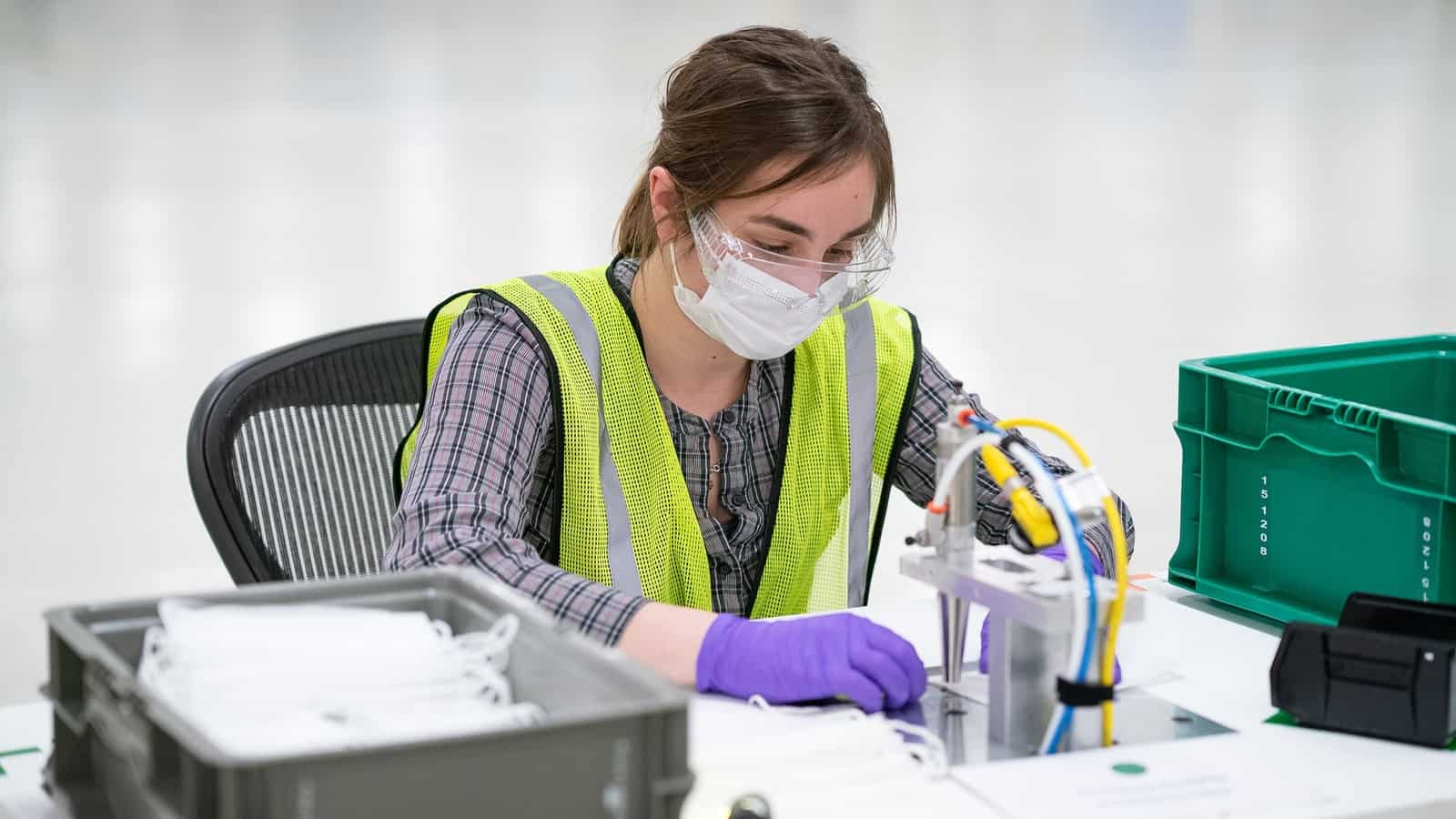
As health care workers and other frontline responders across the United States face personal protective equipment shortages, General Motors is stepping up to expand the country’s supply. It is increasing its own production capacity for face masks at its Warren, Michigan, facility. And to ensure that as many manufacturers as possible can ramp up production, GM has shared its mask manufacturing blueprints with its suppliers, as well as the Michigan Manufacturers Association (MMA) and the Original Equipment Suppliers Association (OESA). MMA is a state partner of the National Association of Manufacturers, and OESA is a member of the NAM’s Council of Manufacturing Associations.
“Our ultimate goal is to get more masks to the people who desperately need them,” said GM Vice President of Global Purchasing and Supply Chain Shilpan Amin. “And we recognize it would be counterproductive for GM—or any other manufacturer—to compete for supplies with existing medical mask companies. By making GM’s production processes available to the OESA and the MMA, we hope to facilitate other companies’ efforts to bring more materials, more equipment and ultimately, more face masks to the community.”
GM has already donated 500,000 face masks manufactured at the Warren facility to Detroit hospitals. At that facility, GM is adding two new lines—another to make face masks and a new line to make N95-style filtering masks.
“The Michigan Manufacturers Association has 1,700 companies across all industries, and many are looking for ways to help during this crisis,” said Michigan Manufacturers Association President and CEO John Walsh. “GM’s production plans and their willingness to share design specifications will be extremely appreciated as our members accelerate their own efforts to help during this crisis. GM’s efforts are a strong symbol of how manufacturing is driving solutions to solve this crisis.”
As COVID-19 continues to impact communities across the United States, manufacturers nationwide have repurposed existing processes and innovated to develop new ones in order to produce equipment and treatments that will combat the virus and support health care workers.
“Throughout history, the men and women who make things in America have worked to keep our country moving forward,” said National Association of Manufacturers President and CEO Jay Timmons. “In this time of crisis, manufacturers are answering the call.”
Manufacturers can request the Face Masks Informational Blueprint here.
How One Manufacturer Is Helping School Labs 3-D Print Protective Gear
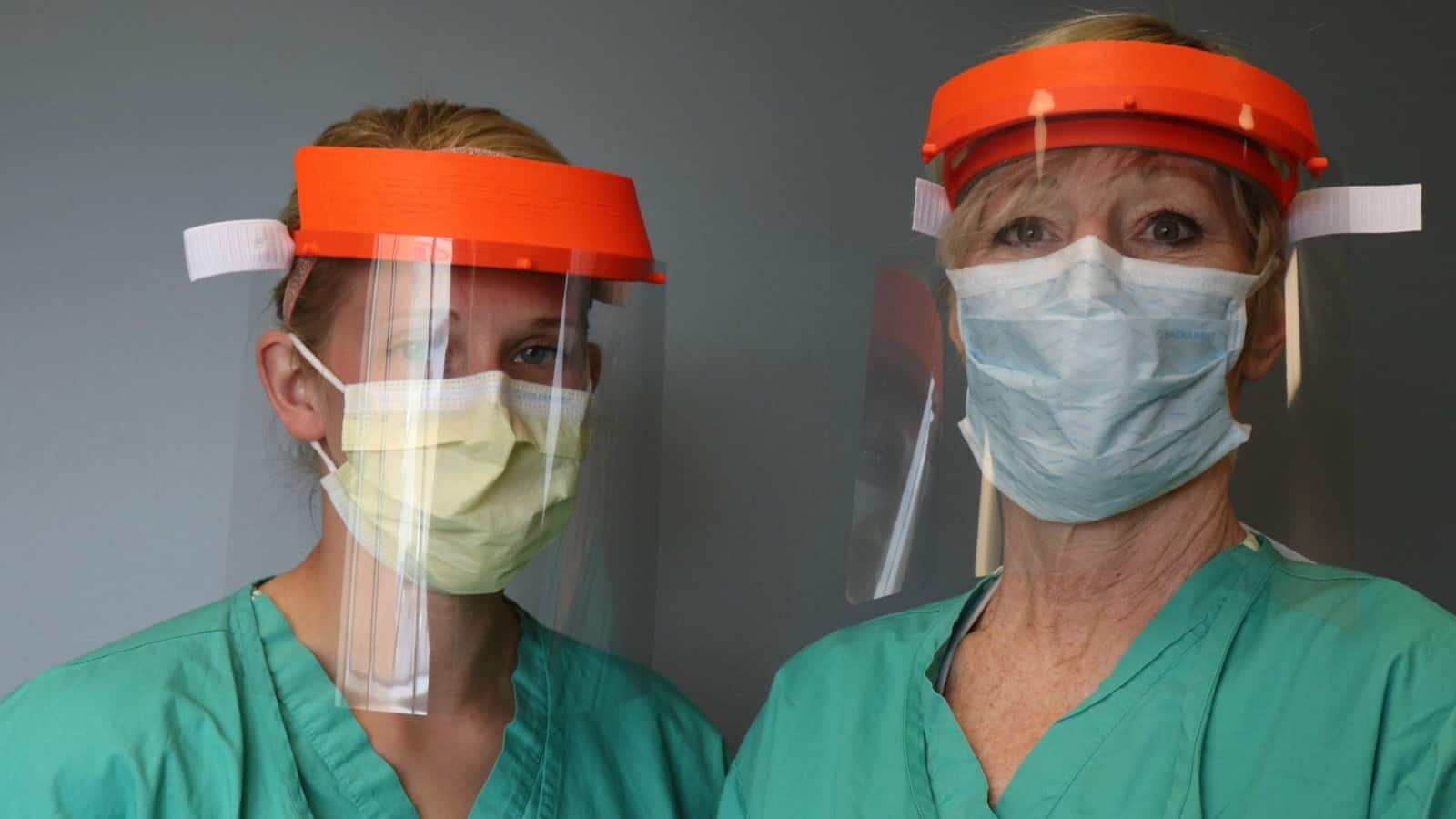
As manufacturers address COVID-19, they’re not only producing critical equipment and everyday necessities. They’re also helping their communities lend a hand. Behlen Mfg. Co., a global leader in steel fabrication based in Columbus, Nebraska, organized local labs with 3D printers to develop printable protective gear for health care workers.
Working alongside the labs at the local middle schools, high schools and college, Behlen is producing protective National Institutes of Health–approved face shields developed by Design That Matters around the clock. With schools closed, principals and staff are coming in during the day and on the weekends to gather completed equipment and reload the machines. Two weeks after they first began discussing the program, the company had already helped to provide 255 shields to local hospitals, another 25 to local dentists and 15 to a local nursing home—with many more on the way.
Behlen also expects to ramp up production. A former employee who is now the director of the plastic injection molding lab at a local college has been working on a more sophisticated mold for the mask’s framework. Once that work is complete, they believe they could cut production time from 2.5 hours per mask to just 20 seconds.
“We need to be leaders out there and think outside the box,” said Behlen Mfg. Co. General Manager for Customer Fabrication Heather Macholan. “All of us in manufacturing have untapped skills—and right now, we need to be innovators even more so than we already are.”
Macholan also spoke from a personal perspective about the work Behlen is doing. As a 2013 honoree of The Manufacturing Institute’s STEP Ahead Awards, which celebrate women in science, technology, engineering and production careers who exemplify leadership within their companies, Macholan is proud to help her company serve as a model for young people who might be interested in working in the manufacturing industry one day.
“It’s a way for me to close the loop,” said Macholan. “Kids who are involved in science, technology, engineering and math programs are seeing from our work that manufacturing can make a difference—even in a pandemic. Maybe it’ll spark some innovation, and maybe it’ll encourage somebody who hadn’t thought about it before to go into those types of fields. To me, that’s what’s most gratifying.”
Macholan encouraged other businesses to use untapped skills and resources to support the effort, whether by rethinking existing processes or coming up with new projects to deliver essential needs.
“Manufacturers are masters of dealing with chaos,” said Macholan. “We know how to think on our feet. We know how to change things to meet the needs of the customers. That’s what we provide—and that’s how we will weather this storm.”
“Innovation is at the heart of what manufacturers do every day,” said National Association of Manufacturers President and CEO Jay Timmons. “As we confront this serious challenge, the dedicated efforts of manufacturers across the country are making progress possible.”
Manufacturers Step Up for Their Communities
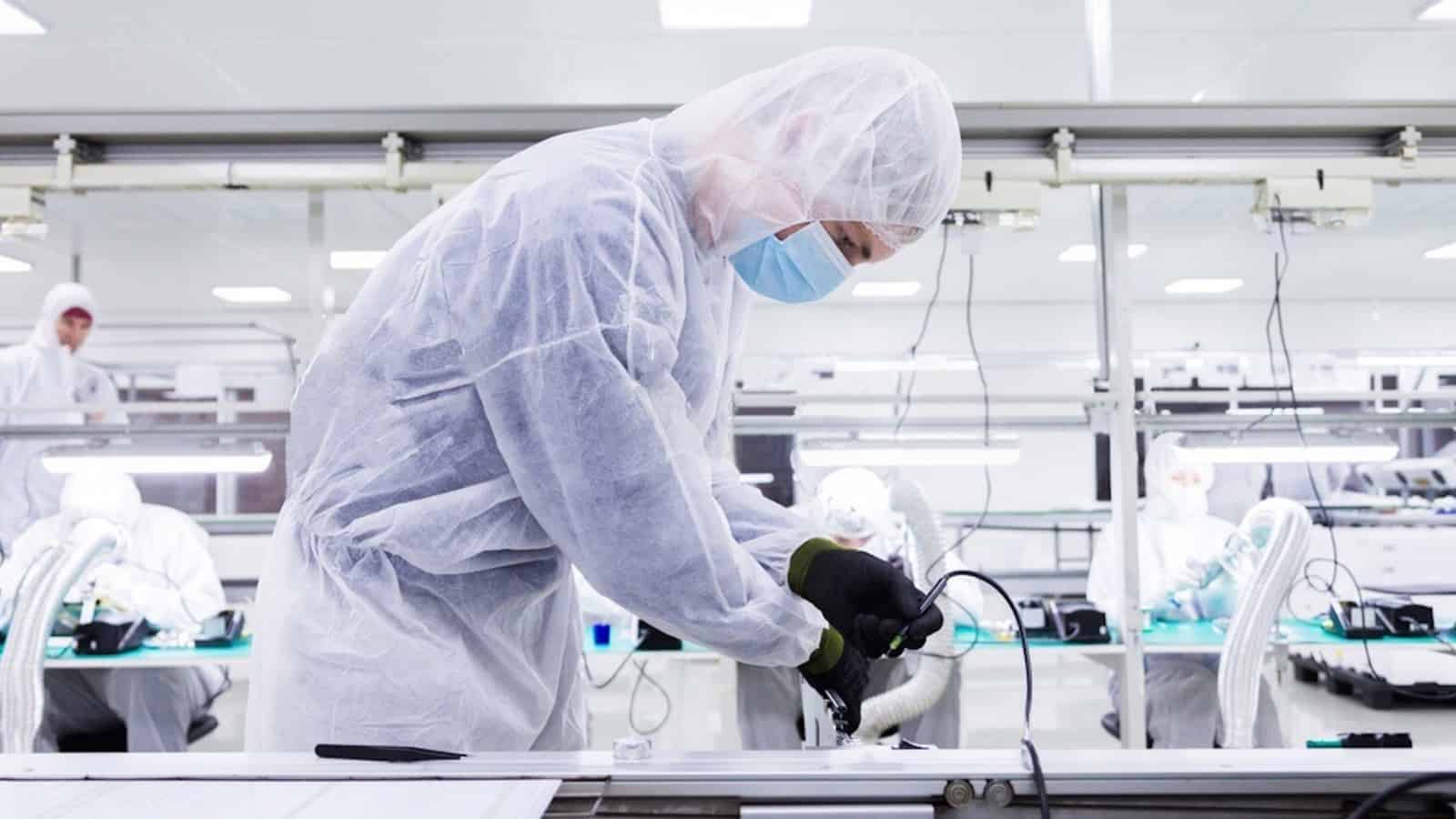
Across the country, the men and women who make things in America are working tirelessly to combat the COVID-19 pandemic. At ID4A Technologies, a global manufacturing technology and industrial automation company based in San Francisco, California, that effort takes many forms as its leadership leverages funds, high-tech infrastructure, advanced manufacturing capabilities and global networks to support frontline workers and vulnerable communities.
ID4A is approaching the challenge in two ways. First, it is supporting the manufacturing and distribution of critical medical devices and health care products. The organization has already donated $5 million from its profits and raised a total of $30 million from shareholders and its leaders are collaborating with partners in 25 countries to rapidly increase the production and distribution of essential products and devices that support frontline workers. Second, the company is supporting hard-hit individuals in their own community by donating $1 million to 10 schools for underserved students in the San Francisco Bay Area, which will help provide critical services for more than 3,000 low-income children and their families.
“Industry leaders have an opportunity to step up and contribute in impactful ways, whether it is by donating supplies, providing funds to relief efforts, supporting their employees or helping their communities get through the COVID-19 crisis,” said ID4A Technologies CEO and Founder Rania Hoteit. “Now is the time to demonstrate a heroic leadership and a bold mindset to not only persevere but innovate, drive and thrive.”
This year, The Manufacturing Institute, the National Association of Manufacturers’ workforce and education partner, named Hoteit a 2020 STEP Ahead Award honoree. This distinction recognizes women in Science, Technology, Engineering and Production careers who exemplify leadership excellence within their companies.
In addition to working directly on COVID-19 response, ID4A Technologies is assisting other manufacturers with new work configurations. For example, it’s helping other manufacturers reconfigure processes to support social distancing, secure networks and control systems, implement safety measures to protect field workers, support shifts toward remote work and alter product lines to increase the production of medical devices, ventilators and protective gear.
“Although COVID-19 is impacting every business in one way or another, there are unique pressures that the manufacturing industry is facing,” said Hoteit. “If health care workers are the front line heroes fighting against this global pandemic, manufacturing workers are the hidden heroes meeting the large-scale production demand from consumers and ensuring the world has all the supplies and the products it needs to survive, operate, connect and stay safe.”
“Across the country, the men and women who make things in America are delivering for their communities and their country,” said National Association of Manufacturers President and CEO Jay Timmons. “I could not be prouder of their incredible work, or more grateful for their commitment to the cause.”
Small Manufacturer Leverages Tax Reform to Weather Tough Times

Rex Heat Treat, a commercial heat treatment company serving industries from aerospace and transportation to construction and defense, is tapping its tax reform benefits to support its workers, strengthen its business and invest in its future. A family-owned company since 1938 with facilities in Lansdale and Bedford, Pennsylvania, and Anniston, Alabama, Rex Heat Treat has been able to keep employees on board and purchase critical new equipment, even in challenging times.
“Without the benefit of tax reform, we might not be sitting in as good of a situation as we are,” said Rex Heat Treat General Manager Johnathan Rex. “We’d be a lot leaner in our bank account, possibly needing to draw on a line of credit to make payroll otherwise. As we weather the effects of COVID-19, these benefits will help us. Our business has more time to maintain our critical infrastructure workforce should this current situation continue on.”
In particular, the manufacturer has been able to use “full expensing,” which allows businesses to take a tax deduction for the cost of new equipment in the year it is bought, rather than taking smaller tax deductions over several years. This reduces the cost of buying capital equipment and accelerates depreciation deductions for manufacturers and business owners, which decreases the company’s tax bill in the year of purchase and frees up cash for that purchase. For a capital-intensive industry like manufacturing, where the latest technology is key to production, this kind of support can be vital, especially among smaller manufacturers with tighter margins.
“Full expensing allows us not just to accelerate the last investment we made but to accelerate the next one—because it’s cash in hand,” said Rex. “We want to do this as quickly as possible, but you can also run your business into the ground if you invest too quickly. Allowing a company to aggressively invest in itself and maintain some cash is a big help.”
As manufacturers around the globe deal with the challenges posed by COVID-19, tax reform has helped give small businesses the resources to protect their employees and their customers.
“Tax policies that allow manufacturers to keep and invest more of their earnings are critically important in uncertain times,” said National Association of Manufacturers Vice President of Tax and Domestic Economic Policy Chris Netram. “As we respond to today’s challenges and prepare for the future, building upon pro-growth policies like these can help support workers, businesses and communities nationwide.”
Manufacturer Cleans Medical Facilities’ Air During COVID-19
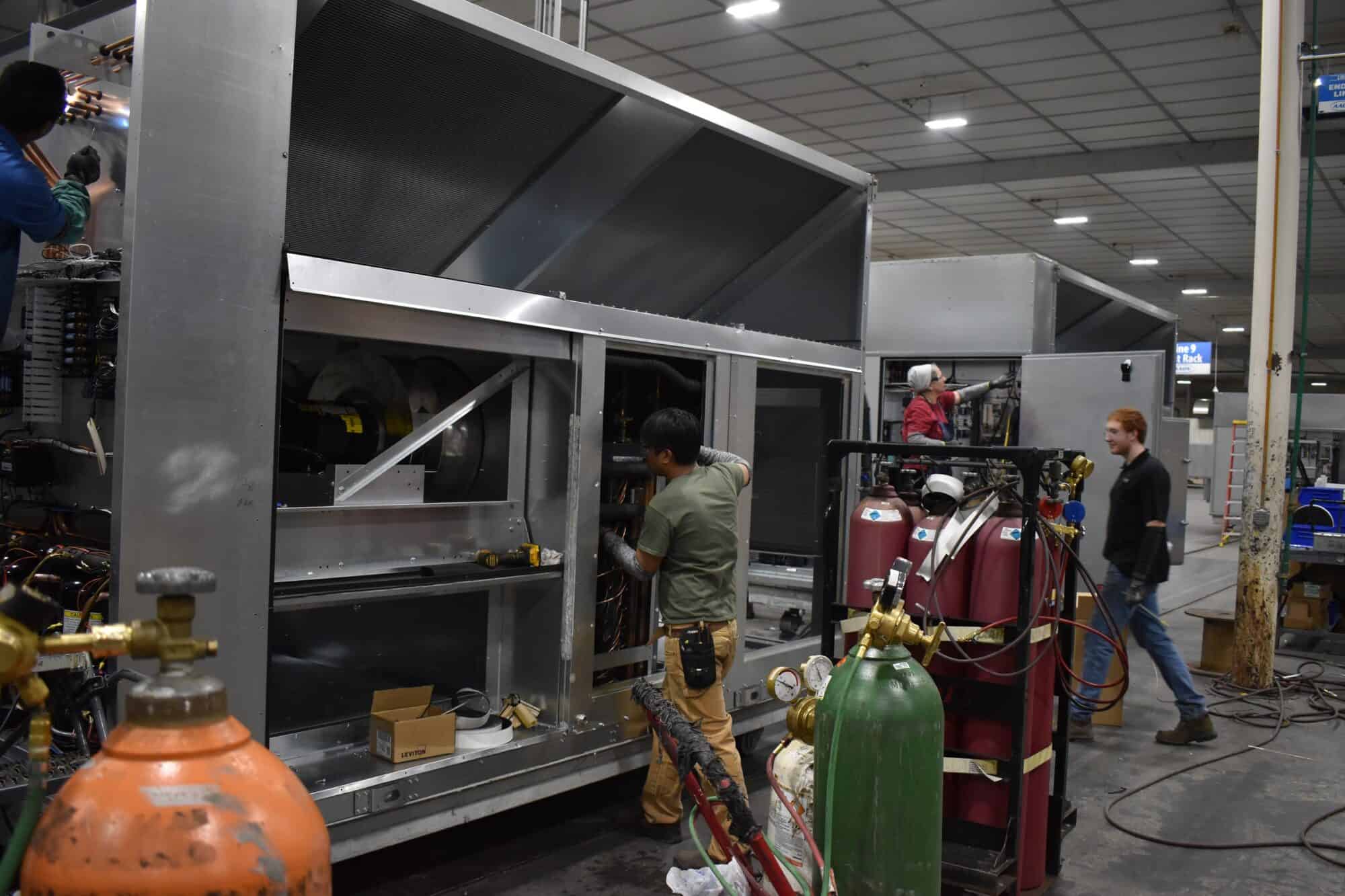
Overwhelmed medical facilities are expanding and placing urgent orders for HVAC systems, putting AAON, Inc., a commercial heating and cooling equipment manufacturer based in Tulsa, Oklahoma, on the front lines of the fight against COVID-19.
On March 29, AAON President and Director Gary Fields received a phone call from one of their sales partners in New York City regarding the need for a new temporary hospital.
“The city was a hotspot for coronavirus. Its permanent care facilities were overwhelmed,” said Fields. “City officials wanted to know what AAON could do to get a temporary space up by April 18. A total of three weeks.”
The temporary medical facility would need heating and cooling units with HEPA filtration systems, which are required in most medical facilities to ensure that recirculated air is clean. That meant standard “off-the-shelf” products wouldn’t work. AAON’s existing inventory also would not fit the bill. The facility needed something big enough to serve large spaces with only a few connections and small enough so the units could be unloaded and positioned using a traditional crane. So AAON sprang into action to design and manufacture the right products.
By the following evening, the project had begun to take shape. The temporary medical facility would involve a total of five tents, requiring 2,200 tons of air conditioning equipment with HEPA capabilities. On March 31 at 5:30 p.m., AAON received the official order. By the next morning at 6:00 a.m., the first of 44 identical 50-ton units began moving down the production line.
AAON team members worked around the clock to complete the order. Three days later, they completed the 44th and final unit, and by April 6, the units had all been delivered—well ahead of schedule.
In addition, AAON has been simultaneously producing other COVID-19 emergency supplies. The State University of New York College at Old Westbury requested 36 similar HVAC units to serve as an additional temporary medical site, and the manufacturer is currently filling orders for facilities in Cranston, Rhode Island, and Denver, Colorado, as well. AAON also recently sent five prototype UV light cabinets to a Springfield, Missouri, hospital, which plans to use them to disinfect masks and other materials.
“AAON was pleased to participate in the effort for this urgent shipment,” said Stephanie Cameron, Community Relations Administrator at AAON, who is also a member of the Manufacturing Institute’s Board of Advisors and a 2015 STEP Ahead Awards Honoree. “As an essential manufacturer of HVAC systems, we are doing all we can for our customers that have AAON equipment on critical infrastructure, and those customers that need new equipment or parts for critical infrastructure.”
Manufacturers around the country are stepping up to help their communities during this pandemic.
“In tough times, the men and women who make things in America can always be counted on to lead the fight,” said National Association of Manufacturers President and CEO Jay Timmons. “Today, manufacturers are delivering on that promise and working to keep America healthy and strong.”
Manufacturer Bears Down on COVID-19
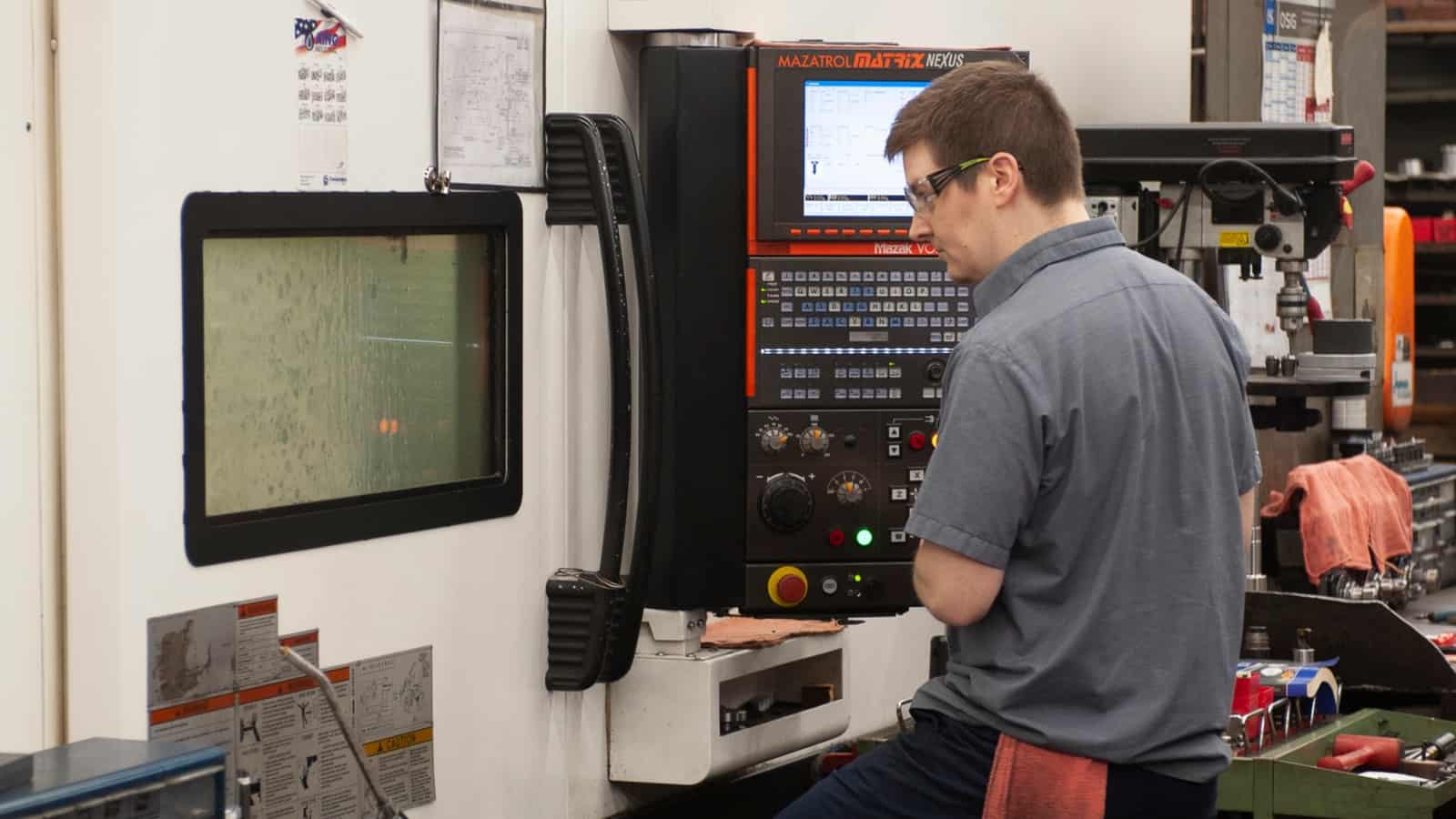
Ketchie, Inc., a woman-owned, North Carolina-based manufacturer with 26 employees, has been supplying a mounted ball bearing product line to distributors since 1975. Now it is a critical part of the nation’s response to the COVID-19 pandemic.
Many of Ketchie’s bearing products go through a network of industrial distributors that supply hospitals across the United States. One customer in California creates cooling towers, most of which serve medical and health care facilities. Another manufacturer’s housed rubber bearing units supplied by Ketchie will be going into blower units circulating fresh air into New York City hospitals, where the COVID-19 outbreak has been particularly widespread.
As governors around the country consider whether to shutter workplaces or declare them essential, Ketchie, Inc. President Courtney Silver argues that manufacturers at all levels are doing indispensable work.
“It’s all interconnected,” said Silver. “It takes all the big corporations and all these smaller businesses across the country to make it all work.”
Beyond its own need to keep running in order to supply hospitals and other critical infrastructure such as water and sewage plants and power companies, which all experience more stress during a pandemic, Silver emphasized how various components of the supply chain are vital to her manufacturing operation.
“We rely on foundries for castings, because I have to machine that casting to make that bearing housing, and then I rely on bearing manufacturers to make my inserts, and then I assemble and ship it out,” said Silver. “Even the little grease fitting that I would screw into the top of the bearing housing—I need my fastener distributor open and shipping me grease fittings. They seem like the littlest things, but we all have to support each other and continue to work through this time together.”
Ketchie is already following guidelines from the Centers for Disease Control and Prevention, including ensuring that all employees are working at least six feet apart and frequently sanitizing high-touch areas. As government officials consider whether facilities like hers should continue to operate, Silver hopes to continue doing her part for the COVID-19 response.
“Every small business is in a cash crunch,” said Silver. “I’m confident we can get through this. We’re trying our best to remain positive and take the time to see what we’re learning so we can come out even stronger.”
“We are facing an extraordinary challenge, and America’s manufacturers are helping to lead the charge,” said Jay Timmons, president and CEO of the National Association of Manufacturers. “Across the country, manufacturing heroes are supporting our infrastructure, strengthening our health care systems and creating the innovations that will save lives. As we have throughout history, in this time of crisis, manufacturers are answering the call.”
CARES Act Offers Support for Manufacturers Affected by COVID-19
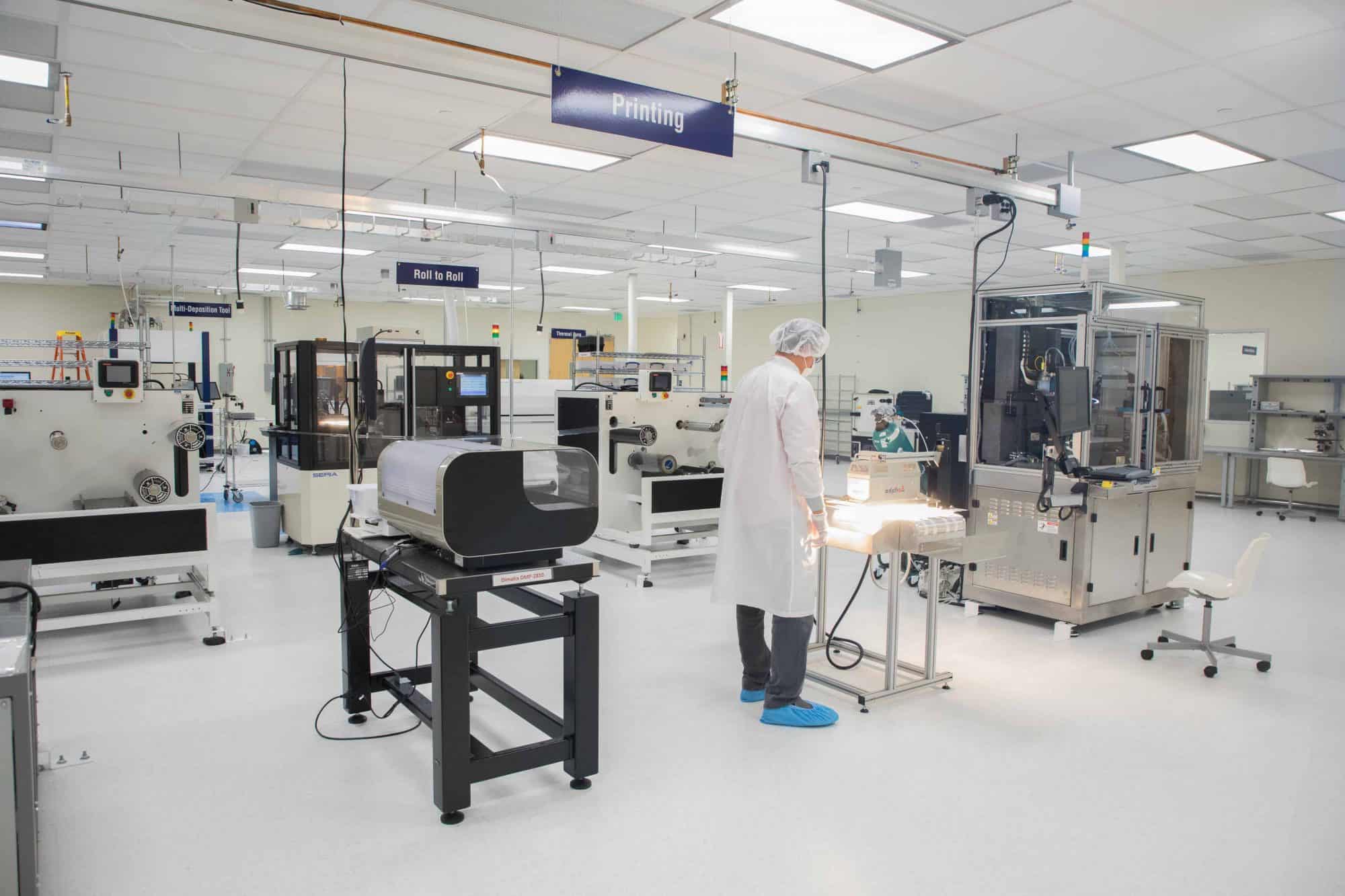
On March 27, 2020, President Trump signed the Coronavirus Aid, Relief and Economic Security Act, or CARES Act. National Association of Manufacturers Director of Tax and Domestic Economic Policy Charles Crain explains its significance.
What is the CARES Act?
The CARES Act is essentially a rescue vehicle for the economy. It’s not a long-term stimulus package, but rather a short-term emergency spending package to provide a specific injection of funds right now.
We’re facing a dramatic economic slowdown. Businesses don’t have the capital they need to operate because there’s not a lot of commerce going on. People are staying safe, staying inside and spending less money than they ordinarily would, and that has an impact on the economy generally and businesses specifically. The CARES Act is designed to provide capital for businesses and capital for families to weather the crisis.
How does the CARES Act help?
It does a number of different things. Because of the NAM’s leadership and advocacy, the CARES Act includes many of manufacturers’ priorities—priorities we first outlined in the NAM’s “COVID-19 Policy Action Plan Recommendations.”
First, the CARES Act offers almost $350 billion in loans to small businesses. The Small Business Administration Paycheck Protection Program provides loans up to $10 million, and as long as the loans are used to keep employees on payroll or on certain overhead costs like rent, mortgage interest or utilities, that loan will be forgiven.
Second, the CARES Act helps companies keep their employees, both through the PPP and through the Employee Retention Tax Credit, which allows eligible businesses that don’t use the PPP for payroll to claim a tax credit.
Third, the CARES Act allows for businesses to defer employer payroll taxes from March 27 until the end of this year, with half of it due at the end of 2021 and the other half at the end of 2022.
Fourth, it temporarily increases allowable interest deductions from 30% to 50% for 2019 and 2020, helping to provide critical liquidity for businesses.
Fifth, it sends money directly to American families in the form of relief checks up to $1,200 per qualifying individual and up to $500 per child, which helps employees and business owners alike.
How can manufacturers access the programs they need?
There’s a wide range of agencies involved in this effort and many are operating on different timelines. The Paycheck Protection Program, for example, has already begun—eligible businesses can now apply for loans directly with their local lender. For our members, the NAM provides important deadlines and points of access, as we have done with information about loans and tax provisions so far.
Where can manufacturers get more information?
The NAM regularly updates COVID-19 resources for manufacturers. Helpful links for small businesses are also available.
Manufacturer Helps Patients Breathe Easier
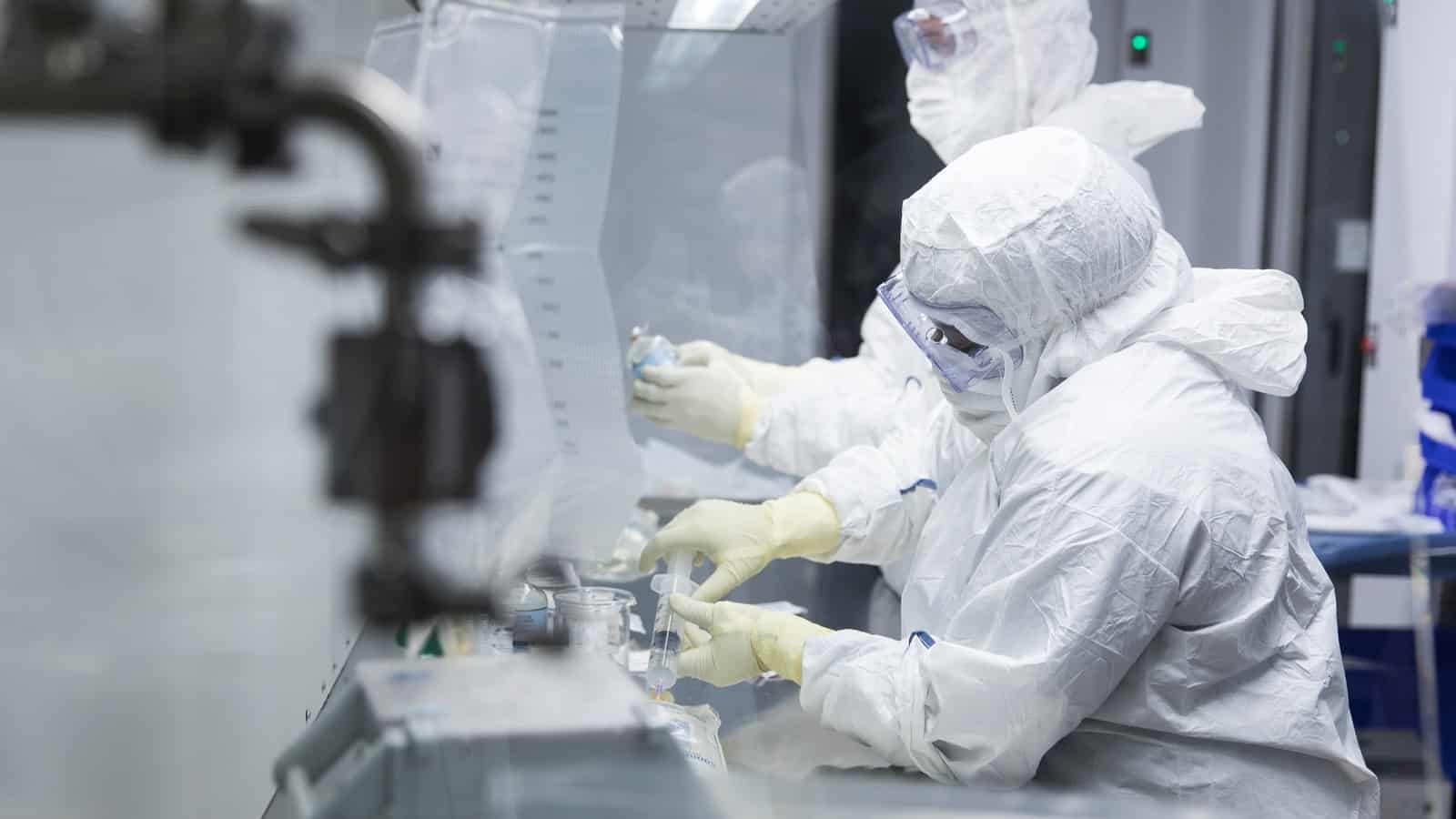
Nephron Pharmaceuticals Corporation, based in West Columbia, S.C., makes a significant portion of the nebulizer medicines used in the treatment of COVID-19 in the United States.
Typically, Nephron produces about 85 million doses of inhalation solution every month. As orders skyrocket for treatments used to combat respiratory illnesses like COVID-19, the manufacturer is working tirelessly to keep up with demand.
“We have all of our production lines going at 100 percent, and we’re rewarding faster changeover times to make sure we get them quickly cleaned, steamed and back in operation for the next batch,” said Nephron Pharmaceuticals CEO and owner Lou Kennedy. “We’ve more than doubled production. I predicted we might reach 110 million batches this month—and as of the end of March, we were at 193 million. We’re operating at max capacity, and orders are still coming in.”
Nephron has been in touch with federal regulators, including the Food and Drug Administration, seeking permission to open six additional product lines. Kennedy hopes to move forward with those additional lines in the near future in order to expand capacity and deliver additional products. So far, Kennedy has been encouraged by the FDA response.
“I can tell you that we have never seen a more responsive FDA,” said Kennedy. “All things are moving at breakneck speed, and I am so appreciative for that.”
In addition to serving patients across the country, Nephron is working to ensure that its employees stay safe and healthy, with temperature checks for every employee at shift changes and a ban on outside visitors at the facility. In addition to producing medication, Nephron is making hand sanitizer for employees’ use and will donate much of the surplus product to community organizations. In order to serve employees who need childcare assistance as schools close and daycare centers cease to operate, Nephron has organized a group of certified K-12 teachers to safely provide childcare from 8 a.m. to 5 p.m.
Even as some workplaces shut down, manufacturers like Nephron continue to produce and innovate at high speed, helping to deliver medical supplies and other essential products at a time of urgent need across the country.
“Every moment we’re involved in something new,” said Kennedy. “It’s just amazing how this country is coming together—and we’re so happy to do anything we can. Any little bit of help, we’re glad to do it.”
“In times of significant need, manufacturers have always stepped forward to answer the call,” said Jay Timmons, president and CEO of the National Association of Manufacturers. “As we face this period of challenge and uncertainty, we are delivering for our customers, for our communities, for our country and for the world.”