How Manufacturers Can Donate Effectively
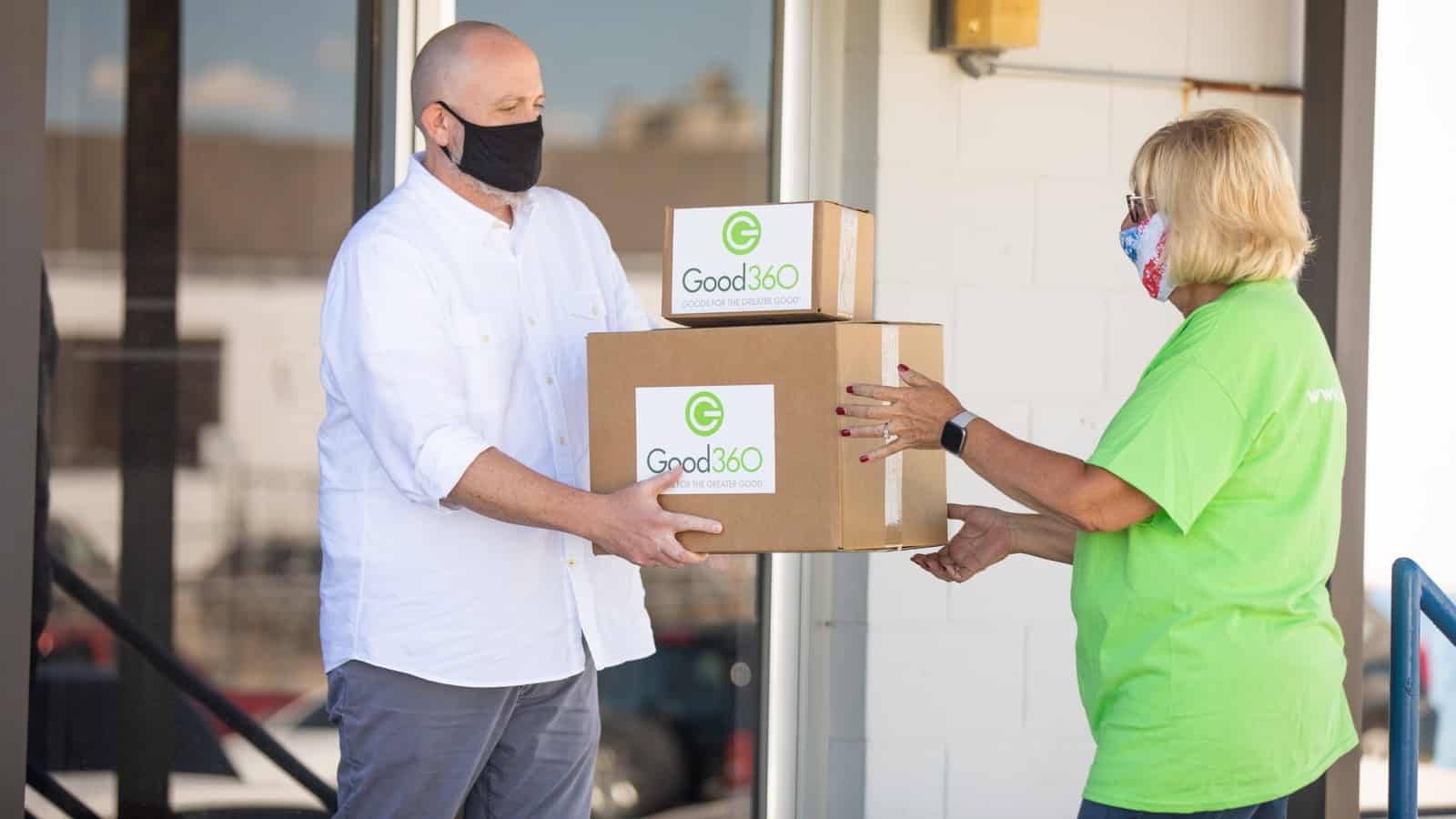
During a disaster, up to 60% of product donations are thrown away because they’re the wrong products at the wrong time.
That’s according to philanthropic organization Good360, which solves the problem by soliciting specific products and matching them with its network of 90,000 nonprofits. Now, it’s helping manufacturers provide much-needed supplies to the COVID-19 relief effort and prepare for a hurricane season during a public health crisis.
How it works: As a partner to the NAM, Good360 makes it as easy as possible for manufacturers to donate products.
- Once a manufacturer makes contact, Good360 will find out what and how much it wishes to donate and where the supplies are located.
- Then Good360 finds the right nonprofit to receive the donation—and picks it up and moves it where it needs to go.
How long it takes: Pickups happen within the week, with timelines typically closer to 48 hours.
What they need: Good360 is looking for everything from PPE for frontline workers to essential consumer products for families to toys and games for kids stuck at home. Critical needs include the following:
- N95 masks
- Face shields
- Tyvek coveralls/shoe covers
- Nitrile gloves
- Hand sanitizer
- Thermometers
- Soap
- Diapers
- Disinfectant wipes
- Baby formula
- Personal hygiene products (dental, cosmetics, soap/conditioner, lotions)
- Home cleaning supplies
- Paper products (plates, paper towels, toilet tissue)
- Boredom breakers (board games, cards, coloring books)
- Education materials
- Laptops and computers
Beyond COVID: As the U.S. enters hurricane season, Good360 is also preparing to respond to additional needs for products like shingles, building supplies and other vital materials.
How to help: Manufacturers that have products or financial support to donate should visit Good360’s online portal.
SCOTUS Protects LGBT Workers’ Rights
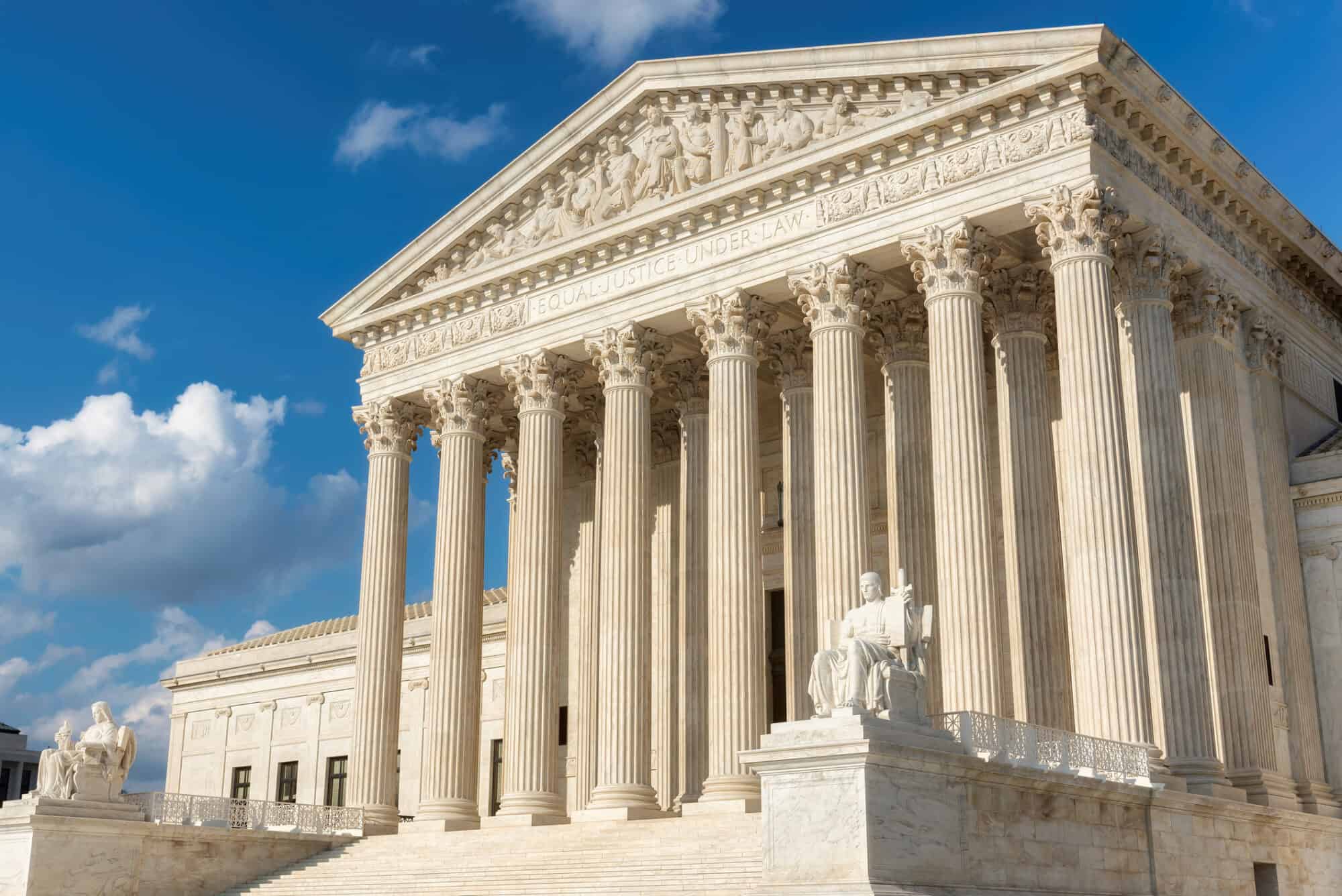
The Supreme Court ruled today that civil rights law protects employees from discrimination on the basis of their sexual orientation and gender identity, reports the Wall Street Journal (subscription).
The ruling: “The high court, in a 6-3 decision, said the broad language of the Civil Rights Act of 1964, which outlaws workplace discrimination on the basis of sex, should be read to cover sexual orientation as well.”
- “Conservative Justice Neil Gorsuch wrote the opinion, which was joined by Chief Justice John Roberts in addition to the four more liberal members of the court.”
Here’s the legal reasoning behind it:
- “[The] case was simple, Justice Gorsuch found. He focused on the text of the statute Congress passed in 1964, forbidding workplace discrimination against an individual ‘because of…sex.’”
- “There was no getting around it, he said: ‘An employer who fires an individual for being homosexual or transgender fires that person for traits or actions it wouldn’t have questioned in members of a different sex. Sex plays a necessary and undisguisable role in the decision, exactly what Title VII forbids.’”
NAM President and CEO Jay Timmons welcomed the news and said in a statement:
- “This ruling, one of the most consequential since Obergefell, not only sends a powerful message of inclusion and equality to millions of Americans but also affirms that LGBT Americans cannot be fired just for being their authentic selves as work.
- “Too many LGBT Americans go to work every day hiding who they are or whom they love because they believe that simply living authentically would mean losing their jobs and livelihoods. The Supreme Court has begun to lift that heavy emotional burden and made history by affirming that LGBT workers are entitled to federal protections too.
- “For our part, manufacturers are committed to building diverse and inclusive workplaces, a mission that has taken on renewed importance in recent weeks. We will continue to be advocates for equal opportunity and champions for justice—because ultimately we know that diversity and inclusion makes our workplaces stronger, just as it makes our country stronger.”
NAM Executive Committee Passes Resolution to Support All People Who Face Injustice
Manufacturing Leaders Take Action to Advance Justice, Equality and Opportunity for Underrepresented Communities and Across Sector
Washington, D.C. – In the wake of the May 25 murder of George Floyd under the knee of a white police officer in Minneapolis, the National Association of Manufacturers’ Executive Committee unanimously voted to pass the Pledge for Action, an 11-point commitment plan for manufacturers to advance justice, equality and opportunity for black people and all people of color.
“My heart is heavy with recent events,” said Michael W. Lamach, chairman and CEO of Trane Technologies and chair of the NAM Board of Directors. “While the killing of George Floyd sparked this outcry, this is a crisis that has gone unaddressed for far too long. We introduced this Pledge for Action to demonstrate our companies’, our association’s and our industry’s commitment to being part of the solution and to stand against injustice and create a better future for the black community and all communities of color.”
Around the country and throughout the world, George Floyd’s death has spurred protest and action, highlighting the inescapable inequities that are too often downplayed and brushed aside by those with the power to make a difference.
Merck Chairman and CEO Ken Frazier addressed the June 11 Executive Committee meeting. He noted that, “Opportunity and equality have the power to change the course of not only an individual’s life, but of history. Through education, I was given the chance to overcome the opportunity gap that exists in this country, and I believe that this pledge, if taken to heart by the NAM members, can do the same for thousands of Americans and in particular African Americans.”
The Manufacturing Institute, the workforce and education partner of the NAM, will continue to support manufacturers’ efforts to improve diversity and inclusion in the workplace and to deliver on these new commitments. The MI, via its Diversity and Inclusion Pillar, will be deploying tools, resources and knowledge to help manufacturers put actions to their words and build more inclusive workplaces.
“This is a difficult time for our country, and manufacturers all have a role to be part of the solution—in our homes, in our companies and in our local communities,” said Chuck Wetherington, BTE Technologies president, NAM Executive Committee member and Small and Medium Manufacturers Group chair. “Our businesses are the hearts and souls of the communities where we live, and we have a responsibility to act. With this pledge, we are making a commitment to do what is right and urgently needed.”
As leaders who represent manufacturers in the United States, the NAM recognizes the integral role our industry has historically played in lifting up people and communities, and the opportunity and obligation we have now to stand with and support all people who face injustice.
“Manufacturers will do our part. All of us must recognize the systemic inequality and racism that black people in America face—and the role we must play in ending it. This industry is committed to delivering the change our nation needs,” said NAM President and CEO Jay Timmons.
Highlights from the Pledge for Action include the following:
- We will strengthen our workplaces as spaces where black people and all people of color will be heard, respected and celebrated.
- We will work to improve and increase representation of black people and all people of color at all levels of our companies and organizations—entry level, midlevel and senior level.
- We will expand education, training and scholarship opportunities in the manufacturing industry for black people and all people of color.
- We will remove barriers and open doors to modern manufacturing careers for those inside prisons and for those reentering society.
- We will encourage increased minority participation in democracy through voting, advocacy and other opportunities for influence.
- We will diversify the supply chain by providing equal opportunity for black-owned and minority-owned enterprises to do business with us.
To read the full Pledge for Action, visit nam.org/pledgeforaction.
-NAM-
The National Association of Manufacturers is the largest manufacturing association in the United States, representing small and large manufacturers in every industrial sector and in all 50 states. Manufacturing employs more than 11.7 million men and women, contributes $2.37 trillion to the U.S. economy annually and has the largest economic multiplier of any major sector and accounts for 63% of private-sector research and development. The NAM is the powerful voice of the manufacturing community and the leading advocate for a policy agenda that helps manufacturers compete in the global economy and create jobs across the United States. For more information about the Manufacturers or to follow us on Twitter and Facebook, please visit www.nam.org
Watch: The Economic Impacts of COVID-19 and Getting Back to Work
In a recent NAM webinar, three experts broke down the economic effects of COVID-19 and how companies can respond. Here’s a selection:
You can sign up to watch the full webinar here.
Anderson Fabrics Sews Masks and More
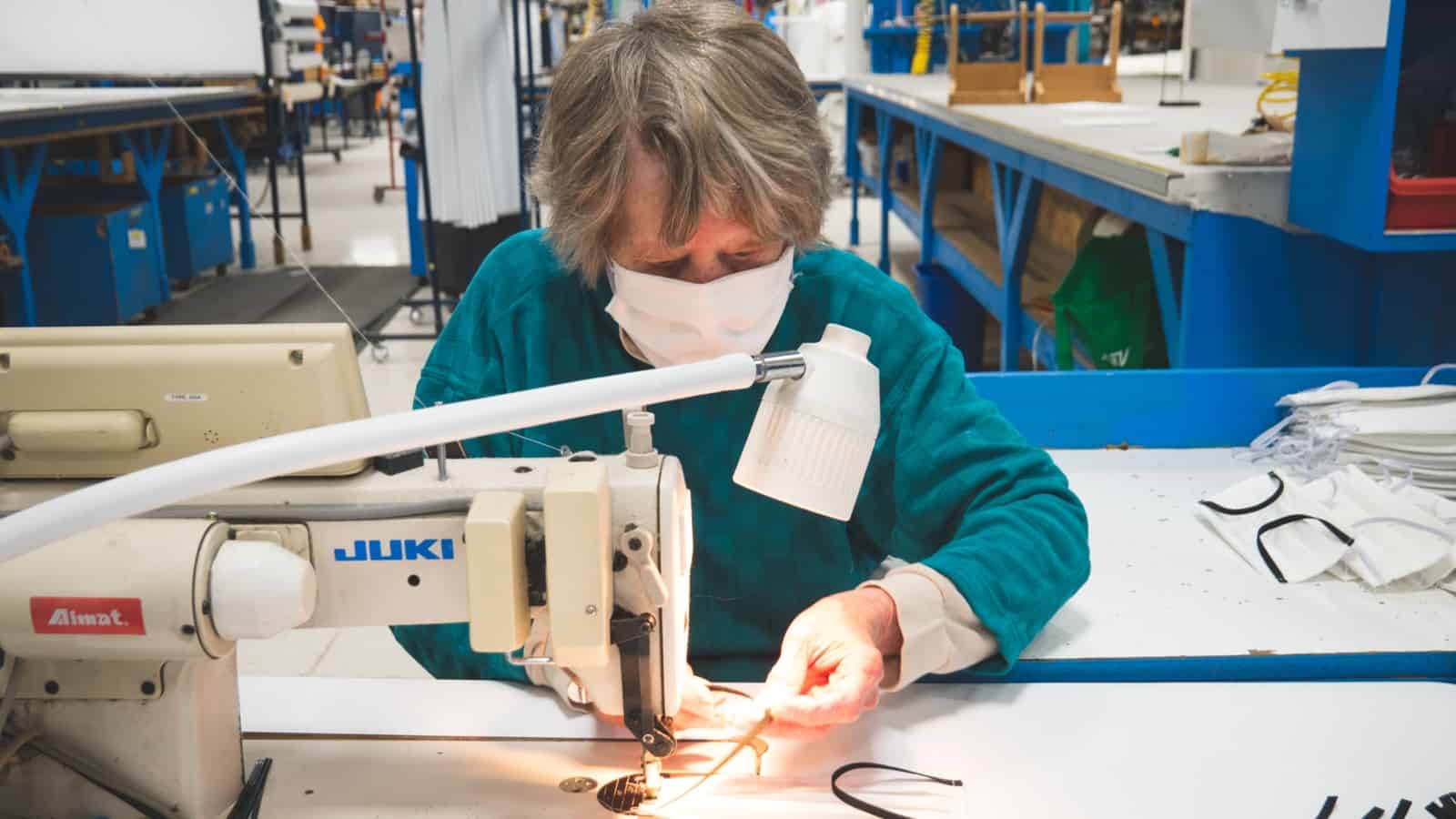
Right now, 86-year-old employee Nina Anderson is happily making masks and other protective gear at Anderson Fabrics. Nina (a distant relation of the company’s founders) has resisted her employer’s urging to stay home, and now works amid precautions that keep her and fellow employees safe—including social distancing, frequent cleanings, and PPE. She thinks of this as her mission.
The company says the same thing of its efforts. The Minnesota manufacturer, which normally makes window treatments, bedding and other interior design elements, was in an unusual position to help when COVID-19 hit. Few companies in the U.S. have hundreds of commercial sewing machines—and hundreds of employees who know how to run them—to make PPE this quickly.
What they’re making: 250+ employees are producing masks and ties of different varieties—including an original, fully adjustable mask, a mask with ties and custom accessory bands for elastic masks. All of these help relieve ear pain caused by extended mask use.
Plus, the company is also producing isolation gowns, booties, and hoods.
Who benefits: Anderson Fabrics has received phone calls from local healthcare operations, sheriffs’ departments, dentists, long-term care facilities and many other Minnesota manufacturers in need of specific PPE. It’s made a point of collaborating with any organization that needs assistance.
The numbers: The company has already sold or donated nearly 80,000 masks and currently has the capacity to produce between 2,000 and 3,000 per day.
And that’s not all . . . The company is also designing new products like reusable PAPR hoods.
PAPR hoods use positive air pressure and a face shield to keep outside air particles away from the wearer’s face. Generally, they’re disposable—but supplies are running short.
- The solution: Anderson Fabrics has been working with a large healthcare organization to create a PAPR hood that can be disassembled, laundered and reused to prevent shortages.
- The next step: The design will be submitted to the National Institute for Occupational Safety and Health and the FDA for approval and certification. The company hopes to make it available on a large scale soon.
In her own words: Recently, Nina wrote a poem about Anderson Fabrics, her fellow employees and the experience of so many COVID-19 responders. You can listen to Nina recite the poem here.
COVID-19 Testing: What Manufacturers Need to Know
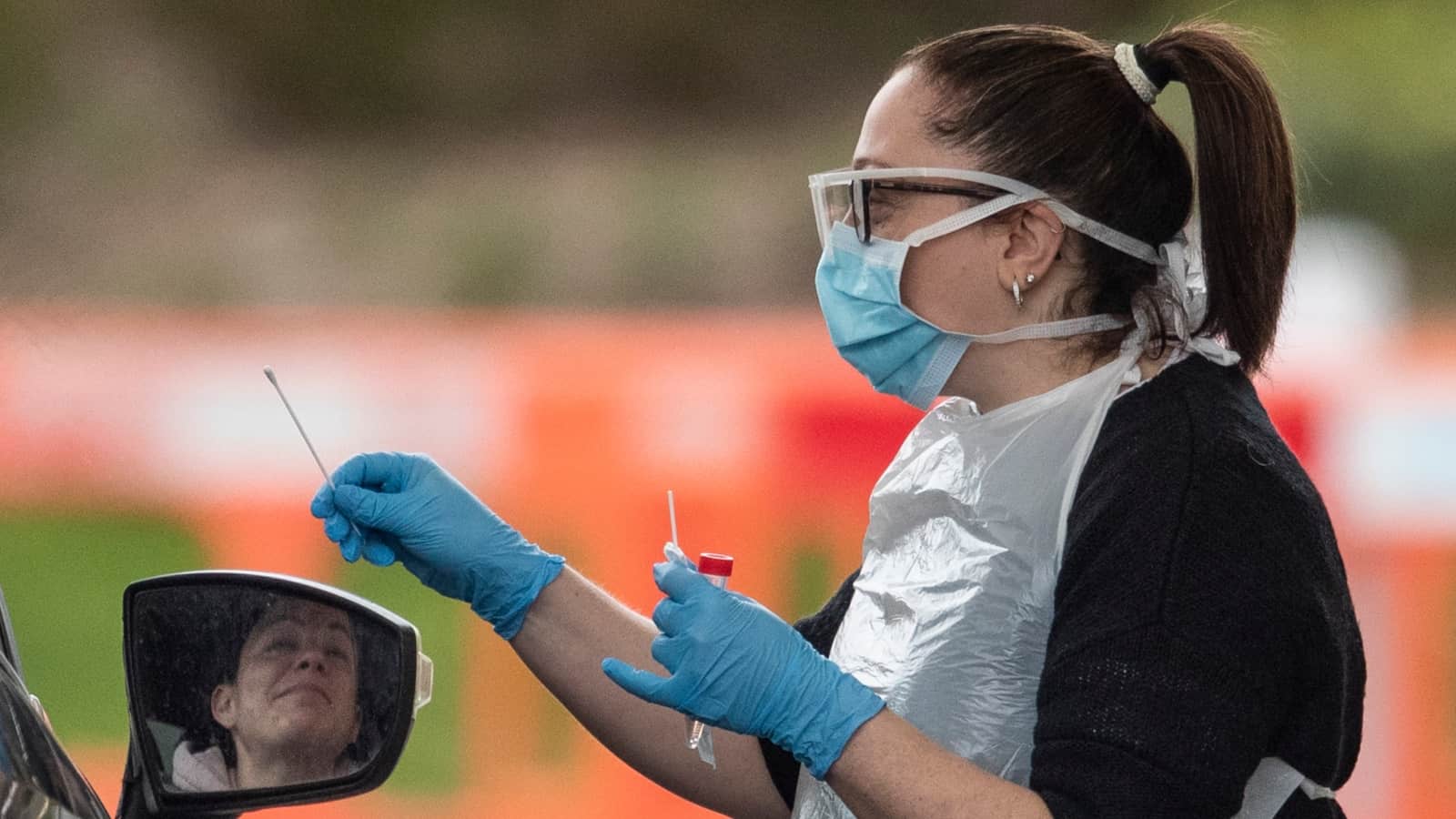
How can manufacturers help their workers get tested for COVID-19 and keep their communities safe? Many manufacturers are wondering about this, but information about testing is often unavailable, confusing or soon out of date. So we asked NAM Vice President of Infrastructure, Innovation and Human Resources Policy Robyn Boerstling to tell us what’s really going on.
What kinds of tests are available? “The situation changes weekly, if not daily,” warns Boerstling.
- New tests are in development and “coming online with greater frequency,” while the FDA is working to expand their availability quickly. A useful resource: the FDA’s primer on testing basics. The FDA has authorized approximately 113 tests to date.
- Meanwhile, HHS continues to focus on public-private partnerships that send tests to drive-up facilities in parking lots and similar places, she adds. A list of available community testing sites can be found here.
Currently, it’s still very hard for employers to get tests for onsite facilities, and the FDA has warned that tests bought from overseas suppliers may be unreliable. As Boerstling notes, the city of Laredo, Texas discovered that the tests it bought from China for half a million dollars were only 20 percent accurate.
Is anyone verifying the accuracy of these tests? Yes, but the process is ongoing and the FDA is adapting to a rapidly changing environment, says Boerstling.
- This week, the FDA announced a new verification tool for developers to improve testing accuracy.
- “The NIH is working with the FDA to validate existing tests, as well as with private researchers, including a group funded by the Chan Zuckerberg Initiative,” she notes.
- “Manufacturers should visit the FDA website frequently or check in with the NAM, which is monitoring this issue closely.”
Will the tests be processed in a timely manner? “The time it takes to process a test is changing regularly and depends on the capacity of the lab being used and the type of test,” says Boerstling.
- “Many NAM members have noted uneven lab capacity across the country.”
- As of now, more than 245 labs are currently providing testing under the policies set forth by HHS.
What is the federal government doing about this? Congress has provided aid to boost testing capacity, but its impact will be gradual, Boerstling cautions.
- “The recently enacted $484 billion COVID-19 relief package included $25 billion for broad testing initiatives. Currently, the NAM is working to see how employers fit into this equation,” she elaborates.
- Earlier this month, the administration announced that it sent $11 billion to states for testing support this month, along with about 12 million swabs.
Related: Of course, testing isn’t the only important tool for keeping employees safe. NAM President and CEO Jay Timmons has been stressing the importance of face coverings and other types of PPE as a COVID-19 mitigation strategy. Watch a recent video here.
How A Manufacturer Is Cleaning Hospitals’ Air
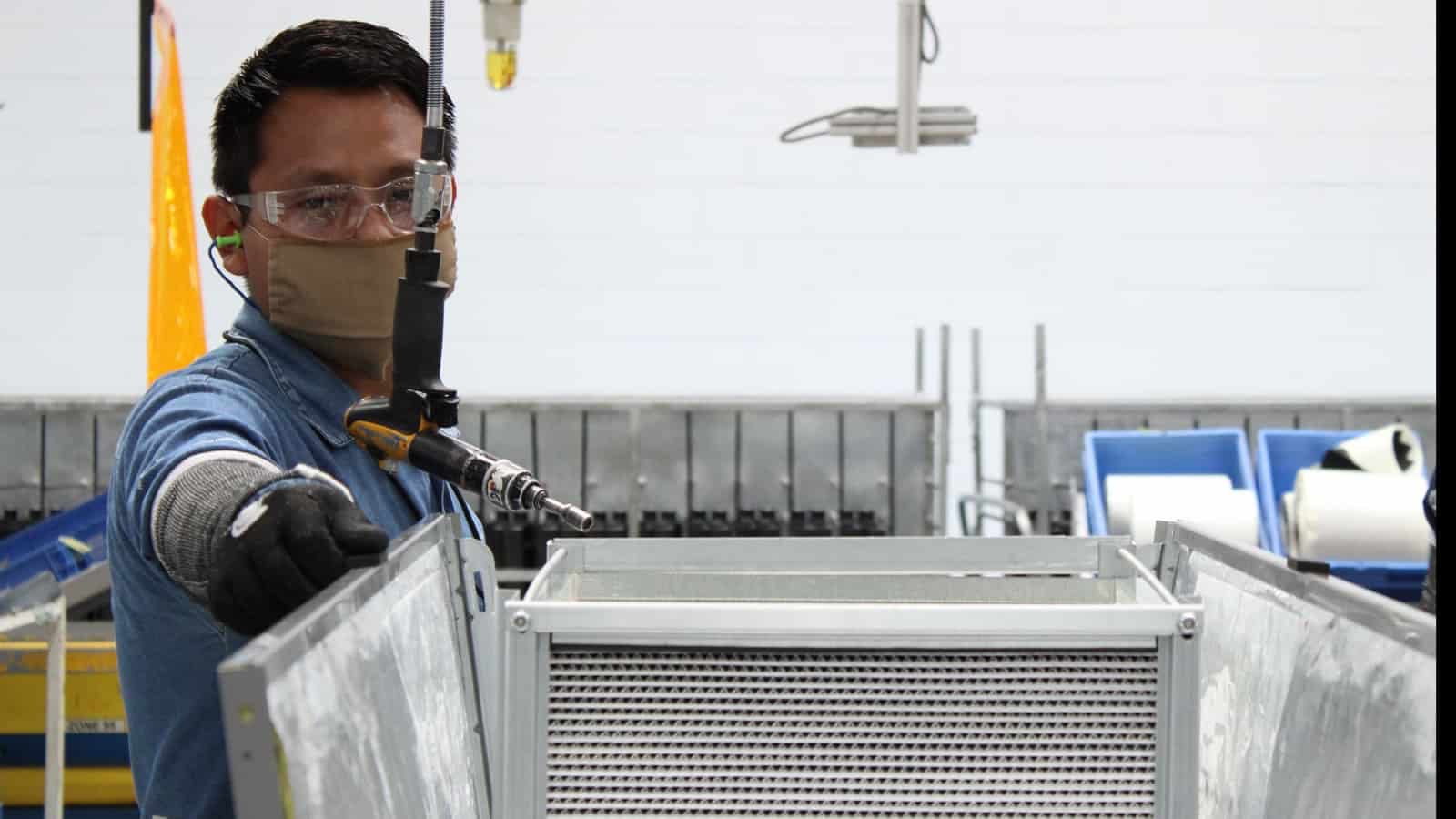
How do you prevent COVID-19 from traveling through hospitals? Powerful air filtration is essential to stopping the spread, but many hospitals only have these systems in certain areas—like isolation rooms. In cities with the worst outbreaks, there are far more patients than rooms with safe air.
Carrier Global Corporation—a Florida manufacturer of heating, ventilation and air conditioning systems, as well as refrigeration and fire and security technologies—used their expertise to help convert normal rooms to air isolation rooms by developing the OptiClean negative air machine.
The specs: Powerful air filtration systems are usually hard-wired, making them impossible to transport. Carrier’s OptiClean device, on the other hand, is unique, featuring:
- A wheeled base, allowing it to be moved to different hospital rooms as needed;
- A cord that plugs into a standard 115-volt outlet, so it can be used in pretty much any room;
- A 100% seal, which keeps unclean air from bypassing the filters—making it as powerful as traditional air filtration systems that are hardwired into isolation rooms; and
- A two-way system that allows it to serve as either 1) a negative pressure machine, drawing in clean air from outside a hospital room while pumping contaminated air into a contained exhaust system, or 2) a “scrubber” in an open-air temporary hospital, by pulling air in, removing contaminants, and sending cleaner air back out.
The timeline: In just two weeks this March, the Carrier team developed a prototype and shipped four models to hospitals across the country for field trials—a process that would ordinarily take up to a year.
The result: Carrier has been producing OptiClean devices since April and has already fulfilled orders for hundreds of units.
What’s next: Carrier is hoping OptiClean devices will be used in homes, businesses, assisted living facilities and elsewhere in future to provide cleaner air and protect vulnerable populations.
Across the country, manufacturers like Carrier are helping people breathe easier.
The MaskForce Comes to the Rescue
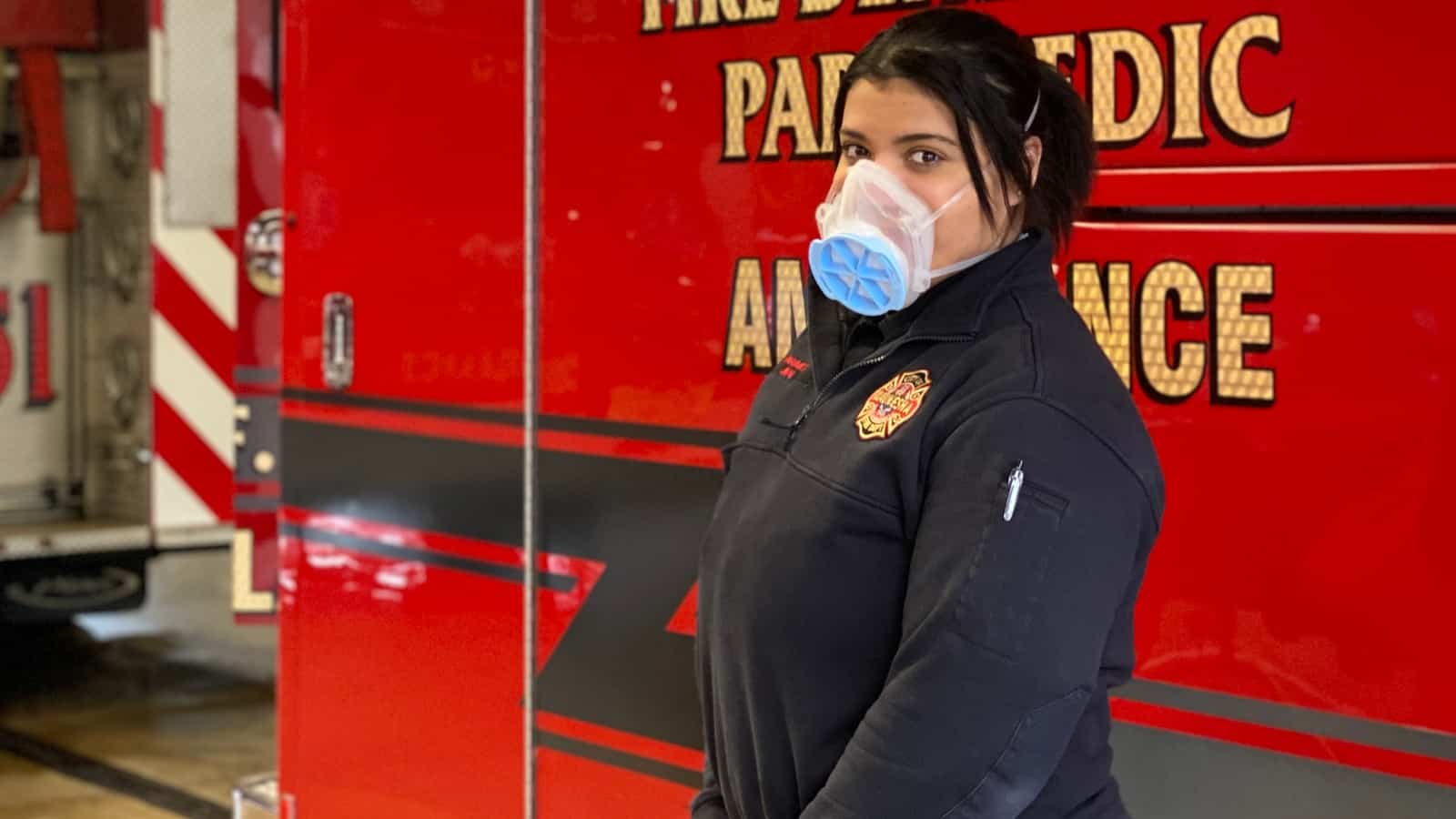
It started on a Saturday morning when a Wisconsin doctor knocked on his neighbors’ doors, asking for mask donations. Four weeks later, dozens of local organizations had collaborated to design a comfortable, reusable, high-performance mask. Now, the “MaskForce” is rolling out its products across the state and in neighboring regions.
Here’s how it happened: One of the doctor’s neighbors happened to be Pat Masterson, vice president of corporate manufacturing at automotive and mobile equipment manufacturer Husco. Masterson soon brought his company’s resources to solving the problem, but they knew they needed more.
- Through word of mouth, the project’s team developed into a 25-member consortium that included local education groups, industrial manufacturers and frontline medical and emergency response personnel.
- After the group hammered out some concepts, Husco led the design of a high-volume, injection-molded prototype using medical-grade materials.
How it works: The MaskForce team tested hundreds of suitable materials before settling on the best design. Features include:
- Comfort: The mask sports a soft, high-performance and low-pressure face seal that enables easy breathing.
- Re-usability: It uses sanitizable and replaceable components.
- Efficiency: It’s made with 60% less filter material than other mask designs—a big difference, as filter media are in high demand.
The numbers: Today, the MaskForce is producing around 1,000 masks per day, with the goal of ramping up daily production to 10,000 or even 100,000+ masks per day. Currently, it has completed 10,000 of its initial 30,000 production run.
Next steps: Husco is now producing the face mask under the FDA Emergency Use Authorization. It is also seeking certification from the National Institute for Occupational Safety and Health, so the mask can be used by multiple industries.
What’s in a name? In case you were wondering, the MaskForce gets its memorable name from a youthful collaborator: Masterson’s 14-year-old daughter.
Husco and the MaskForce team have accomplished in weeks what would typically take months or years to do. It just goes to show—you might be surprised at what can happen when you knock on a neighbor’s door.
A Manufacturing CEO Explains His Pandemic Safety Plan
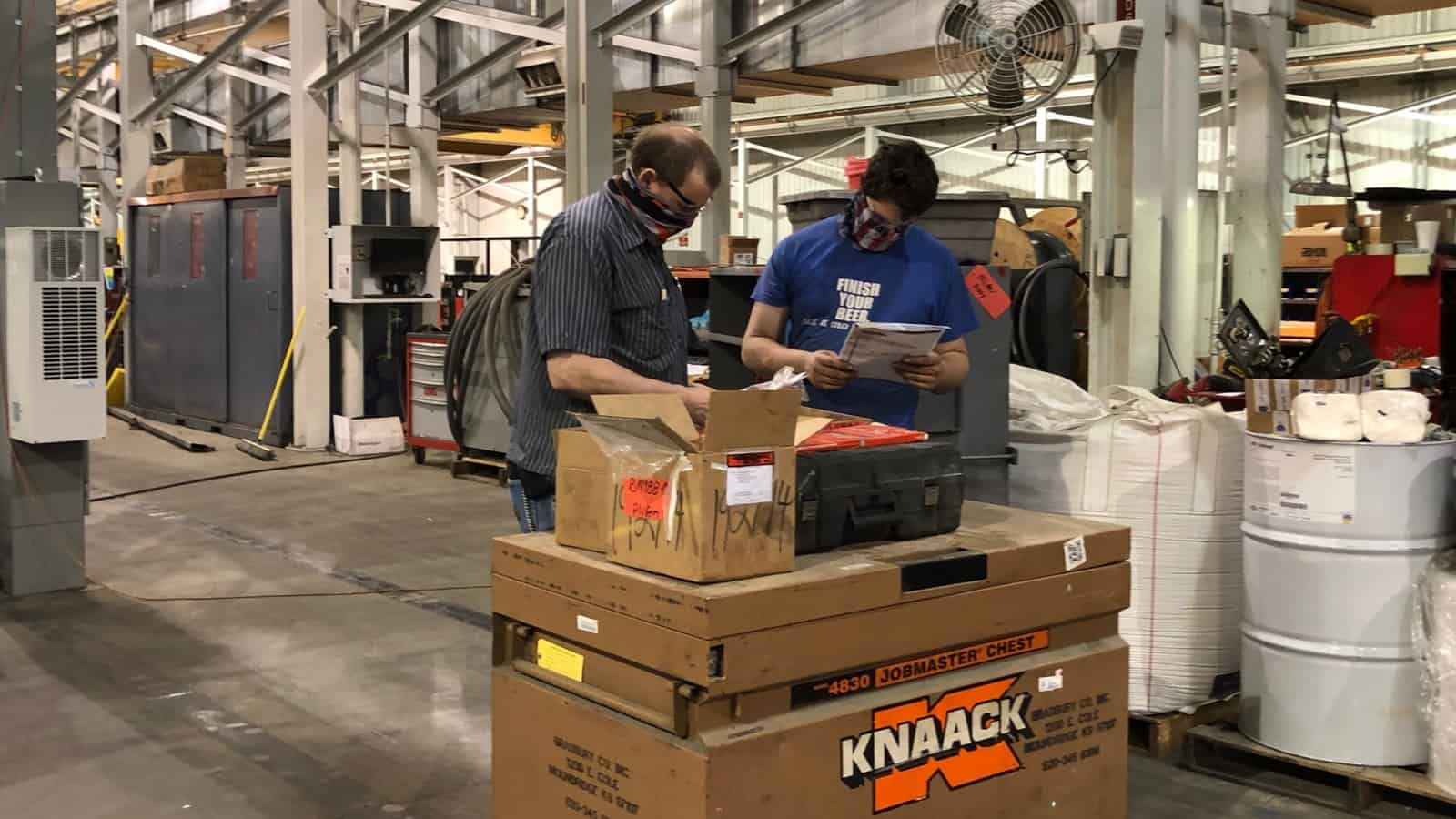
Let’s start with a Styrofoam cup. At one of Bradbury Group’s facilities, an employee pointed out a risk: anyone could touch the cups stacked up in the breakroom, potentially leaving traces of COVID-19. So the company installed a cup dispenser instead.
It sounds small, but this decision exemplifies Bradbury’s thorough approach to employee safety. So does another fact: the metal processing equipment company created a 66-page “pandemic handbook” of safety procedures, which includes a guide to good decision-making, for its facilities worldwide.
As businesses of all sorts reopen, they’re searching for best practices like these. So we recently asked Bradbury CEO David Cox for some advice.
First, a hot topic for employers. Do you use temperature checks at your facilities?
- “No, we felt that having 300 people gathering in close quarters at one entrance would be counterproductive. We did our research, and temperature checks don’t seem to be that effective,” says Cox.
- The company keeps infrared thermometers on hand for any workers who feel ill, he adds.
And what about social distancing? Cox says the company has provided face shields or masks to all employees. They must wear those coverings when standing closer than 6 feet to each other.
How do you get information out? Department managers hold stand-up briefings on Mondays (originally Monday, Wednesday, Friday) to keep workers informed, he says, along with a daily safety briefing. Also important: a weekly email briefing from the CEO covering a variety of important updates. .
- It includes the latest safety procedures, infection rates for the surrounding areas, warnings about the tricks scammers are using to steal stimulus checks and updates on tornado season.
How do you keep people safe on the road?
- “We analyze every stop our employees make. Our health and safety coordinator contacts every vendor on a route to evaluate their safety policies—sharing a copy of our handbook when necessary,” says Cox.
- “If they don’t meet our standards, our people don’t go.”
What about incoming shipments from suppliers?
- “We do the same process in reverse—we find out where those drivers go on their routes. If we don’t like what we hear, we have the driver stay in the truck while our employees unload.”
This is how seriously Bradbury takes those restrictions:
- “We kept one routine vendor away for the whole month of April due to an outbreak in their county. We didn’t even want their vehicles in our parking lot, given the anxiety that would create for our employees.”
Let’s move on to cleaning. What are your procedures?
- “We have several dedicated workers walk through the facility to sanitize hard-surface touchpoints, multiple times a shift.”
- “Workers have chlorine spray bottles and wipes for their keyboard and screens, and for any parts they pass from workstation to workstation.”
Meanwhile, Bradbury’s health and safety coordinator, Tasha Schmeidler, is an EMT, which comes in handy.
- She oversees symptom tracking and contact tracing and has full authority to quarantine any workers who may be sick or exposed–with pay if they were exposed on the job.
Lastly, how have your workers improved your protocols?
- “The extra cleaning solution on tables and stations—that was an employee suggestion. They even thought of putting wipes on the inventory pickers, so they could clean items as they took things down,” says Cox. (And, of course, there’s the Styrofoam cups.)
These precautions don’t just keep workers physically safe, but also make them feel comfortable coming to work and confident in their management. As businesses of all sorts reopen, manufacturers like Bradbury are showing them how.
Related: Don’t forget to check out this collection of operational and safety practices, recently released by the NAM’s Manufacturing Leadership Council.
How One Manufacturer Is Helping Doctors Breathe Easier
At several facilities in Arizona, health care providers are wearing camouflage-patterned gowns. It sounds too good to be true, but it is: manufacturer W. L. Gore & Associates donated its fabric laminate—normally used in protective outerwear for the military and others—to be sewn into gowns by local apparel manufacturers. In total, Gore’s materials will be used to make 40,000 gowns nationwide, though only a fraction will be patterned.
And that’s only the start. Gore, a maker of everything from medical devices to fabrics to cables and more, is producing a variety of PPE products, including a few new inventions. Here’s a look at how much a single manufacturer is doing during the COVID-19 crisis.
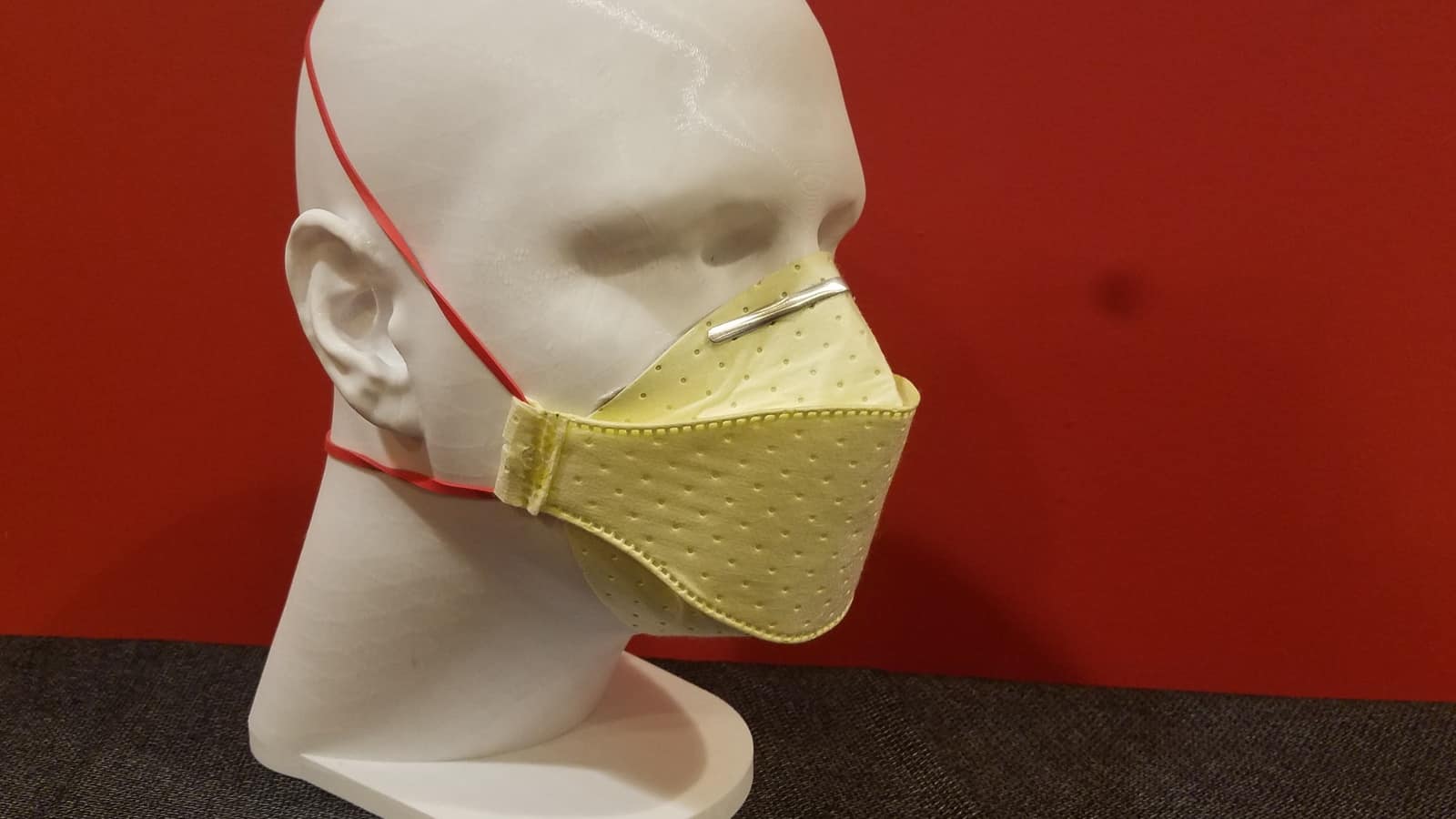
Respirator covers: In less than a week, Gore developed a prototype for a cover that can prolong the use and reuse of N95 respirators.
- An accordion-folded piece of filtration material, with holes punched at either end, the cover is easy to make yet powerful.
- It’s made of proprietary ePTFE filtration laminate, which protects against 99% of aerosolized particles, and can be decontaminated for reuse.
Thousands of covers have been produced so far, and they’re already in use at health care centers across the country.
Respirator cartridges: The company also developed cartridges that can be incorporated into respirators, hoods and ventilators. These work with a variety of designs, whether produced by 3D printing or injection molding.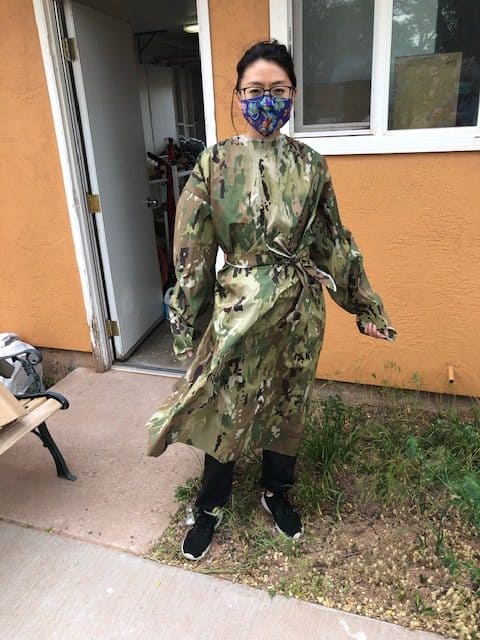
N95 respirators: Gore is collaborating with other manufacturers to produce respirators, which remain in high demand.
- Multiple manufacturers have developed prototypes with Gore’s filtration materials, which keep out more than 95% of particles at 0.07 microns in size. Currently, all these partners are in the process of obtaining emergency use authorization from the FDA.
And here’s a great number: the company plans to donate enough material to make about 1.5 million N95 respirators.
Engineering services: Gore is providing engineering and prototyping support to hospitals that need new designs or components.
- The company recently made components for face shields, donating 1,000 shields to local providers.
That’s a lot for one company, and there’s more in the pipeline. Manufacturers like Gore prove that the industry is finding as many ways as possible to be of service.